Last updated November 23, 2026
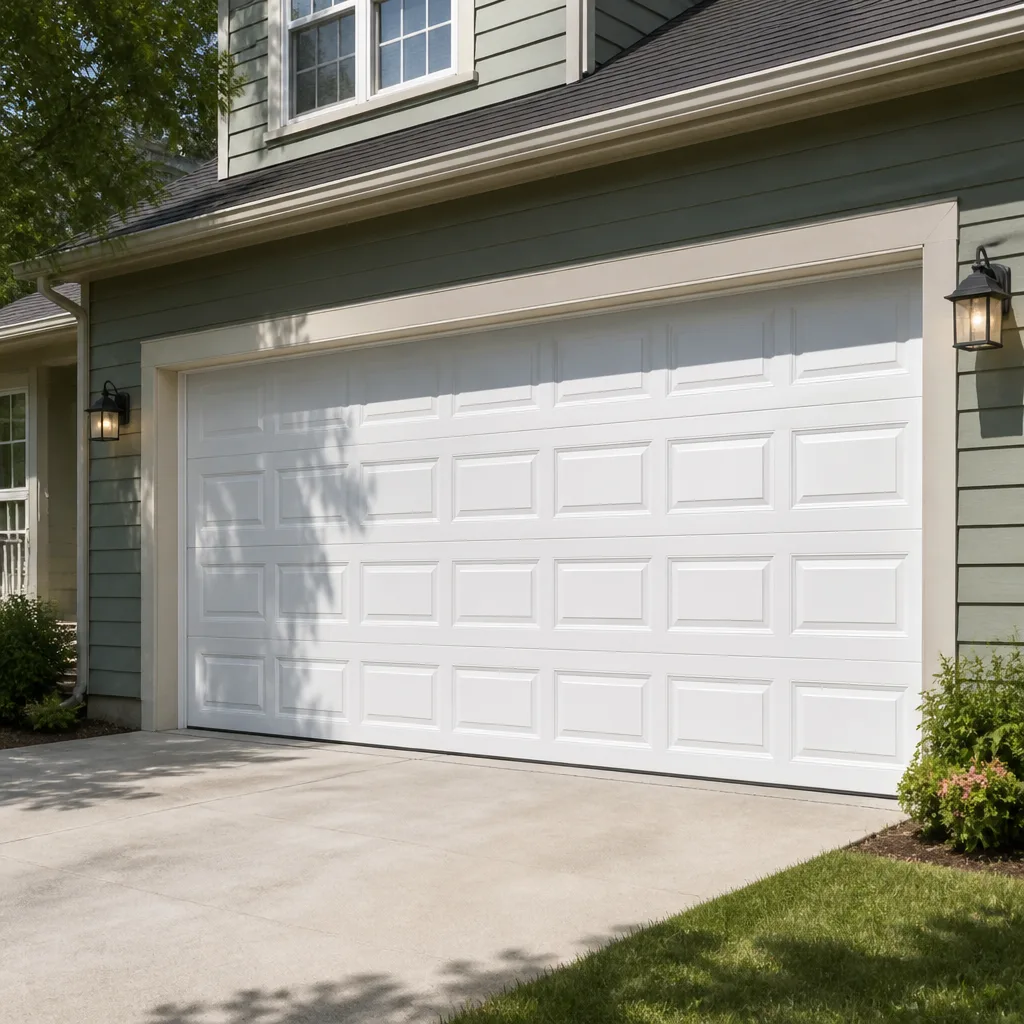 Raised-panel steel
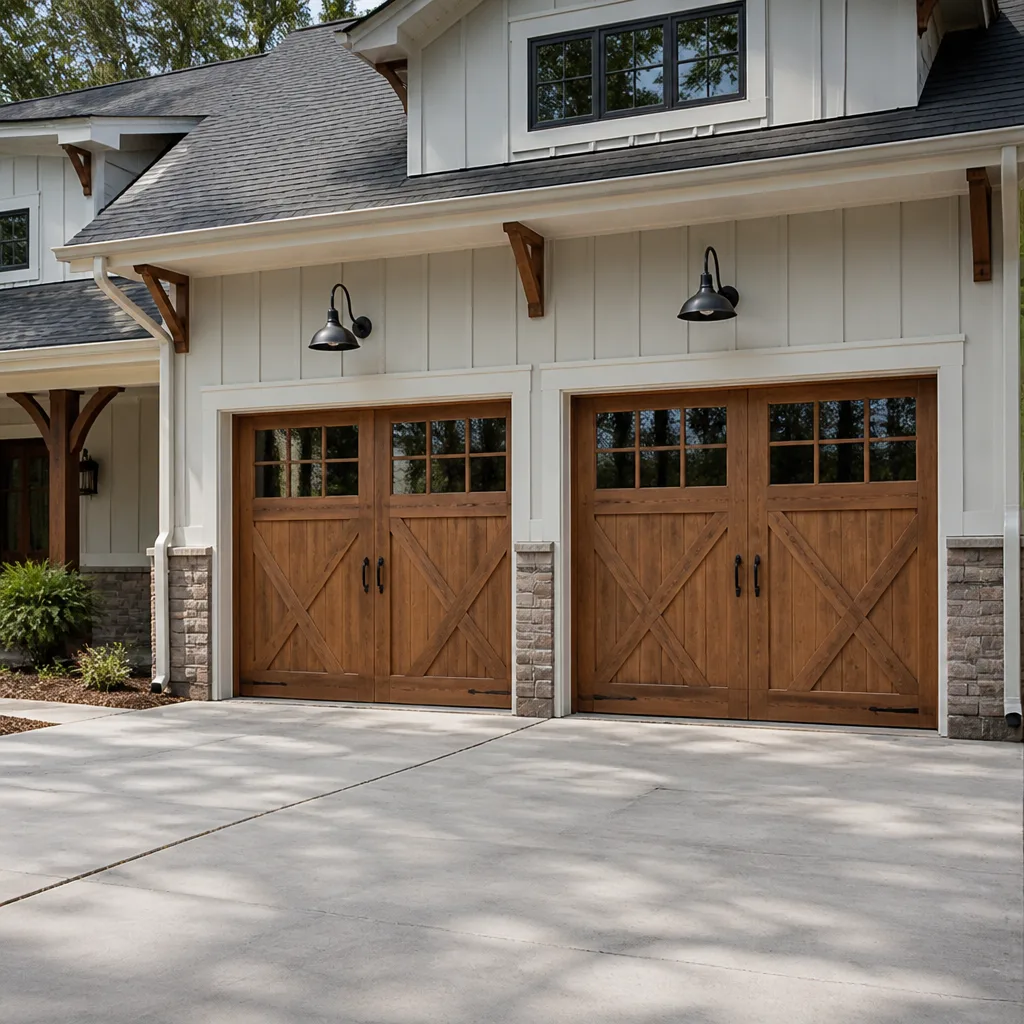 Carriage house
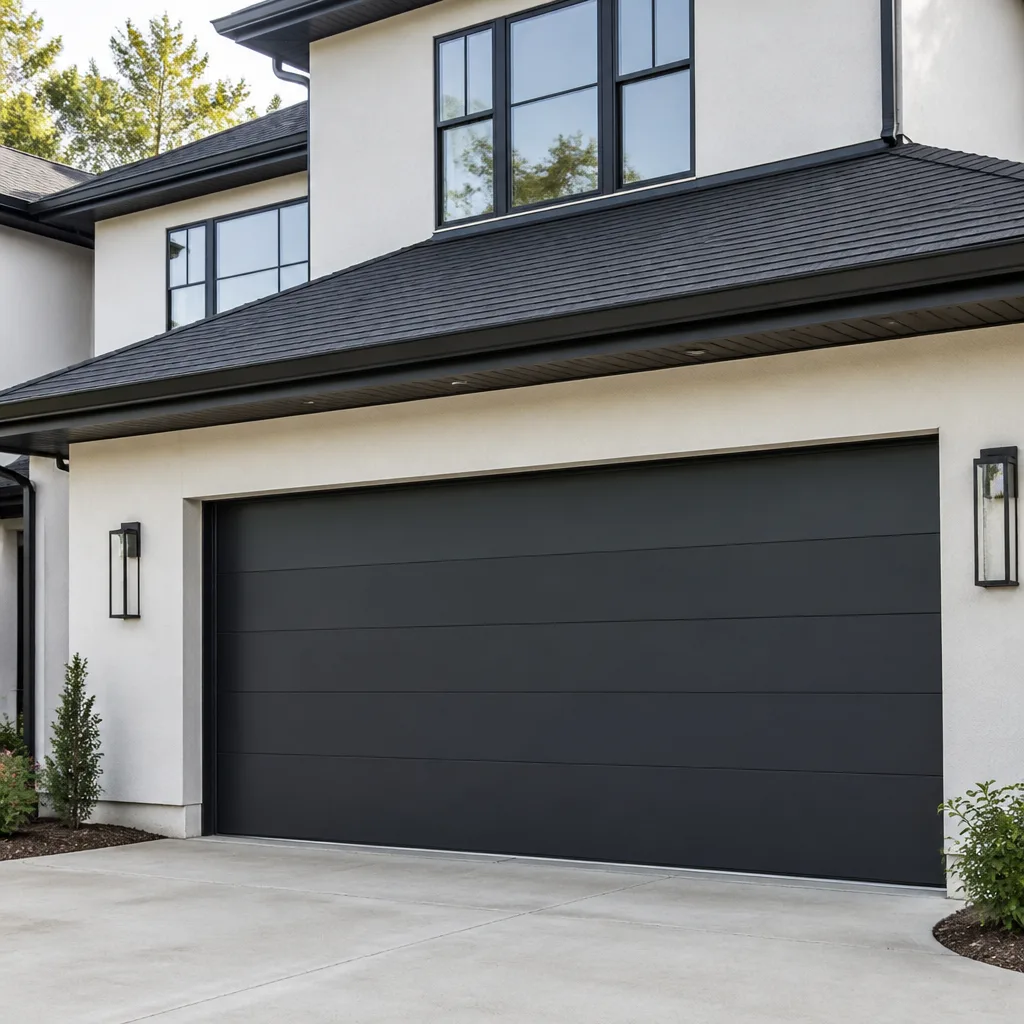 Modern flush
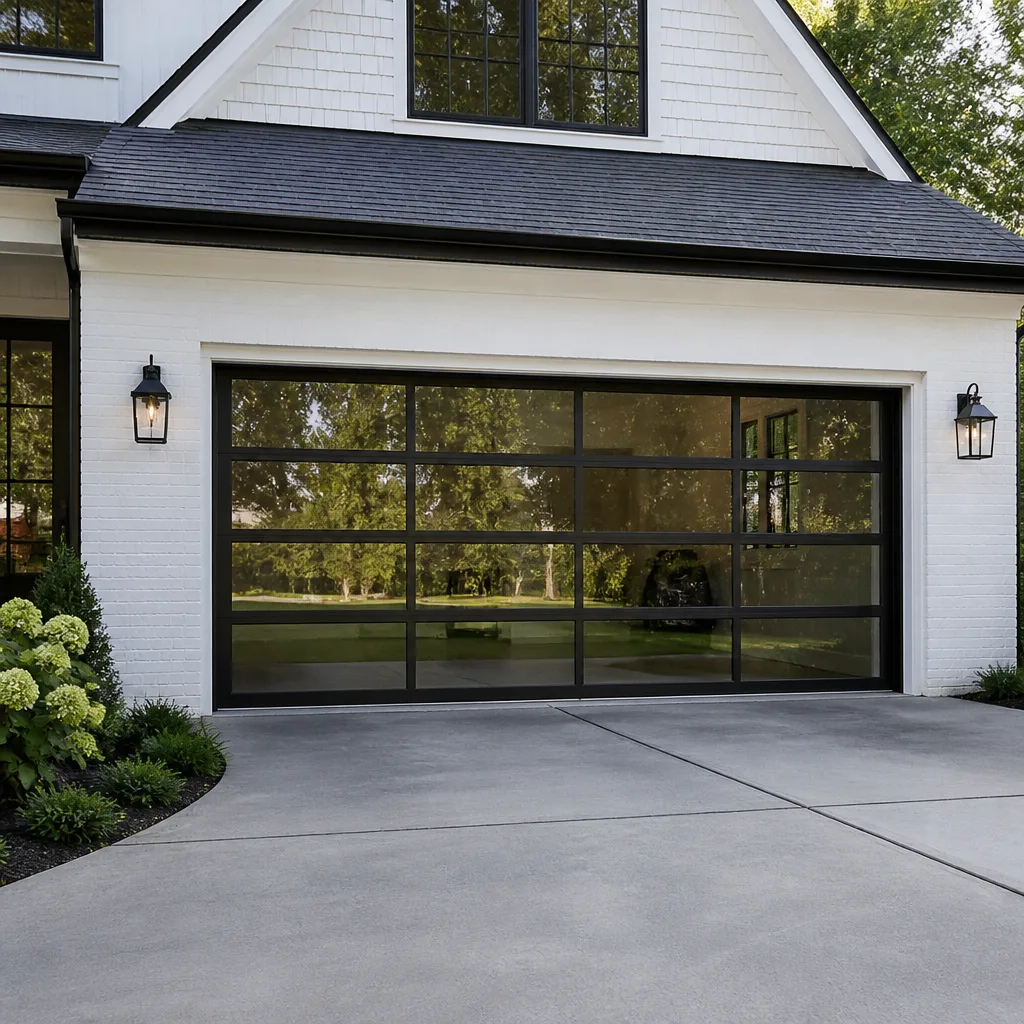 Full-view glass
 LiftMaster openers
 Chamberlain openers
Full 25-point door and opener safety check with every visit - springs, cables, rollers, tracks, and your LiftMaster or Chamberlain opener included
You get a price before we start. It does not change when the pro arrives.
Get your free estimateGarage Door Permits, Codes & Inspections in Toms River, NJ: What You Need to Know
Here’s the part that surprises most homeowners: the garage door itself is almost never what triggers a permit in Toms River. What triggers the permit is everything around it. Swap a dented panel for a matching one and you’re likely in the clear. Widen the opening by a foot, run new electric to a wall where none existed, or hang a door on a frame that was never inspected, and you’ve stepped into a process most people don’t know exists until a code officer or a title company asks about it. We walk Toms River homeowners through this decision tree constantly, and the confusion is real. This guide lays out how New Jersey’s construction code applies to garage door work, how the Toms River Township process actually runs, and where “like-for-like” stops being a free pass.
Quick Answer
In Toms River, a straight like-for-like garage door replacement on an existing, inspected opening usually does not require a building permit. You do need a permit when the job changes the opening size, adds or alters electrical work for an opener, involves new framing or a new structure, or brings a previously unpermitted door into compliance. When in doubt, call the Toms River Township building department before ordering a door – a two-minute phone call saves months of headaches.
Styles & brands we work with
- Raised-panel steel
- Carriage house
- Modern flush
- Full-view glass
- LiftMaster openers
- Chamberlain openers
Table of Contents
- The NJ UCC threshold: when a garage door job needs a permit
- How the Toms River permit process actually works
- What “like-for-like replacement” really means
- Wind-load rules and how they shape door specs here
- What a garage door inspection actually covers
- How unpermitted garage work surfaces later
- Common mistakes to avoid
- When to call a professional
The NJ UCC Threshold: When a Garage Door Job Needs a Permit
New Jersey regulates residential construction through the Uniform Construction Code, usually just called the UCC. It’s administered at the municipal level, which means Toms River Township runs its own construction office and issues its own permits. The UCC treats a garage door as a component of the building envelope. Replacing a component in kind is generally treated as ordinary maintenance. Altering the envelope is construction.
Here’s the rough decision tree we walk customers through:
- Same size, same location, same opening: Typically no permit. You’re replacing a door in an existing, code-compliant opening. This covers the vast majority of replacements.
- Different door size in the same opening: Often no permit, but check first. If the new door requires new track brackets, new spring anchoring, or a change to the header connection, the building department may want to see it.
- Enlarged or new opening: Permit required. You’re cutting into the wall, altering the header, and changing the structural load path – even on a garage wall.
- New electrical work for an opener: Permit required for the electrical portion. This includes running a new circuit, adding an outlet where there wasn’t one, or hardwiring a new opener on a dedicated circuit.
- New attached or detached garage structure: Full building permit, which includes the door. The door spec is part of the permit set.
- Pre-existing unpermitted work: This is the one that catches people. Bringing it into compliance requires a permit and inspection – sometimes retroactively.
The key word throughout is “alter.” If you’re altering the structure around the door or adding systems that weren’t there, you’ve crossed the line. If you’re simply refreshing a part that’s already been through inspection, you’re probably fine.
How the Toms River Permit Process Actually Works
Toms River Township issues residential permits through its construction office. You file an application describing the scope of work, the door specification, and any structural or electrical changes involved. The office reviews it, sometimes routes it to the zoning officer if the work touches lot coverage or setbacks, and issues the permit if everything checks out.
Practical steps:
- Call before you order. Toms River’s construction office staff will tell you, based on your address and scope, whether the job needs a permit. Describe the work in plain language – “I want to replace a nine-foot door with a nine-foot door” versus “I want to widen a nine-foot opening to twelve feet.”
- Have your door specification ready. For a replacement that needs a permit, the door’s design pressure rating, wind-load rating, and installation instructions are usually part of the submittal. Manufacturers like Clopay and Amarr publish these for every model.
- File the application. Plans and the manufacturer’s spec sheet typically go with it. Turnaround varies with the office’s queue and the complexity of the job – simple residential replacement applications usually move faster than structural alterations.
- Get the inspections. A permitted garage door job usually involves an inspection after rough-in (framing and electrical, if applicable) and a final inspection after installation. The inspector checks the opening, the door’s attachment, the headroom, and any electrical work.
- Close the permit. Do not skip this. An open permit sits on the property record and will surface the moment a buyer’s attorney pulls the file.
Every Toms River job we’ve walked through the process on has gone smoothly when the paperwork matched the actual scope. Problems tend to start when somebody describes the work as a simple replacement and then installs something structurally different.
What “Like-for-Like Replacement” Really Means
“Like-for-like” is the phrase most homeowners use to conclude they don’t need a permit. It’s mostly right – and legally, it’s narrower than people think.
The practical definition: you are replacing a door of the same approximate dimensions, in the same opening, on the same structure, with a door of comparable wind-load characteristics, without touching the framing, electrical, or attachment method in any material way. The new door has to fit the existing opening without modification to the opening itself.
Where the definition has practical limits:
- Door weight changes. A steel door replaced by a substantially heavier carriage-style door can require different springs, drums, and mounting hardware. Some building departments treat this as an alteration. Always verify.
- Wind-load rating downgrade. If you remove a rated door and install an unrated one, you’ve weakened the envelope. Toms River’s construction office cares about this, especially for homes near the water.
- Track and anchor changes. Bolting new track into a different part of the wall or header is a structural attachment. If the new anchor pattern differs, it may need review.
- Opener upgrade. Swapping a chain-drive Genie for a smart LiftMaster on existing wiring is usually fine. Adding a battery backup or a new circuit is a separate electrical sign-off.
- Safety devices. New doors must have photoelectric safety eyes near the floor and a reversing control. That’s required regardless of permit status.
Homeowners in neighborhoods like Silverton and Toms River’s East Dover section – where lots are often tight and additions have been built onto older homes – run into this more than they expect. A 20-year-old opening may already have structural quirks that make a simple swap more complicated on paper.
Wind-Load Rules and How They Shape Door Specs in Toms River
New Jersey’s residential construction code includes wind-load requirements that apply across the state and tighten for homes in designated wind zones. Toms River’s location means that many properties need doors rated to withstand specific design pressures. That rating is stamped on the door’s specification sheet by the manufacturer, and it’s how the building department verifies that the garage door isn’t the weak point in the envelope.
What matters in practice:
- Design pressure rating. Every residential door from a major manufacturer – Clopay, Amarr, Wayne Dalton, and the rest – carries a design pressure rating expressed in pounds per square foot. Sizing the door to the home’s wind exposure is what makes the rating meaningful.
- Reinforcement. Rated doors often include heavier struts, thicker gauge steel, or proprietary reinforcement brackets. A standard door forced into a rated opening can fail the inspection.
- Opener and door compatibility. If the door is upgraded to a heavier rated unit, the opener needs to match. A LiftMaster rated for a 7-foot door with a specific weight limit will not properly counterbalance a heavier rated door without adjustment or replacement.
- Documentation. The design pressure rating and the manufacturer’s installation instructions should be kept with the permit file. Insurance claims and future sales often ask for them.
When we quote a replacement in Toms River, we look at the home’s construction year, wall type, and the door opening’s structural situation before recommending a model. A door that passes wind-load for a home in a protected interior lot may not be right for one facing an open stretch of Pine Beach Boulevard or Route 37 East. That’s the kind of check that separates a proper replacement from a code problem waiting for the next inspection.
What a Garage Door Inspection Actually Covers
When a permit is filed and an inspection is scheduled, the inspector is looking at the relationship between the door and the building – not grading the door’s brand or finish. Depending on whether you’re in Lakewood or just across the river, the specific requirements can vary slightly, but the inspection checklist is generally consistent.
The inspector typically reviews:
- Opening dimensions and framing. Does the opening match the approved plans? Is the header sound?
- Attachment. Are the tracks, brackets, and spring anchor plate properly anchored to structural members? Bolts in drywall don’t count.
- Headroom and backroom. Is there enough clearance for the door to travel without hitting obstructions?
- Wind-load rating. Does the installed door match the rated door on the permit? Is the manufacturer’s documentation on site?
- Electrical. If a new opener circuit is being added, the inspector checks the outlet location, circuit protection, and wiring method.
- Safety devices. Photoelectric sensors at the floor and reverse-on-contact systems, both of which are required by New Jersey code for new installations.
- Balancing. Does the door move smoothly by hand and stay in place when partially open? Unbalanced springs or improper tension fail inspection and are dangerous.
If a single item fails, the inspector writes a correction notice. You fix it, schedule a re-inspection, and the permit closes. The process is straightforward when the installer handled the original work correctly. It becomes a headache when a previous homeowner installed the door themselves and the inspection finds multiple issues.
How Unpermitted Garage Work Surfaces Later
This is the section most Toms River homeowners wish they’d read before they bought the house. Unpermitted garage door work can sit quietly for years and then show up at the worst possible moment.
The three trigger points:
- Refinance and appraisal. Lenders pull permit history. If the appraisal flags a garage that doesn’t match the property record, the loan can be delayed until it’s resolved. Sometimes the fix is a permit and inspection; sometimes it’s a letter from the building department confirming no permit was required.
- Home sale and title search. Buyers’ attorneys pull open permits as a matter of routine. An unpermitted enclosure, converted garage, or structurally altered opening becomes a negotiation point or a blocker. A seller can lose weeks – or a sale – closing out an old issue.
- Future renovation permits. When you file for a new deck, addition, or re-roof, the Toms River building department reviews the entire property record. Existing unpermitted work sometimes gets flagged as outside the scope of the new permit, which means the new permit stalls until the old issue is addressed.
Insurance claims can bring the topic up too, particularly if a garage door failure is part of a storm claim. Adjusters review whether the door was installed per code. If it wasn’t rated for the wind load it should have been, the claim can be contested on the grounds that the installation wasn’t compliant in the first place. That’s not a bill you want to argue with an adjuster mid-claim.
If you’re buying a Toms River home with an older garage door, ask the seller for the permit file. If they don’t have one, call the construction office before closing. It’s a 15-minute check that saves months later.
Common Mistakes to Avoid
- Assuming all garage door work is permit-free. The door swap itself often is. Widening an opening, adding an opener circuit, or framing a new opening is not. Two assumptions in one direction, and you’ve got an open issue on the property record.
- Ordering a door before checking the opening. A door sized off a tape measure that ignored a bowed header or an off-center opening is a self-inflicted delay. Confirm the opening first, order second.
- Hiring a generalist for a structural change. Handymen can usually swap a door panel. They usually can’t properly address a framing or header change that affects the permit. That work needs a contractor licensed for the scope.
- Ignoring the wind-load rating on the replacement door. A door that doesn’t match the home’s required rating can fail inspection and leave you with a door that doesn’t meet code. Verify the rating before installation, not after.
- Leaving a permit open. An open permit is worse than no permit on some transactions because it signals unfinished work. Close it out as soon as the final inspection passes.
- Skipping the safety sensors. Photoelectric sensors and reverse-on-contact are non-negotiable for new doors under New Jersey code. Adding them later is cheap; the injuries they prevent are not.
- Trusting a verbal seller’s assurance about past work. “Oh, the previous owner handled it” is not documentation. Pull the file from the Toms River construction office before you buy.
When to Call a Professional
Some garage door jobs are safe for a skilled DIY homeowner: adding a safety sensor, changing a remote battery, or adjusting the opener’s travel limits. Everything structural or spring-related is a different story. Those high-tension torsion springs above the door store enough force to seriously injure someone who loosens the wrong bolt – and the wrong move happens in an instant. Same goes for opening a new electrical circuit, altering the wall structure, or hanging a heavier rated door on an existing opening. In our experience, the jobs that turn into permit complications almost always started as a homeowner attempt at a routine swap that turned out bigger than expected.
If you’re not sure whether your project needs a permit, we can tell you before we quote the work. Toms River Garage Door Repair Pros offers free estimates in Toms River – call (855) 726-7559. We’ll also point you to the right Toms River Township office to confirm, and if the job does need a permit, we’ll walk through the paperwork with you rather than leave you to figure it out.
See the difference
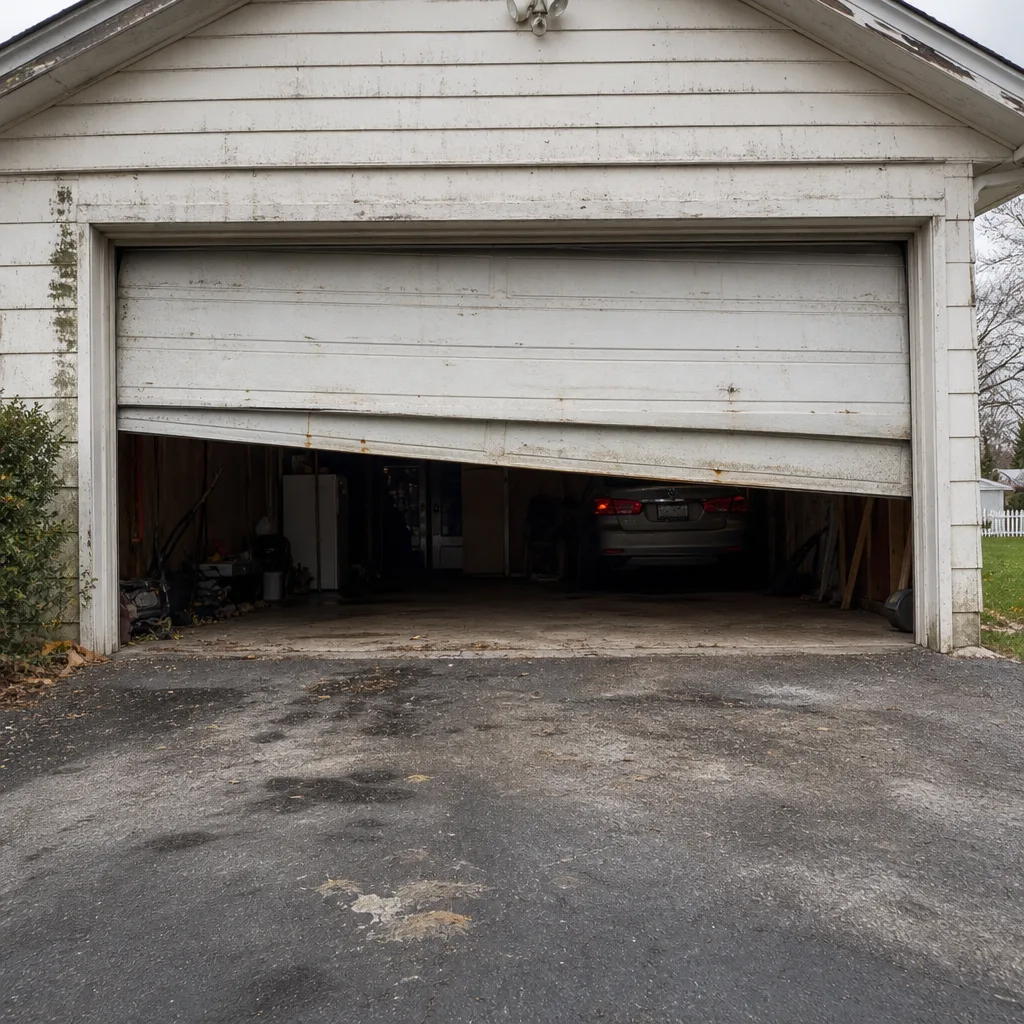 Before
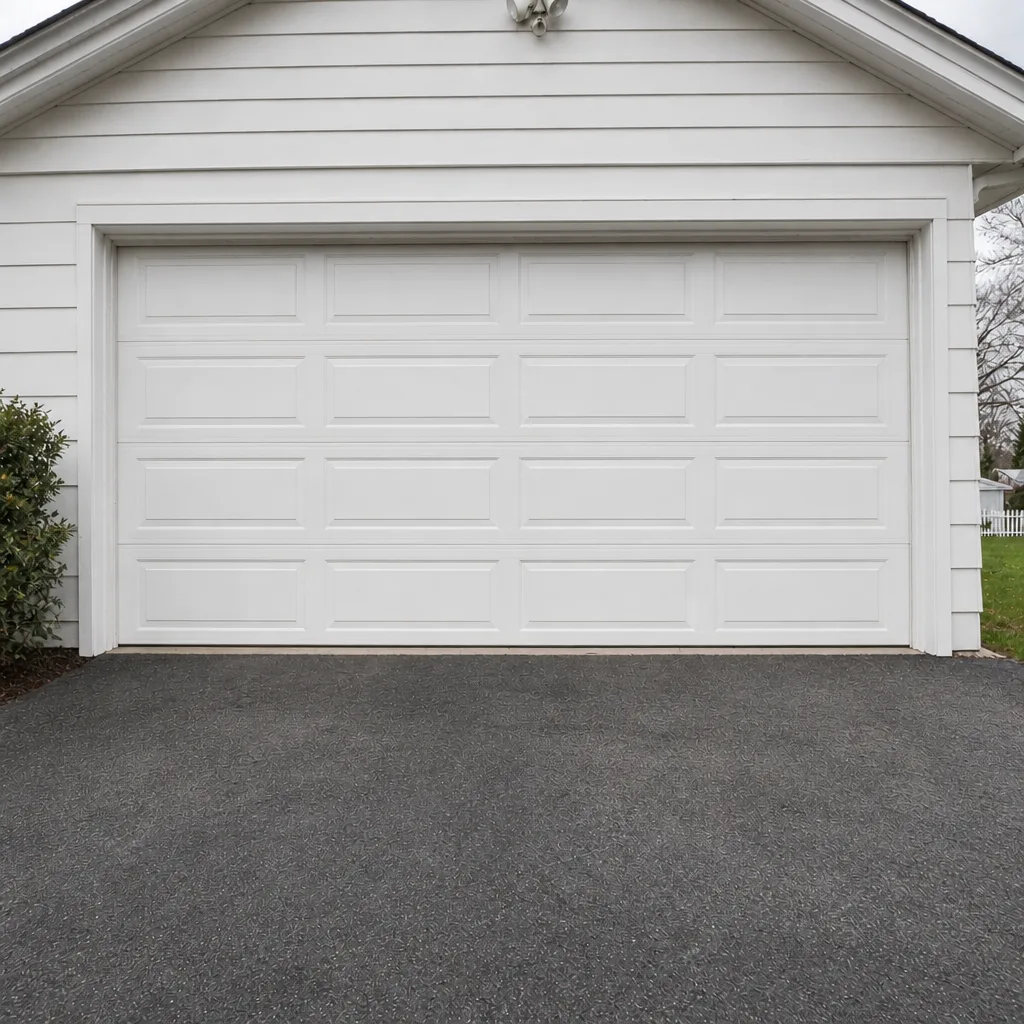 After
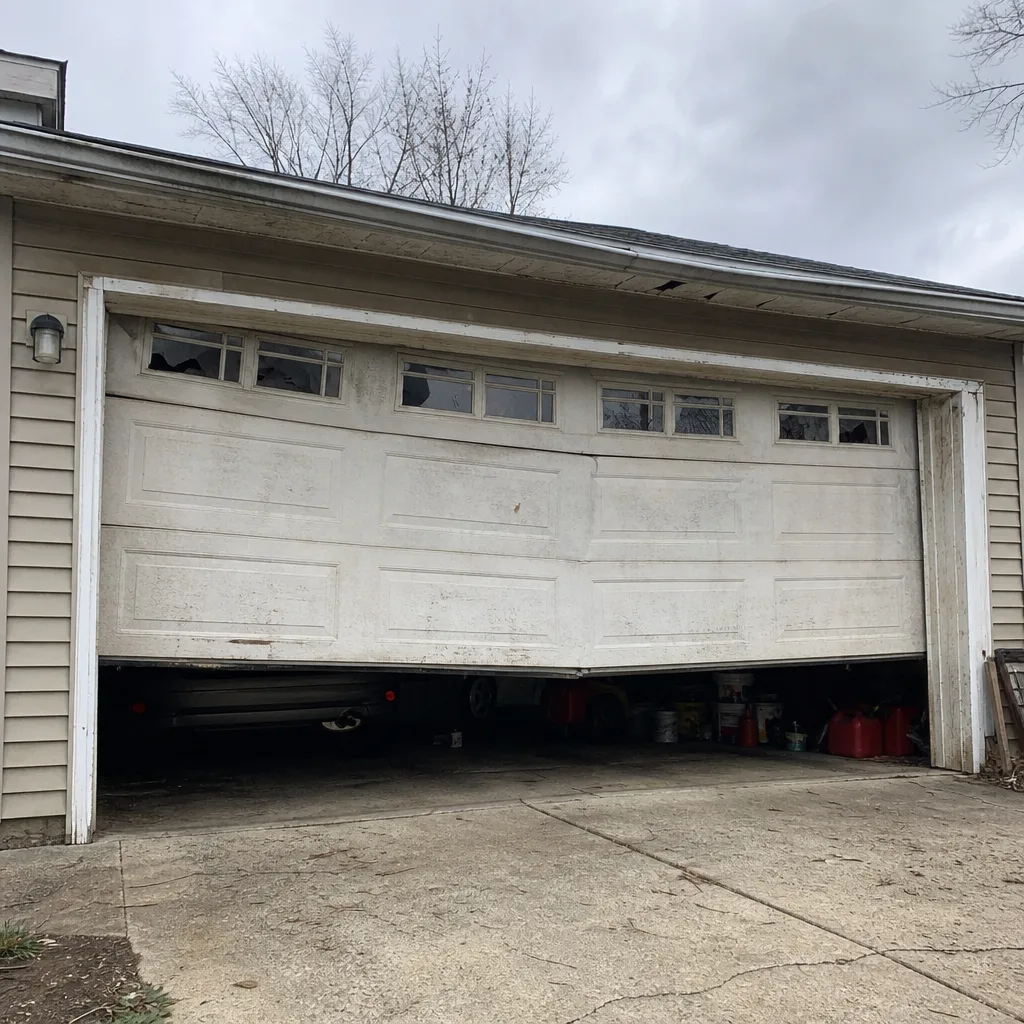 Before
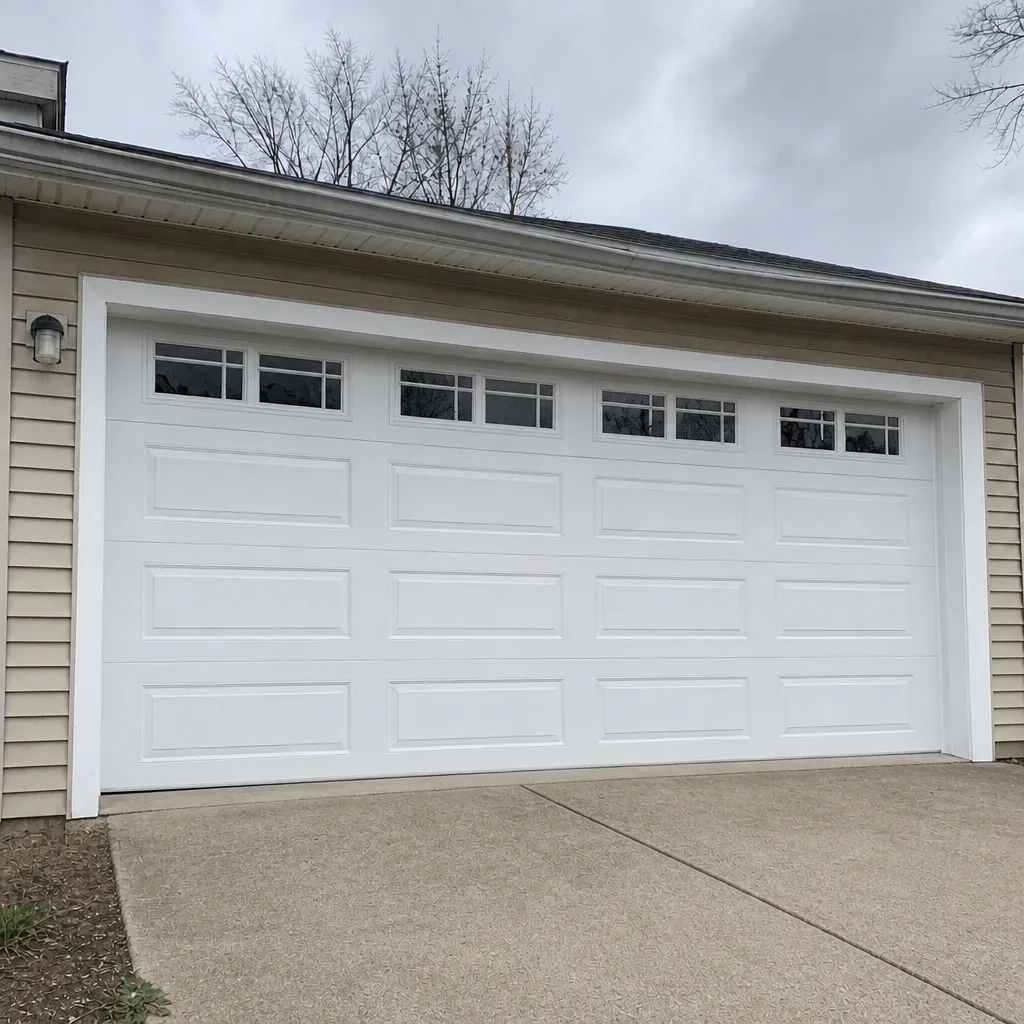 After
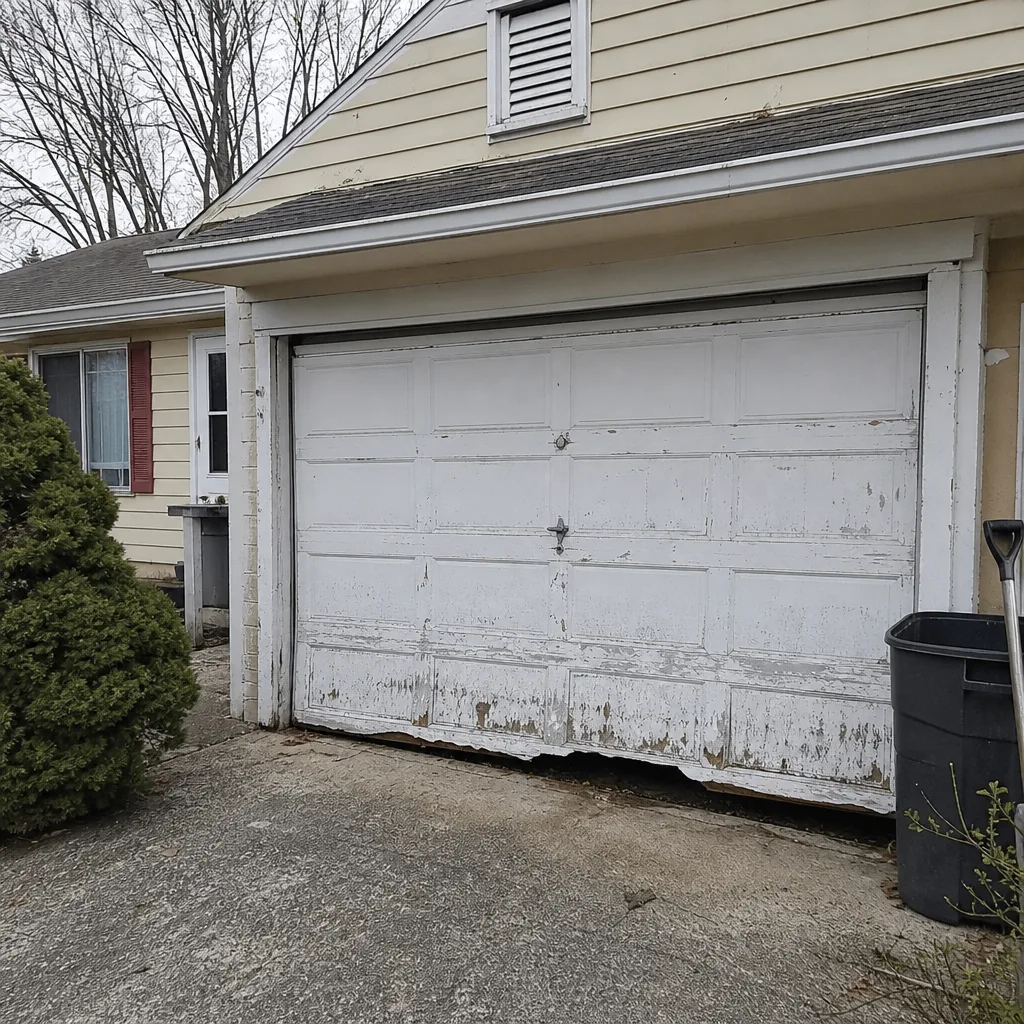 Before
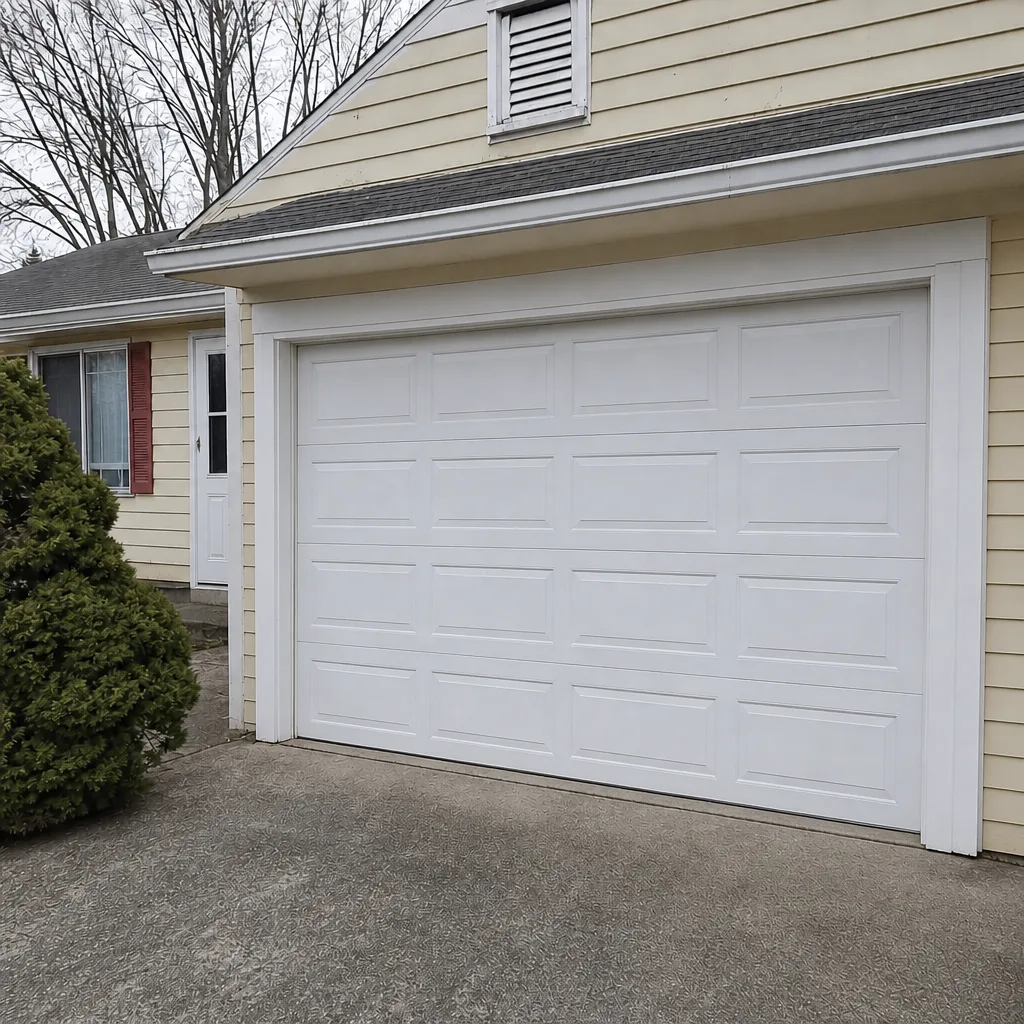 After
Frequently Asked Questions
Usually no, if the replacement is truly like-for-like – same size opening, same wall, same structure. A permit is required if you change the opening size, add new electrical work, install on a new structure, or bring previously unpermitted work into compliance. Call the Toms River Township construction office with your specific scope to confirm before ordering. If you’re unsure, call (855) 726-7559 and we’ll help you figure out which side of the line your job sits on.
The Uniform Construction Code is New Jersey’s statewide building code, administered locally by each town’s construction office. It treats a garage door as part of the building envelope. Replacing an envelope component in kind is usually ordinary maintenance; altering the envelope – size, framing, electrical, or structural attachment – requires a permit. Toms River enforces the UCC through its own construction office, so the process questions go there.
Turnaround varies with the office’s workload and the complexity of the job. Simple residential replacements with straightforward specs typically move faster than structural alterations that need a plan review. Filing complete paperwork the first time is the biggest thing you can do to speed things up. Ask the construction office for the current expected timeline when you file.
Yes, it can. Open or missing permits often surface during the buyer’s title search, and an unpermitted change to the garage can become a negotiation point or delay closing while it’s resolved. Resolving it usually means filing for a permit retroactively and passing an inspection, or getting a letter from the building department confirming no permit was required. Either way, it’s easier to handle before the sale than during it.
New installations must include photoelectric safety sensors near the floor and a reverse-on-contact system at the opener. Both are required under the state code for new doors, regardless of whether the job required a permit. If your existing door lacks them, adding them is usually straightforward and worth doing on its own – call (855) 726-7559 for a free estimate on adding them.
Yes, for homes in designated wind zones. A replacement door should carry a design pressure rating that meets the home’s exposure, and the manufacturer’s documentation should be part of the permit file. Installing an unrated door in a rated opening can fail inspection and complicate a future insurance claim. If you’re not sure what rating your opening requires, check with the construction office or ask us when we quote.
The Bottom Line
Most Toms River garage door replacements don’t need a permit – but the jobs that do are exactly the ones homeowners assume are simple. Changing the opening size, adding electrical, installing on a new structure, or remediating old unpermitted work all trigger the process. The wind-load rating on the door is part of the paperwork and worth confirming before ordering. And an unrecognized permit problem can sit quietly on a property record until a refinance, a sale, or a new renovation brings it into the open. The right move is simple: check the scope with the construction office before you order, keep the documentation, and close out any permit you open. If your project turns out to need a specialist, we’re one call away at (855) 726-7559.
If your door is failing, not just aging, we also handle garage door repair for the full range of mechanical problems. For opener issues that may need a new circuit, our garage door opener repair team can advise on the electrical side. And for the highest-stakes job in the trade, see our guide to garage door spring repair. For everything else, start at Toms River Garage Door Repair Pros.
Written by the team at Toms River Garage Door Repair Pros.