Last updated November 23, 2026
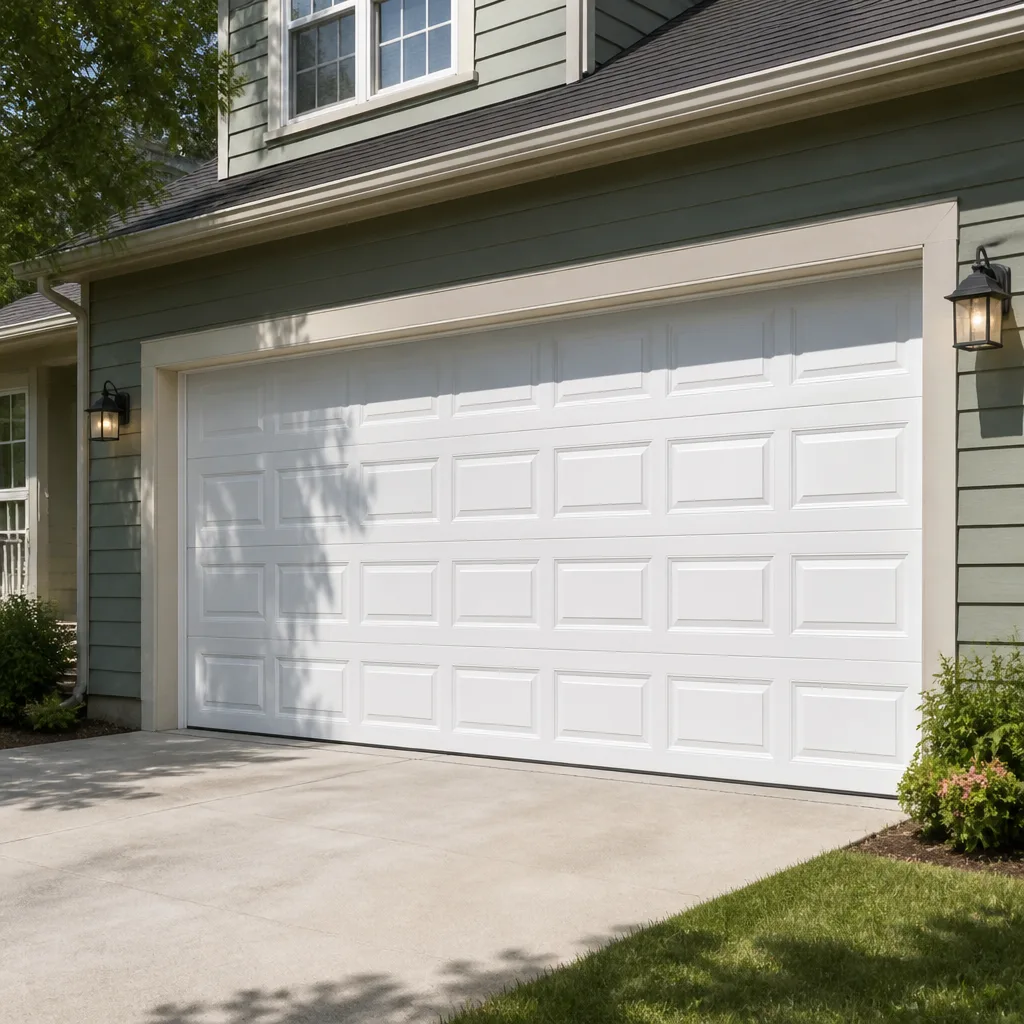 Raised-panel steel
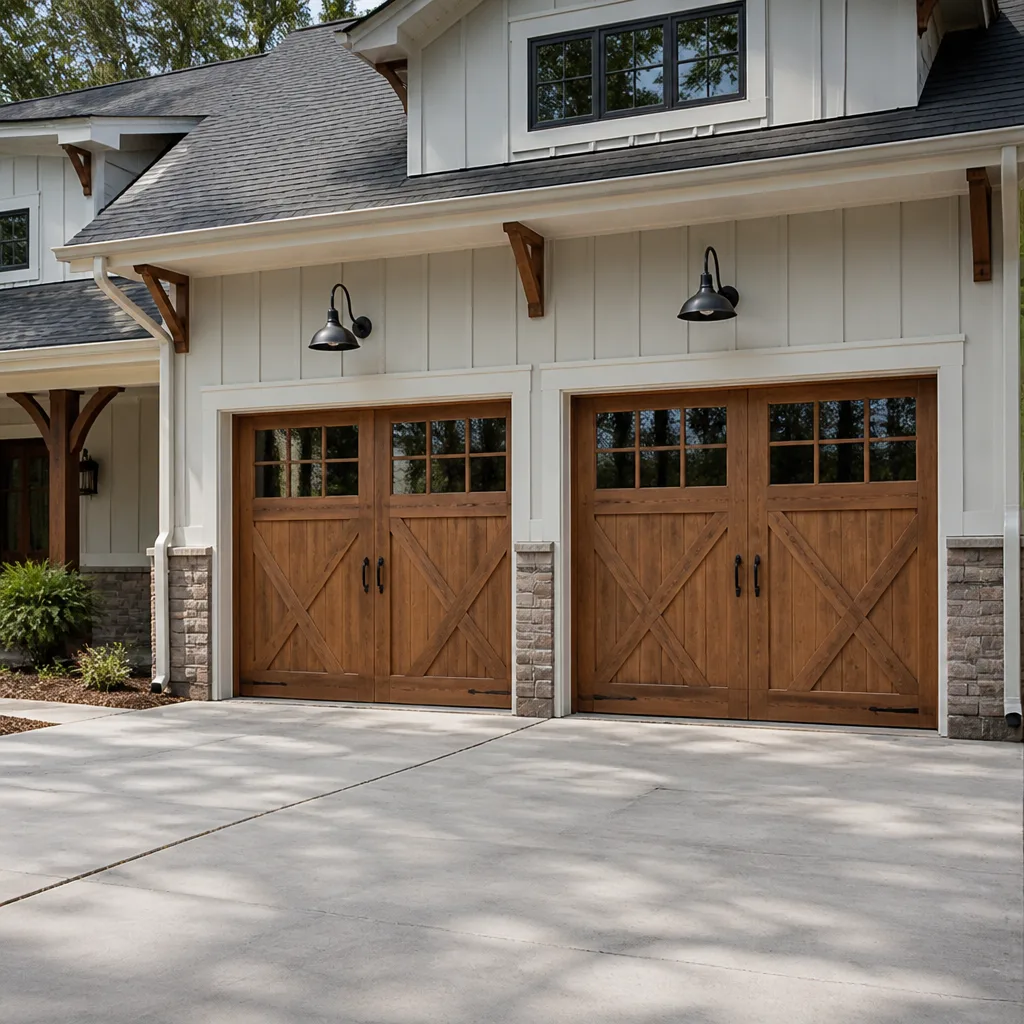 Carriage house
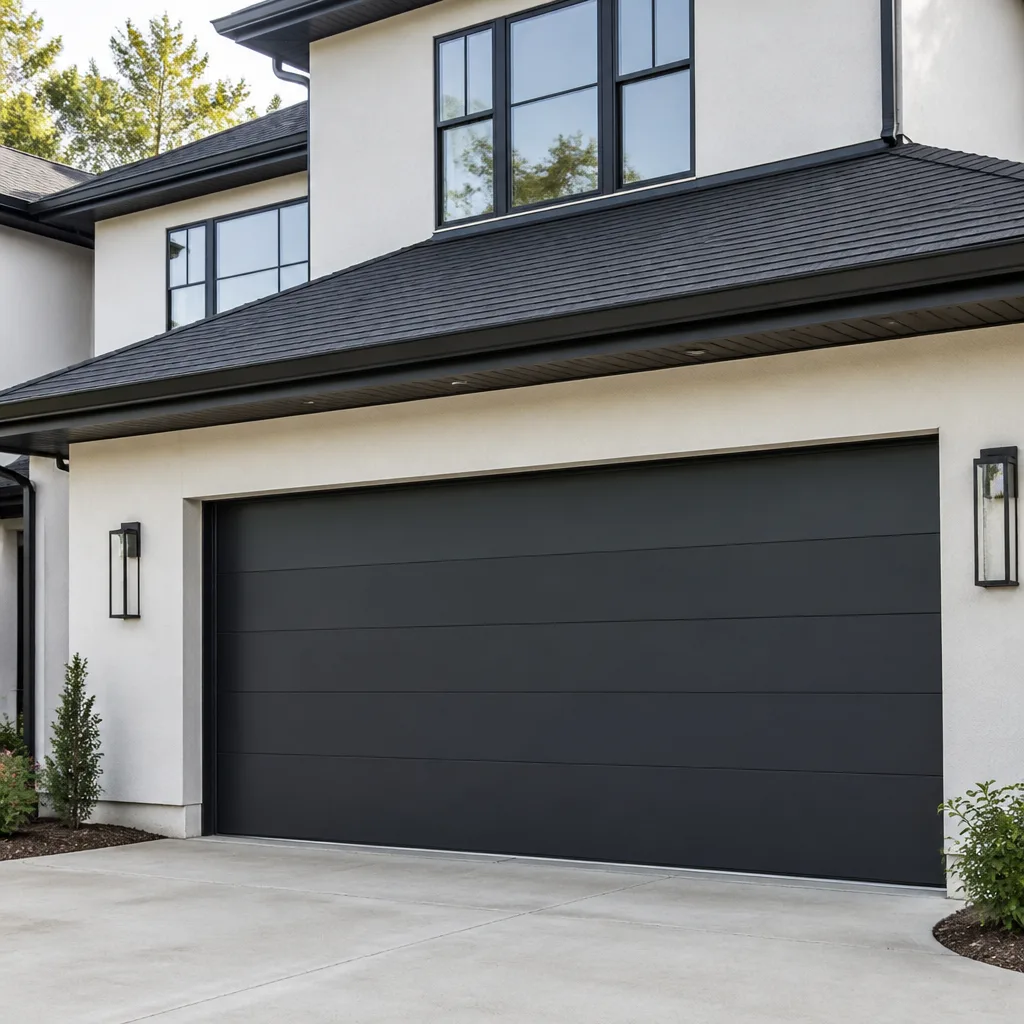 Modern flush
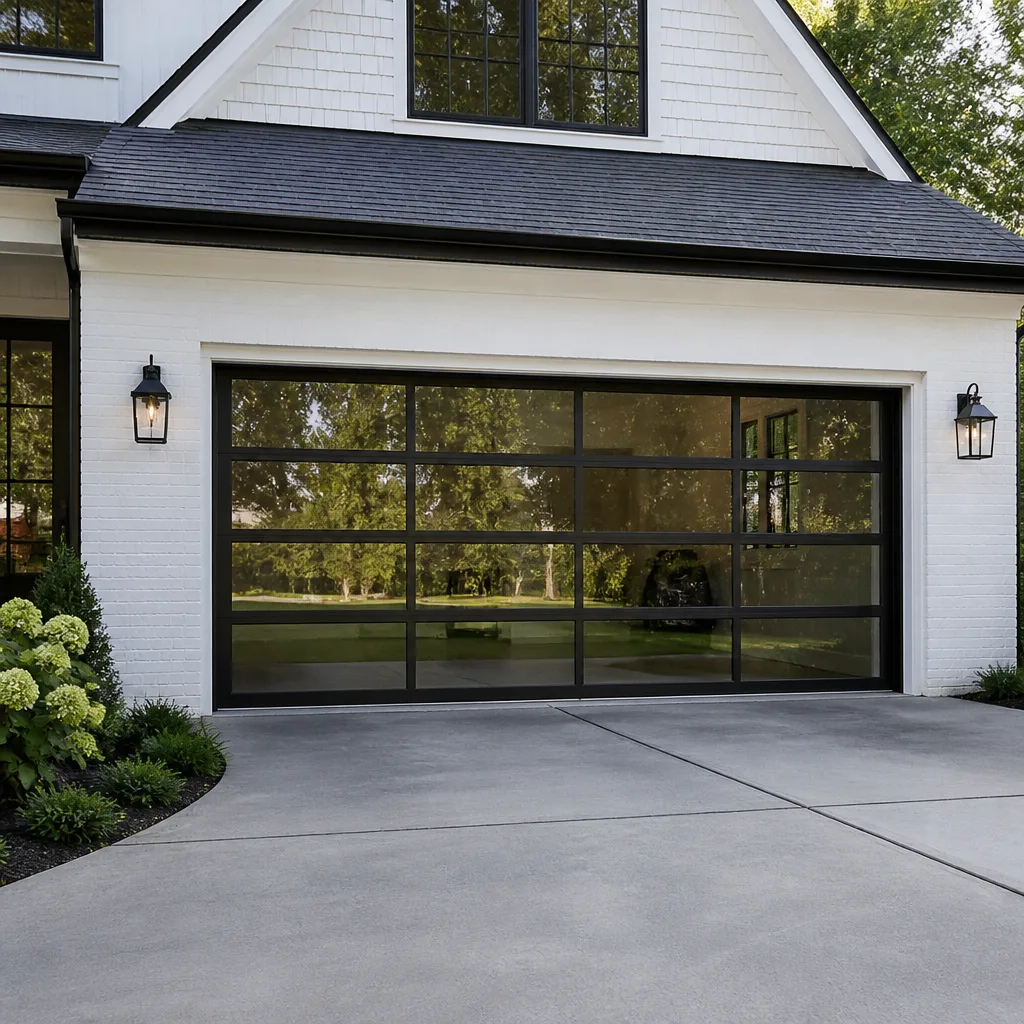 Full-view glass
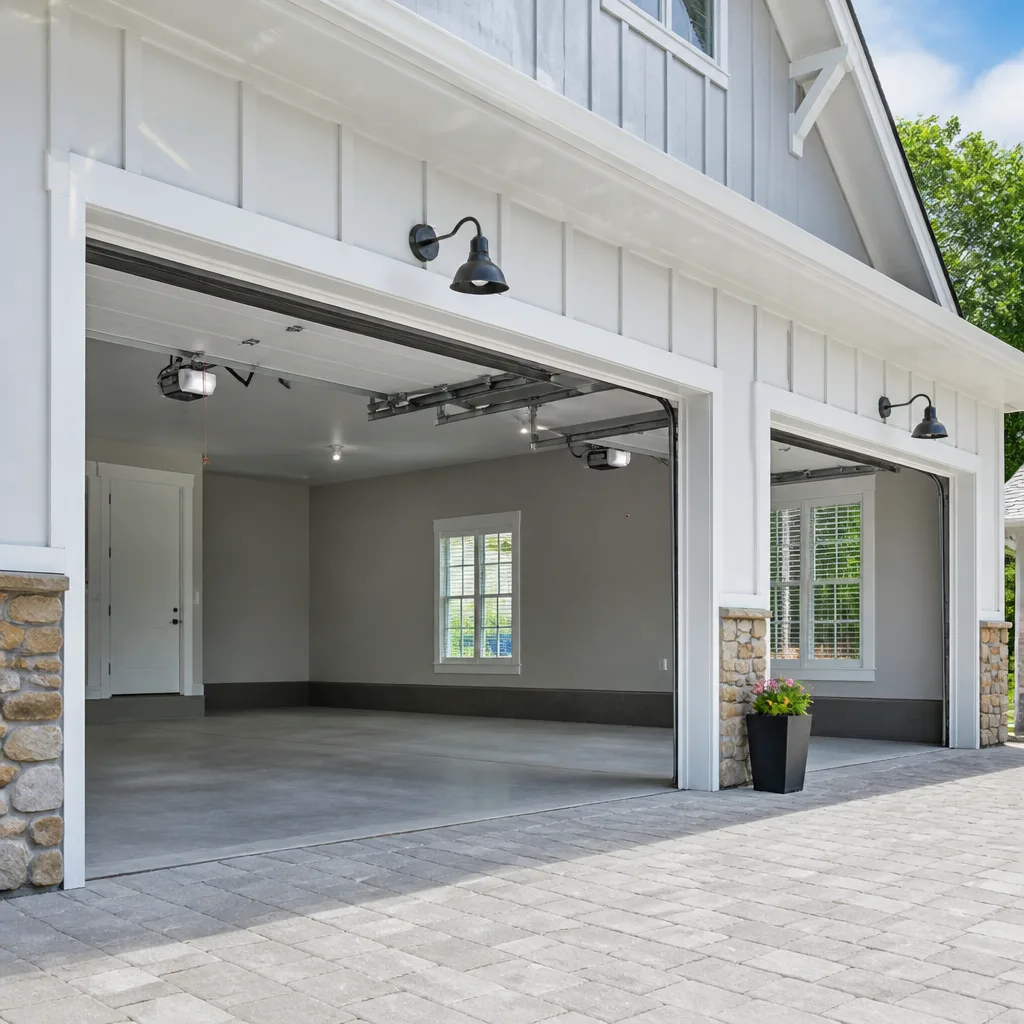 LiftMaster openers
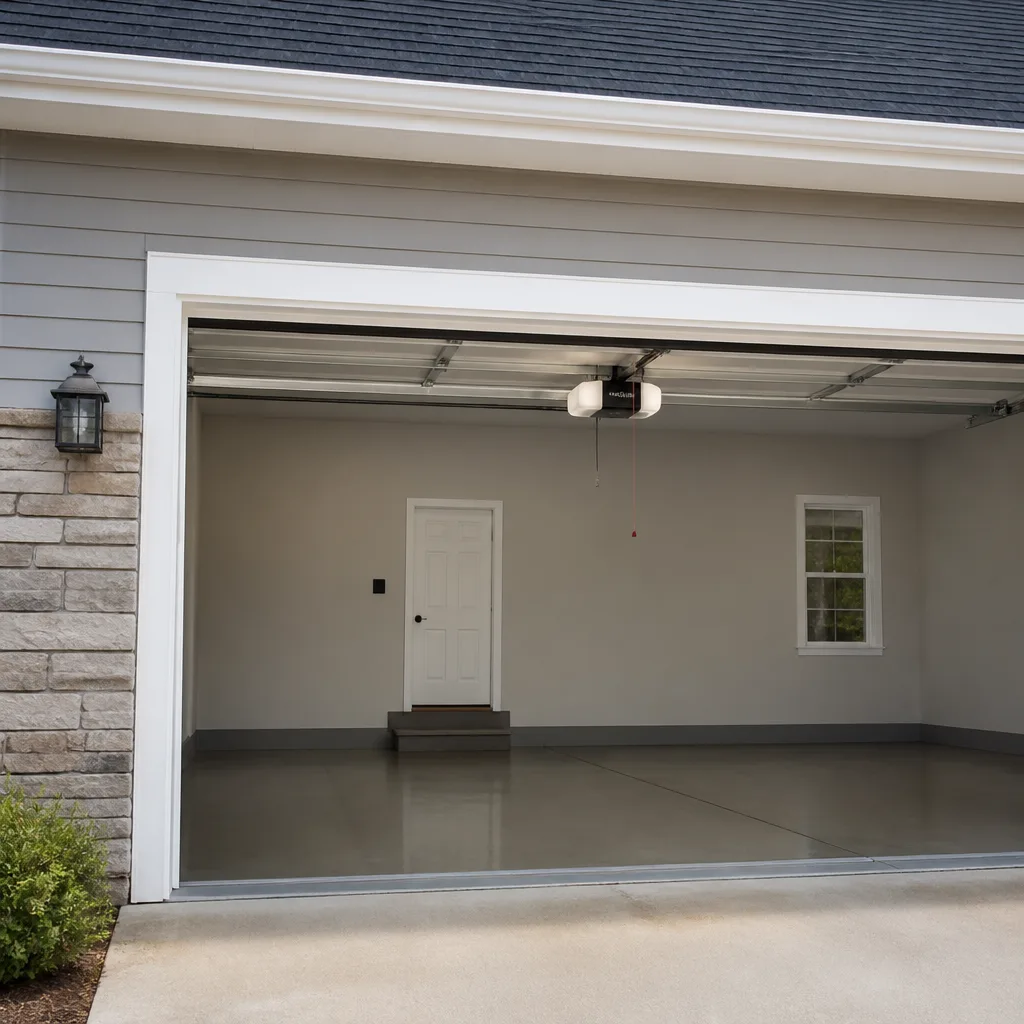 Chamberlain openers
Full 25-point door and opener safety check with every visit - springs, cables, rollers, tracks, and your LiftMaster or Chamberlain opener included
You get a price before we start. It does not change when the pro arrives.
Get your free estimateGarage Door Repair Maintenance Checklist for Toms River Homeowners
A loose roller bracket costs a few dollars in parts. Left alone for a season, it shifts stress onto the track, nudges the door out of alignment, and turns a ten-minute fix into a half-day repair. That’s the whole reason for a checklist – catching the small stuff before it compounds. Most garage door guides you’ll find online are generic twelve-point lists you skim once and forget. This one is built differently. It’s organized by how hard each task is and how often you should do it, so a Toms River homeowner can see at a glance what’s safe to handle and what needs a technician. Print it, tape it to the wall, and keep it.
Quick Answer
A working garage door maintenance checklist for Toms River covers three timeframes: monthly visual checks (rollers, cables, weather seal), quarterly maintenance (lubrication and a balance test), and an annual deep inspection before winter. Roughly 80% of the tasks are homeowner-safe. Springs, cables under tension, and opener electrical work require a trained technician, and no checklist should talk you into touching those yourself.
Styles & brands we work with
- Raised-panel steel
- Carriage house
- Modern flush
- Full-view glass
- LiftMaster openers
- Chamberlain openers
Table of Contents
- How to Use This Checklist
- Monthly Tasks: The Five-Minute Walk-Around
- Quarterly Tasks: Lubrication and the Balance Test
- Annual Tasks: The Pre-Winter Deep Check
- The Right Lubricant for New Jersey Humidity (Not WD-40)
- Reading a Cable Before It Snaps
- Seasonal Adjustments Specific to Toms River
- What Never Goes on a DIY Checklist
- Common Mistakes to Avoid
- When to Call a Professional
- Frequently Asked Questions
How to Use This Checklist
Every task in this guide carries a label. Green tasks are homeowner-safe: you can do them with ordinary tools and a little patience. Red tasks require a trained technician because they involve stored mechanical energy, high-tension parts, or electrical components. A few fall in a middle zone we mark as “inspect only” – you look, you note, you don’t touch.
The logic behind the split is simple. Garage doors are the largest moving object in most homes, and the parts that fail hardest are the ones holding the most energy. A torsion spring under tension can cause serious injury if it’s mishandled, and cables run at several hundred pounds of force. Those stay on the technician side permanently. Everything else – hinges, rollers, tracks, weather seals, the door panel itself – is fair game if you’re comfortable on a step ladder.
Two things make this checklist specific to Toms River. First, the climate: hot, humid summers and cold winters swing the door’s metal and wood through a wide temperature range, which stresses hardware. Second, the housing stock: a lot of Toms River garages were built decades ago with wood-frame doors and original openers, and those need closer watching than a newer steel door with a modern garage door opener repair-ready unit. If you’re in a neighborhood like Silverton or Beachwood, odds are your door has seen more seasons than a new build in Manchester.
What you’ll need
- A step ladder tall enough to reach the opener rail
- A garage door lubricant (silicone-based or lithium grease – see the lubrication section)
- A rag and a soft brush for tracks
- A flashlight for inspecting cables and springs
- A notebook or phone to jot down anything that looks off
Monthly Tasks: The Five-Minute Walk-Around
Once a month, with the door closed, do a slow walk-around. This isn’t a deep inspection – it’s a chance to catch something before it gets worse. Most of what you’re doing is looking and listening.
- Look at the door panels (green). Are there dents, cracks, or separating seams? On wood doors, check for rot at the bottom edge and around the hinges.
- Check the weather seal at the bottom (green). It should sit flat on the floor with no daylight showing. A torn seal lets in water, insects, and cold air.
- Inspect the rollers and hinges (inspect only). Rollers should spin freely. Note any that are cracked, flat-spotted, or wobbling – don’t replace them yet, just flag it.
- Run the door up and down once (green). Listen. A well-behaved door is quiet. Grinding, squealing, or a hard thump at either end means something needs attention.
- Test the safety reverse (green). Place a roll of paper towels under the door and hit the close button. The door should reverse on contact. If it doesn’t, that’s a same-day call.
While you’re walking the door, glance at the cars parked in the garage. A door that closes at an angle or drifts to one side is telling you something about the springs or the tracks – not the opener. Getting a tech out early beats waiting until the door stops working on a school morning.
Quarterly Tasks: Lubrication and the Balance Test
Four times a year – say, at the start of each season – go deeper. This is the maintenance that keeps the door running smoothly and gives you a real read on spring wear.
Lubricate the moving parts (green)
Wipe the tracks clean with a rag first. Then apply lubricant to the hinges, rollers, and the torsion spring coils (a few short bursts along the length – don’t soak them). Open and close the door a few times to work it in. The next section covers the right product.
Run the balance test (green)
This is the single most useful thing you can do to track spring wear. With the door closed, pull the manual release cord to disconnect the opener. Then lift the door by hand to about waist height and let go.
- Door holds in place – springs are fine.
- Door drifts up or down slowly – springs are aging. Time to book an inspection.
- Door drops or rises fast – springs are failing. Stop using the door and call a technician.
After the test, push the door back down and reengage the opener trolley. If the balance was off, don’t keep running the door on the opener – you’re transferring the load to the motor, and that’s a more expensive failure.
Check the track alignment (inspect only)
Stand at the center of the door and sight down the vertical tracks. They should be parallel and straight. Any bow, kink, or gap means the door is sliding off-center. Fixing tracks is a technician job – you can do more harm than good prying on them.
Annual Tasks: The Pre-Winter Deep Check
Once a year, ideally in early fall before the first cold snap, do a full inspection. New Jersey winters are the toughest season for garage doors – steel contracts in the cold, wood swells with moisture, and any weak point in the system gets tested.
- Inspect the torsion springs (inspect only). Look for gaps along the coil and any orange dust near the springs. Both are signs of stress. Don’t touch the springs themselves.
- Check the cables (inspect only). Look at both cables running down the sides of the door. Any sign of fraying or kinking is a red flag. See the cable section below.
- Test the opener’s safety sensors (green). Wave your hand through the beams and confirm the door reverses. Clean the lens with a rag while you’re at it – dust buildup causes false trips.
- Test the manual release (green). With the door closed, pull the release cord. It should move freely. If it’s stuck or the cord is broken, that’s a safety issue – book a repair.
- Check the weather seal again (green). Cold-weather sealing matters in Toms River. If the bottom seal is worn or torn, replace it now, not in January.
- Tighten the hinge screws (green – careful not to overtighten). Bolts and screws work loose over a year of use. Snug them up, but don’t strip the threads.
- Inspect the tracks for rust or debris (green). A light coat of silicone spray is fine. Rust spots should be cleaned and treated, not painted over.
This is also the moment to look at the door itself. A wood door that’s starting to peel or crack at the edges needs attention before winter rain gets into the grain. Steel doors on an older Clopay or Wayne Dalton unit that’s showing rust spots may be nearing the end of practical repair life – worth having that conversation in autumn, not in the middle of a January cold snap.
The Right Lubricant for New Jersey Humidity (Not WD-40)
Here’s the mistake we see most: homeowners spray the tracks with WD-40, feel satisfied, and then the door gets stiff and loud two months later. WD-40 is a solvent, not a lubricant. It displaces water and cleans, then evaporates. If you want a garage door that stays quiet through a humid Toms River summer, you want either a silicone-based lubricant or a light lithium grease. Both resist moisture, both stay put, both protect against the seasonal swell-and-shrink cycle that stresses hardware.
Where to lubricate
- Hinges: a drop at each pivot point.
- Rollers: spray the stem, not the wheel – a little goes a long way.
- Torsion springs: a light coat along the coil, not a soaking.
- Opener rail and trolley: a thin film on the rail, per the manufacturer’s spec.
- Tracks: a very light film if at all – tracks should be kept mostly dry and clean, not greasy.
Where not to lubricate
Skip the photo-eye sensors (grease attracts dust and causes false trips), the door panels themselves, and the rubber weather seal. Those parts do better dry or with their own dedicated treatments.
A minute of the right lubricant every three months is worth an hour of the wrong one every week. If you’ve inherited a door from the previous owner and don’t know its service history, this is the first thing to sort out – especially on brands like Genie or Chamberlain openers that have specific rail lubrication notes in the manual.
Reading a Cable Before It Snaps
Garage door cables are the parts most homeowners never think about until they hear the snap. A cable failure is usually loud, sudden, and dangerous – the door can fall or jump at the moment of failure. Most snap points give warning for weeks or months beforehand, which is exactly why the monthly visual check matters.
What to look for
- Fraying: individual strands beginning to separate from the main cable. It looks like a fuzzy patch or a small kink near a drum or bracket.
- Rust: brown spotting along the cable is a warning that the metal is weakening. New Jersey humidity accelerates rust on any exposed steel.
- Kinks or birdcaging: where the cable has bent sharply and can’t straighten. Kinks are a sign the cable has already been overloaded.
- Sagging: the cable should be taut on both sides. Any slack means the tension is uneven – a spring or drum issue.
- Cable drum wear: look at the drum at each end of the torsion shaft. Rust or grooving on the drum means the cable isn’t winding cleanly.
If you find any of these signs, stop using the door and call for service. Cables are under tension – don’t try to adjust, tighten, or replace them yourself. A snapped cable is a genuine hazard, and even a “loose” one can whip or spring unexpectedly. This is one of the areas where a trained tech with proper tools really does make a difference, which is why we treat every cable call as a priority.
Seasonal Adjustments Specific to Toms River
The Toms River climate moves through a wide range over a year. Summer humidity swells wood panels and softens weather seals. Autumn brings the first cold snaps that test every moving part. Winter can push hardware into contraction and freeze any moisture that’s gotten into cracks. The checklist changes with the season.
Pre-winter (September – October)
This is the single most important maintenance window in Toms River. Run the balance test. Lubricate thoroughly. Check the weather seal. Inspect cables. If the springs are drifting, get them replaced now – a spring that fails in October is a repair; the same spring failing in January during a cold snap can lock you out of the garage for a day.
Post-storm (year-round after nor’easters or heavy wind)
Storm damage on a garage door usually shows up as a warped panel, a bent track, or a hinge pulled out of the door. After any high-wind event, do a quick walk-around and check the tracks and hinges. A loose hinge after a storm is a ten-minute fix; a bent track that goes unrepaired will wreck the rollers within weeks.
Spring and summer
Humidity season. Check for wood rot on the bottom panels, clean the weather seal of any mold or mildew, and watch for any sign of corrosion on the hinges and rollers. This is also when you’d notice if your door has started to shrink away from the weather seal, causing daylight gaps.
Year-round in every neighborhood
From Toms River’s downtown to the quiet streets around Waretown, the same pattern holds: the door that gets ten minutes a month lasts years longer than the one that gets nothing. Proximity to the water in some neighborhoods also raises the ambient humidity, so if you’re close to Barnegat Bay, watch the wood and steel parts more carefully than you would inland.
What Never Goes on a DIY Checklist
We’ve said this throughout, but it’s worth pulling out into its own section, because the consequences of getting it wrong are serious. Our technicians have up to 14 years of experience working with springs and cables, and even they don’t skip safety steps. A homeowner should not attempt these jobs at all:
- Replacing or adjusting torsion springs. These store enormous energy. A mishandled spring can cause serious injury or worse. This is the definitive “call a pro” task.
- Adjusting or replacing cables. Cables run between the springs and the door drum under constant tension. Any release without the right tools can snap back.
- Any electrical work on the opener beyond plugging it in. LiftMaster, Chamberlain, and Genie openers have electrical components that need proper handling – panel wiring, capacitor work, and circuit-level issues are technician territory.
- Mounting or re-mounting the opener to the ceiling. The overhead rail carries meaningful weight, and a rail coming loose mid-operation can bring the whole door down.
- Prying or adjusting a bent track. Tracks look sturdy, but prying on them makes things worse. A trained tech with the right clamps will fix it in a fraction of the time.
- Bypassing the safety sensors or reversing mechanism. Any “fix” that disables a safety feature is a hard no.
If a job involves springs, cables under tension, or the electrical side of the opener, close the guide and pick up the phone. Free estimates make it an easy call, and the math usually favors professional service – one technician visit often costs less than the damage from a DIY mistake on these parts. You can read more on the safety points in our garage door spring repair page if you want the technical detail.
Common Mistakes to Avoid
- Lubricating with WD-40. It cleans and displaces water, then evaporates. Within a couple of months the door is stiffer than before. Use silicone or lithium grease instead, especially with the humidity we get in Toms River.
- Skipping the balance test. Most homeowners never run it, which means they only find out the springs are aging when the door stops working altogether. It takes 30 seconds and tells you more about your springs than a visual inspection ever will.
- Ignoring a small dent. A dent in a steel panel can flex the seals, let water into the frame, and slowly warp the door out of alignment. Left alone, a dent becomes a track problem.
- Replacing a spring pair with just one. Springs are installed in matched pairs. Replacing one and not the other means the new one takes all the load and fails early. A pair costs about twice a single spring – budget for the pair.
- Prying on a bent track. Tracks bend easily under prying tools and rarely come back true. What was a five-minute adjustment becomes a track replacement.
- Disconnecting the opener and never reengaging it. After a power outage or a manual release, the trolley needs to be reconnected properly. A door left on manual release is a door that opens by hand – fine for one day, risky to leave for weeks.
- Closing the door on the car. It happens. When it does, don’t bend the door back into shape with a pry bar – get the panel inspected, because the damage underneath is often harder to see than the dent.
When to Call a Professional
Most of the checklist is yours to run. These are the moments to hand it to a technician:
- The balance test shows the door drifting up or down
- Any spring shows a gap, orange dust, or visible coil damage
- Any cable shows fraying, kinking, or rust spotting
- The door won’t reverse when the safety sensors are triggered
- The opener strains, jerks, or reverses without reason
- A hurricane or nor’easter has left a track, hinge, or panel compromised
- You’re locked out of the garage after a mechanical or power failure
Emergency garage door service is a standing capability for us – not something we schedule around. Spring failures don’t wait for a convenient time, and neither does a door stuck open on a Toms River winter night. Toms River Garage Door Repair Pros offers free estimates in Toms River – call (855) 726-7559. We can also look at standard garage door repair needs on the same visit if the checklist turned up more than one item.
Frequently Asked Questions
Monthly walk-arounds, quarterly lubrication and balance tests, and an annual deep inspection in early fall. The pre-winter check is the most important one in Toms River because winter is the hardest season on the door. Call (855) 726-7559 for a free estimate on any repairs the checks turn up.
No. Torsion and extension springs are under extreme tension and a mishandled spring can cause serious injury or worse. This is a job for a trained technician with the proper tools – spring repair is one of our specialties. Call (855) 726-7559 for a free estimate.
Silicone-based spray or light lithium grease. Avoid WD-40, which is a solvent that evaporates. In New Jersey humidity you want a lubricant that stays put through the seasonal temperature swings. Call (855) 726-7559 if you’d rather have a tech do the full lubrication on the first visit.
Whether your springs are still carrying the door’s weight. If the door holds still mid-travel, springs are healthy. If it drifts, springs are aging. If it drops or rises fast, springs are failing. Call (855) 726-7559 for a free estimate on a spring inspection.
Look for fraying, kinking, rust spotting, or slack on either side. Any of these signs means the cable is compromised and shouldn’t be used. Call (855) 726-7559 to book a same-day inspection.
Yes. A lot of Toms River garages have wood-frame doors and original openers, and we service those alongside newer steel doors and modern brands. Our technicians have up to 14 years of experience and are certified on major manufacturers including LiftMaster, Chamberlain, Genie, and Clopay. Call (855) 726-7559 for a free estimate.
The Bottom Line
A garage door that’s maintained on a simple schedule costs less to run and lasts years longer than one that’s ignored. The three timeframes in this checklist do the heavy lifting: monthly walk-arounds catch the little things, quarterly lubrication and balance tests track spring wear, and the annual pre-winter inspection in Toms River addresses the season that stresses the door most. Stay away from springs, cables, and electrical work – those are technician jobs, full stop. Everything else, print this, tape it inside the garage, and give it five minutes a month. If the checklist flags something you’re not sure about, we’re happy to take a look.
Call (855) 726-7559 for a free estimate. We only do garage doors – repair, opener service, spring replacement, and full installation. From a bent panel to a full new door, one call covers it, and it doesn’t matter if your door is an Amarr, a Clopay, or an older Wayne Dalton – we’ve seen the quirks before. If your opener is a Genie, a LiftMaster, or a Chamberlain, your opener is our bread and butter. Ready to check out the full range of what we do? Start with the home page at Toms River Garage Door Repair Pros and pick the service that fits.
Written by the team at Toms River Garage Door Repair Pros.
See the difference
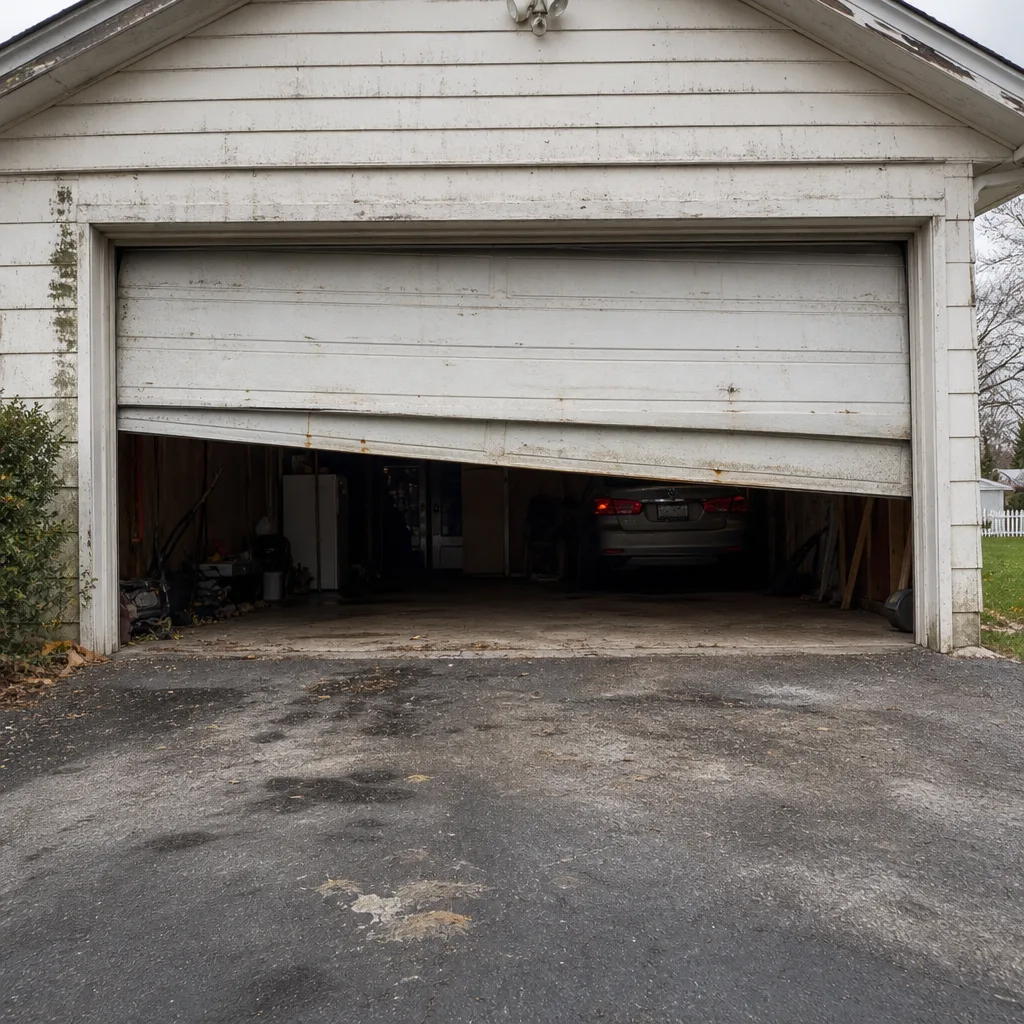 Before
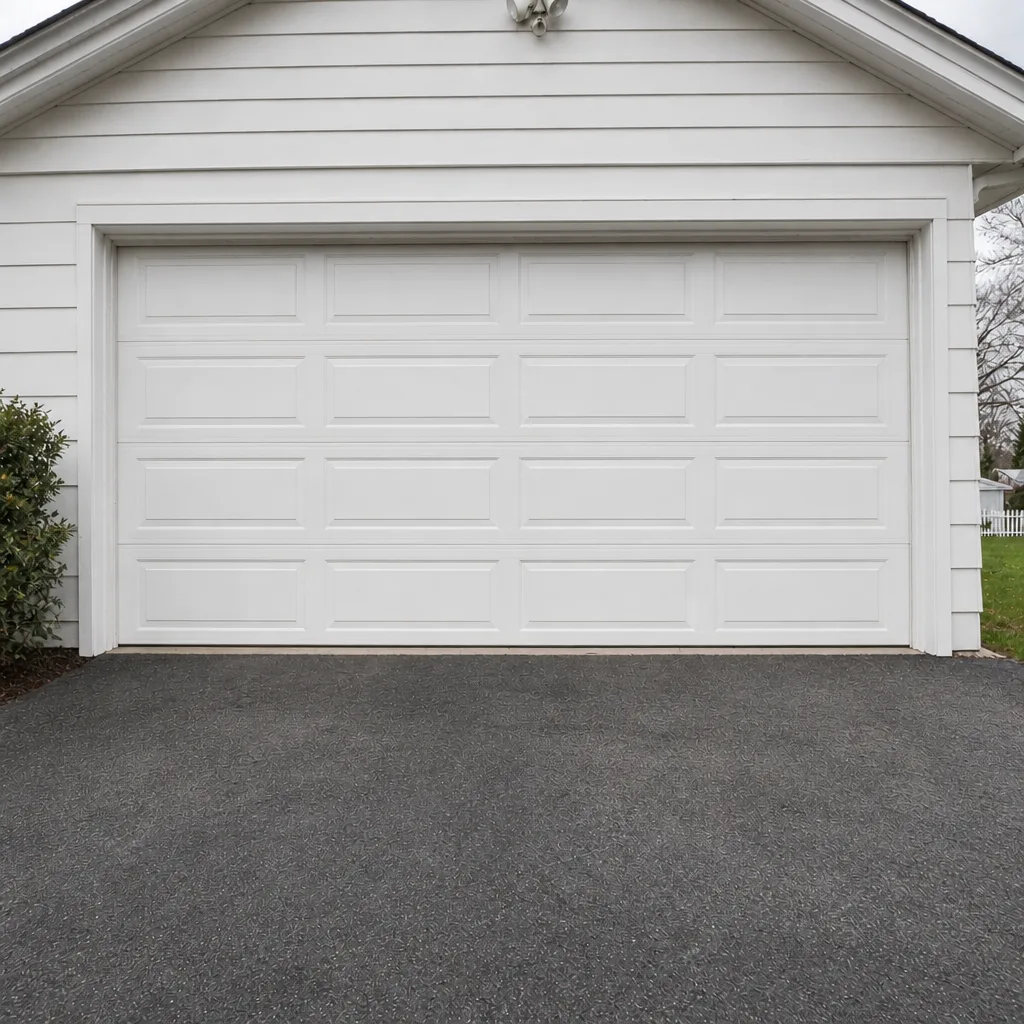 After
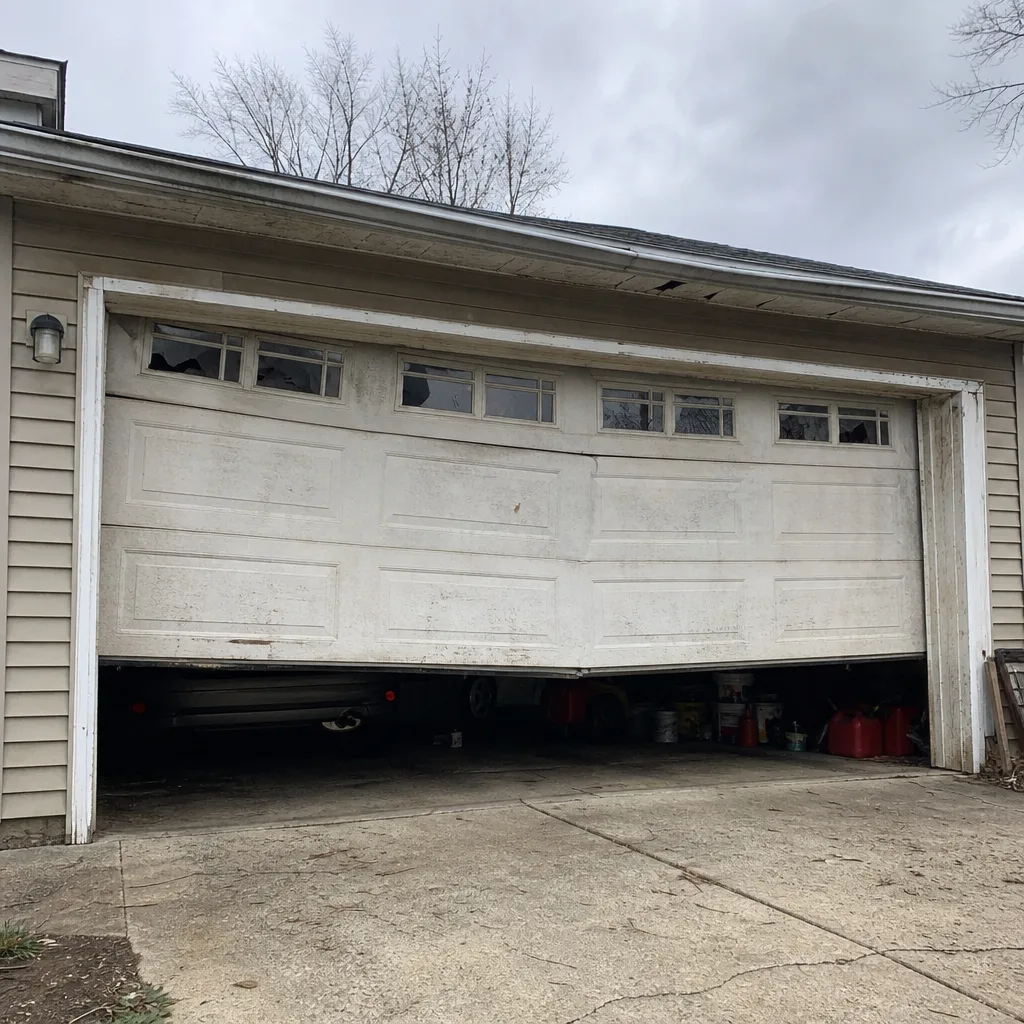 Before
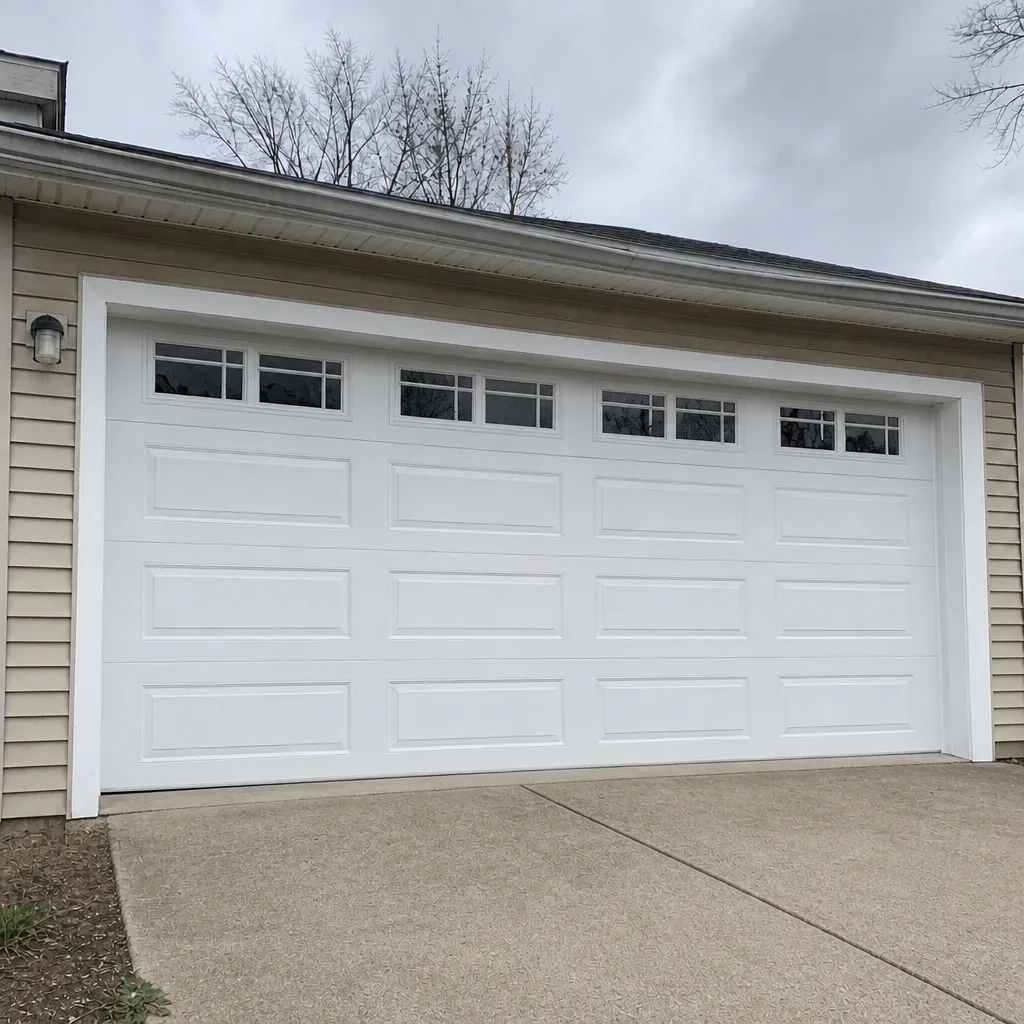 After
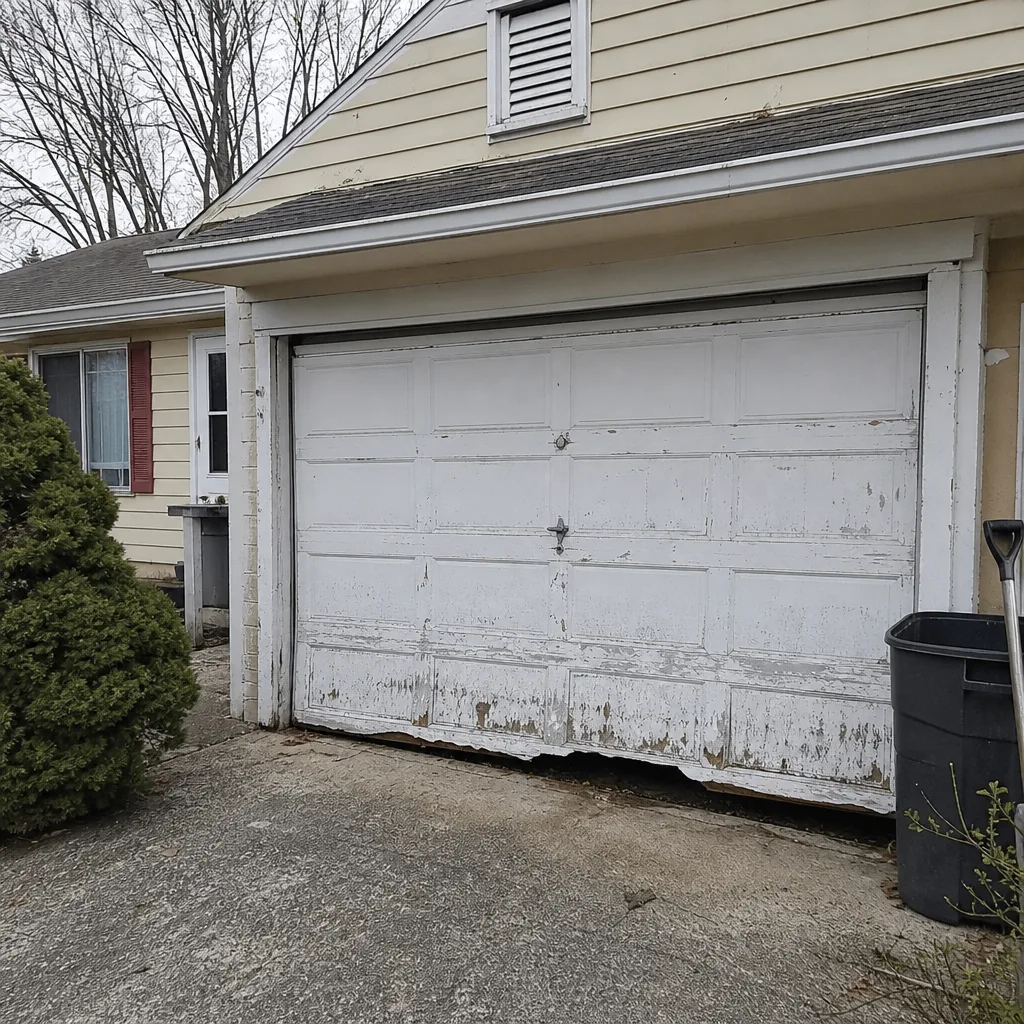 Before
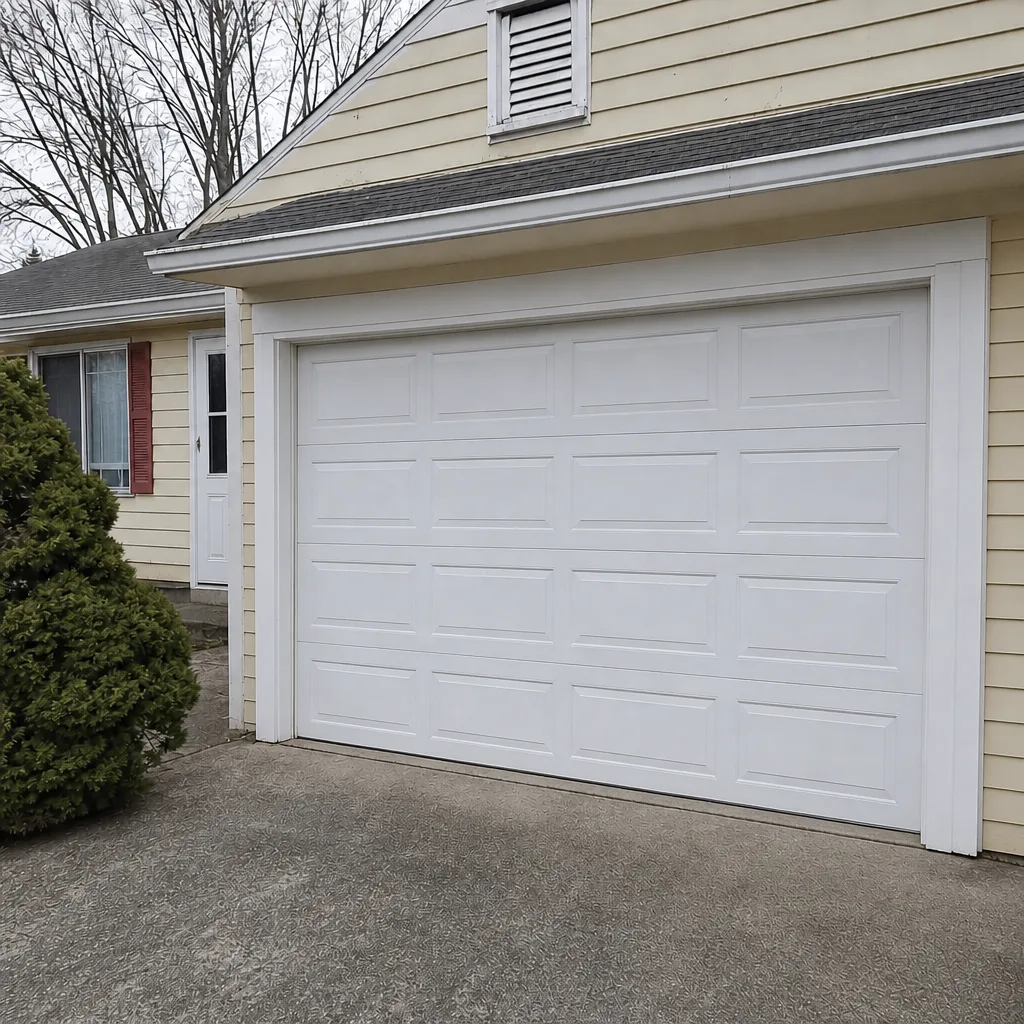 After