Last updated November 23, 2026
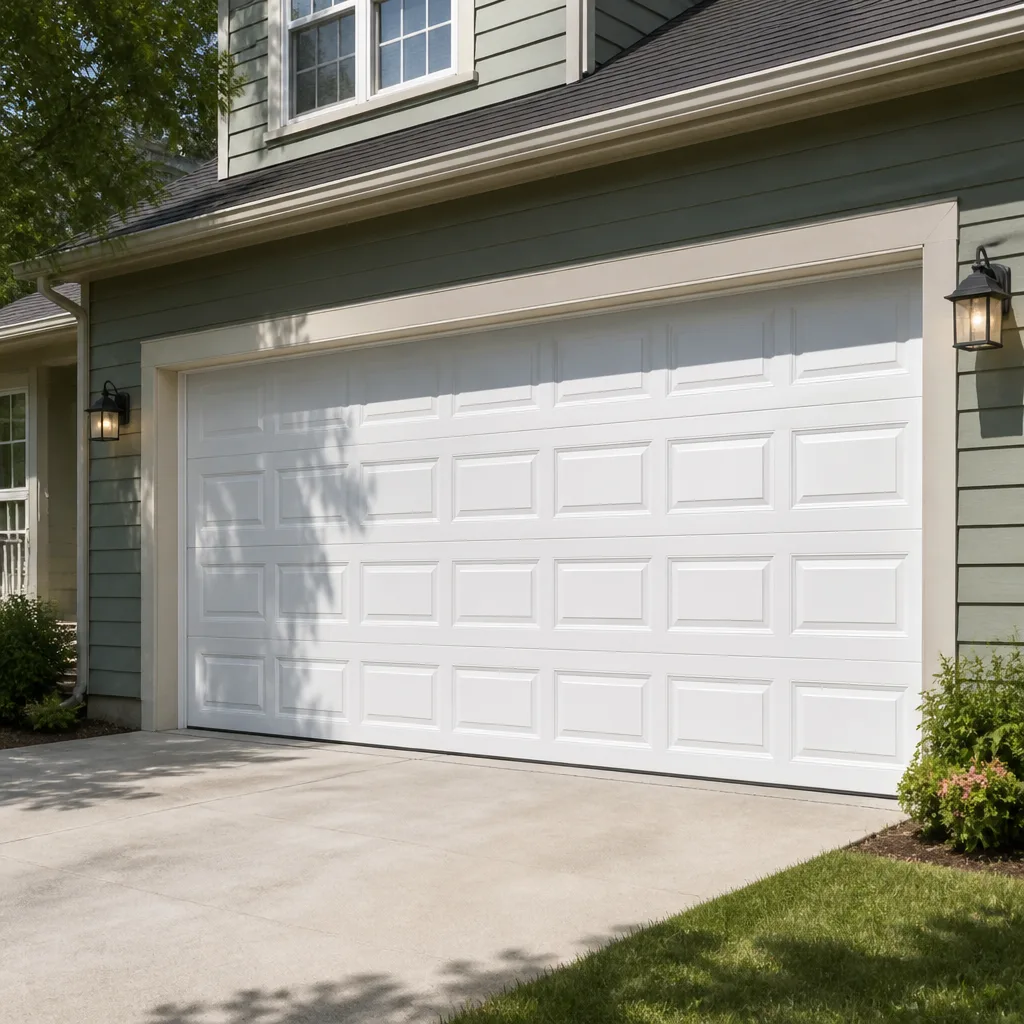 Raised-panel steel
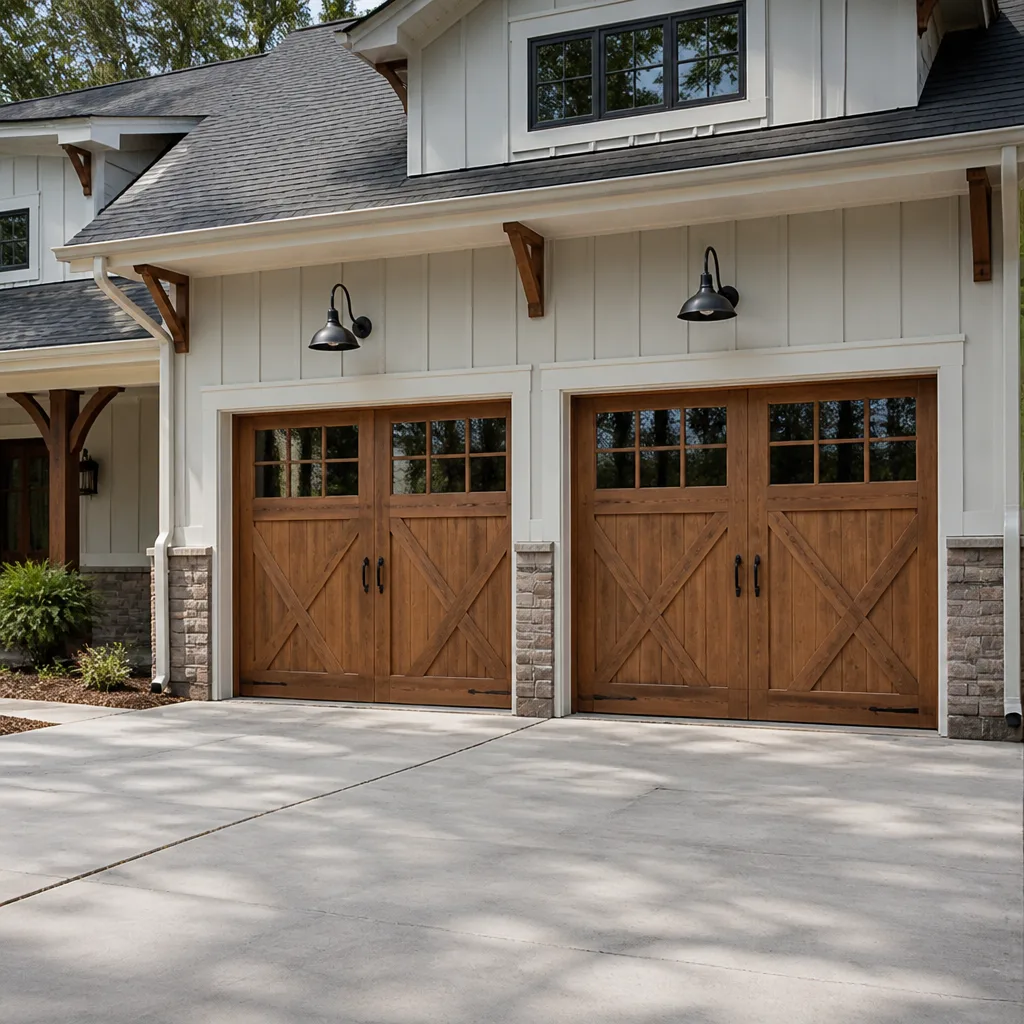 Carriage house
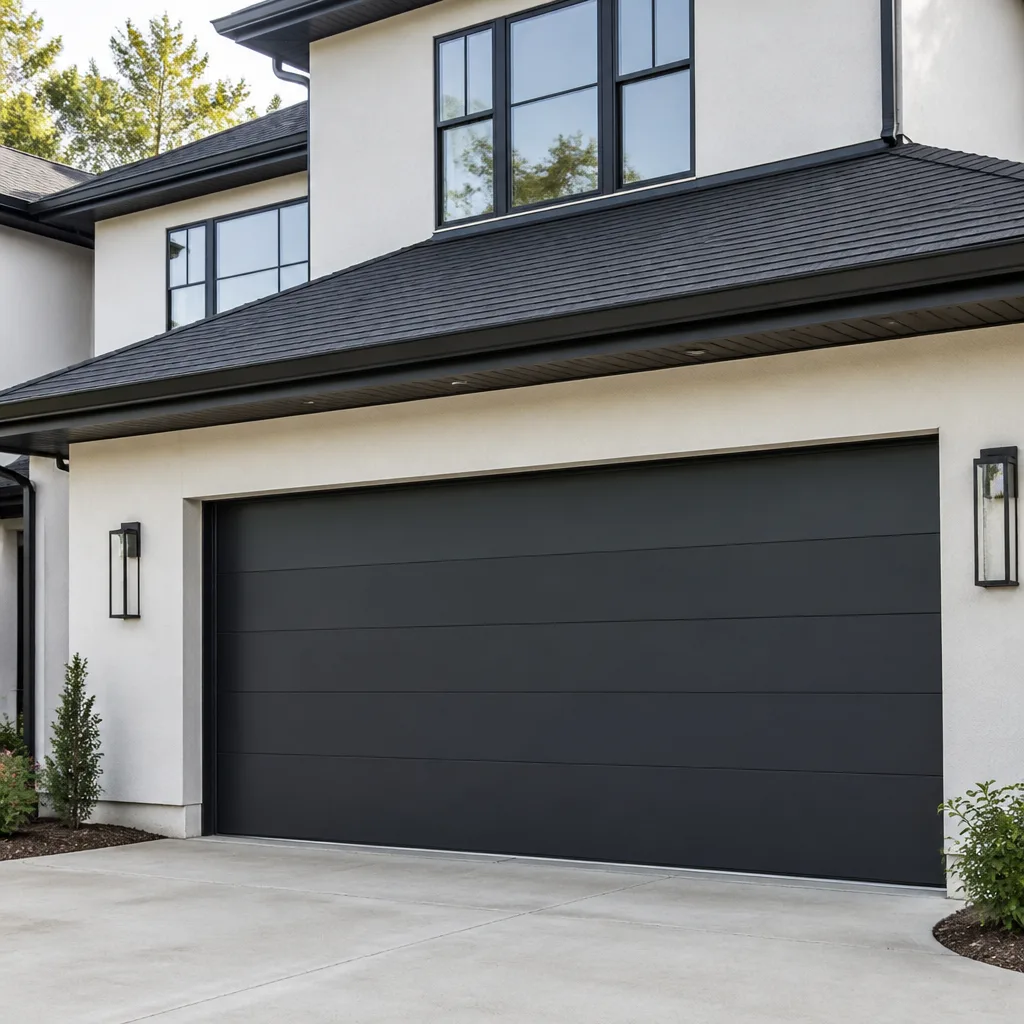 Modern flush
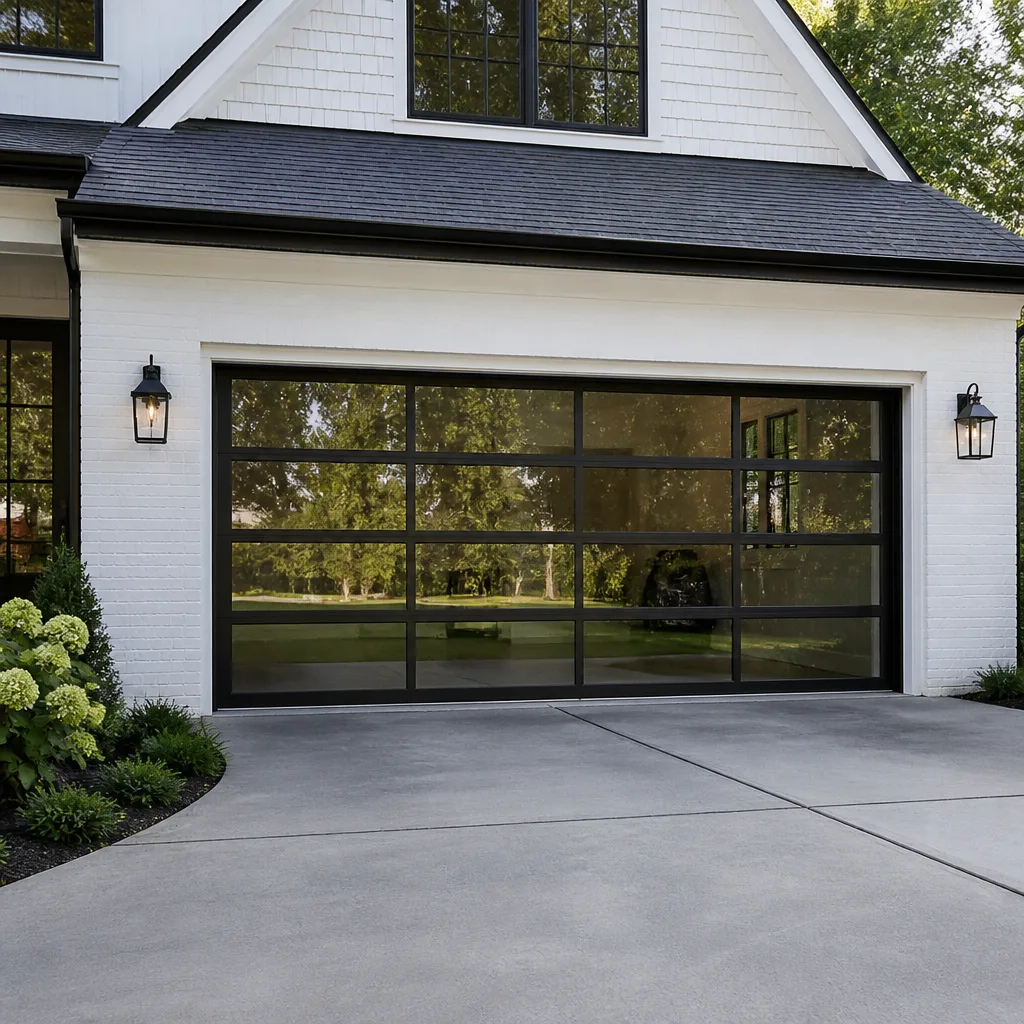 Full-view glass
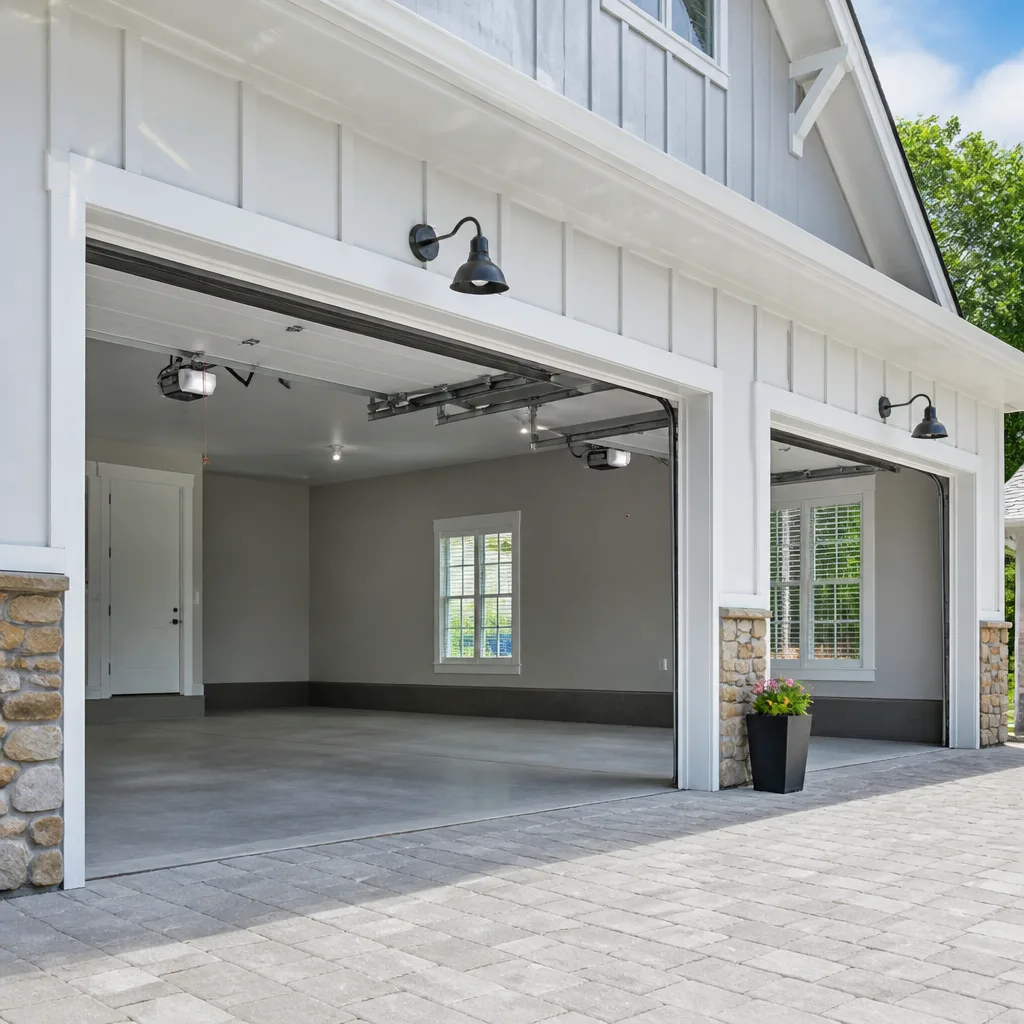 LiftMaster openers
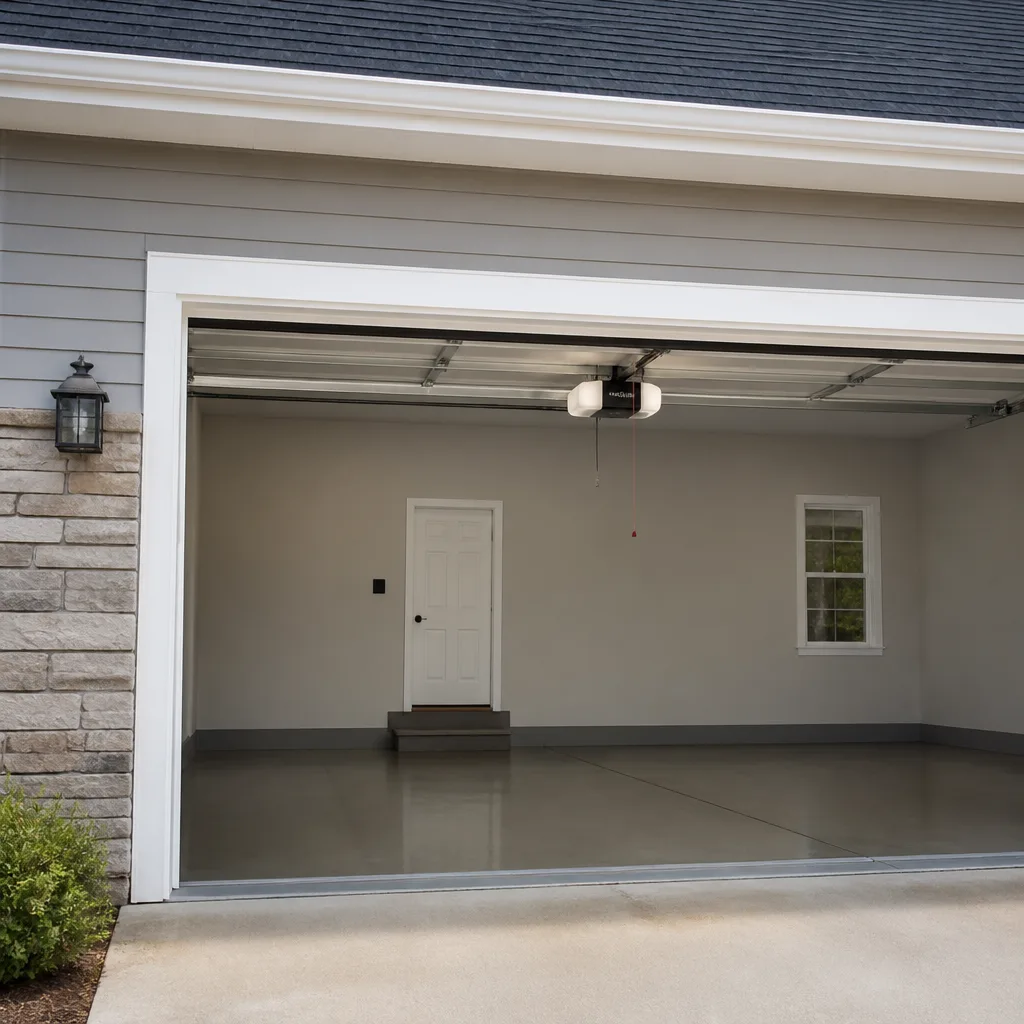 Chamberlain openers
Full 25-point door and opener safety check with every visit - springs, cables, rollers, tracks, and your LiftMaster or Chamberlain opener included
You get a price before we start. It does not change when the pro arrives.
Get your free estimateSeasonal Garage Door Care for Toms River: Year-Round Homeowner’s Guide
The failure point most Toms River homeowners miss isn’t winter. It’s the exit from summer. August humidity leaves moisture sitting in rollers and hinges, and by October that trapped moisture has started the rust cycle that turns into a groaning, sticking door by February. Most people grease the door in November, after the damage is already underway. This guide walks through what each season in Toms River actually asks of your garage door – the hardware checks, the weatherstripping timing, the lubrication window before temperatures drop, and the spring behavior you need to recognize before it becomes an emergency. By the end, you’ll have a four-season routine that fits how this area really weathers.
Quick Answer
Garage door care in Toms River runs on four seasonal touch points: a post-summer hardware inspection and weatherstrip check in early fall, lubrication before temperatures drop below 40°F, a post-storm track and seal inspection after nor’easters in spring, and humidity monitoring for wood composite and galvanized steel through the summer. The single most overlooked step is the fall lubrication window – miss it and the cold months do more mechanical damage than they need to.
Styles & brands we work with
- Raised-panel steel
- Carriage house
- Modern flush
- Full-view glass
- LiftMaster openers
- Chamberlain openers
Table of Contents
- Fall: Post-Summer Hardware Inspection and Pre-Freeze Prep
- Winter: What Cold Does to Spring Tension and Door Weight
- Spring: Post-Nor’easter Inspection Checklist
- Summer: Humidity, Swelling, and Early Corrosion
- The Garage as Thermal Buffer: How Weatherseal Wear Changes with Season
- A Year-Round Maintenance Schedule You Can Actually Keep
- Common Mistakes to Avoid
- When to Call a Professional
- Frequently Asked Questions
Fall: Post-Summer Hardware Inspection and Pre-Freeze Prep
Toms River’s autumn is short and it does the work of two seasons. Temperatures slide from the 70s into the 40s in a matter of weeks, and every piece of hardware on your door moves through the transition with it. The fall checklist is the one that sets up the rest of the year. Skip it and you spend winter fighting problems that started in September.
The first task is a hardware walk. Open the door, watch the rollers travel through the track, listen for grinding or a rhythmic squeal. Run your hand along the hinges and check for any rough or scabbed surface – that’s the early stage of the rust cycle described above. Look at the torsion spring above the door: any visible gap in the coils, any rust bloom at the anchor plate, worth a careful look. Don’t touch the spring or cable yourself; just observe.
Weatherstripping is the second fall priority, and it needs to happen before the first freeze. The bottom seal on a Toms River door takes more abuse than the rest of the assembly because the slab and apron see constant wet-dry cycling through autumn. A seal that’s lost its flex or has torn will let cold air and snowmelt under the door all winter, and it will pull away further with every freeze.
- Inspect the bottom seal along its full width – look for tears, compression set, or daylight at the corners.
- Check the side and top weatherstripping for gaps; push a dollar bill between door and frame and see if it slides out easily (if it does, the seal has lost contact).
- Lubricate rollers, hinges, and the torsion bar bearings with a garage-door-specific lubricant before the first stretch of nights below 40°F.
- Test the auto-reverse by placing a 2×4 flat on the ground and confirming the door reverses on contact.
- Book any spring or opener work you’re thinking about now – the wait grows once the first cold snap hits.
If the opener is on your mind, fall is a good moment to look at the wall unit. We service LiftMaster and Chamberlain units across Toms River and the most common fall call is a photo-eye that’s drifted out of alignment after a summer of yard work nudging the door frame. If yours won’t close for no obvious reason, start there before assuming the motor. For anything more involved, garage door opener repair is what the rainy fall weekends are for.
Winter: What Cold Does to Spring Tension and Door Weight
Cold steel shrinks and stiffens. The torsion spring on your door is calibrated to lift a specific weight, and in January that weight creeps up on a few fronts: the metal in the door panels contracts slightly, the grease in the rollers thickens, and the seals drag. None of these on their own is dramatic. Together they can turn a smooth door into a heavy one that suddenly needs a nudge – or that won’t stay open on its own.
The single most important winter signal to understand is sudden weight. If your Toms River door was easy to lift in October and it feels noticeably heavier in January, that’s a sign worth respecting. Two things cause it: the cold-related drag described above, or a torsion spring that’s losing tension and about to fail. In our experience, when a homeowner says “it’s just been heavier this winter” and the door has a spring with visible rust or an opening gap in the coil, the coil is the story. Spring failures don’t wait for a convenient time – and they almost always happen with the door down, which leaves you locked out of the garage.
Winter checks that pay off:
- Clear snow and ice from the bottom seal and the apron in front of the door – packed ice can jam a panel against the frame.
- Don’t force a door that’s stuck; lifting harder on a stiff spring-loaded door stresses the cables.
- Listen for new noises – a bang from inside the spring assembly almost always means the spring has broken and the door is being held by the cables.
- Keep the tracks clean; salt tracked in from the driveway accelerates roller wear fast.
- Watch the opener: if it suddenly reverses for no reason on cold mornings, the sensitivity setting may need adjusting.
If a spring breaks this winter, garage door spring repair is the call. Torsion springs are under extreme tension and are one of the most dangerous DIY repairs in any home. A trained technician handles them with proper winding bars and the right sizing; a homeowner with a couple of adjustable wrenches is risking serious injury. Our technicians have up to 14 years of experience and know the difference between a spring that needs replacing and one that just needs its counterbalance checked.
Spring: Post-Nor’easter Inspection Checklist
Spring in Toms River is a schedule you can’t predict. Nor’easters ride up the coast and drive wind and moisture inland, and a garage door that was fine the day before can end the storm with a bent bottom section, a track knocked out of alignment, or debris wedged between panels. The post-storm walk is short, and catching damage early is far cheaper than waiting for a door that won’t close.
Run through this checklist after any significant wind event:
- Look at the bottom seal. Storm-driven grit and moisture chew through the seal faster than anything else. Any tears, separation, or sagging need attention immediately – the seal is what’s keeping water out of the garage during the next storm.
- Check the track alignment. Push gently against each track at the top, middle, and bottom. Any rattle or give means a bracket has loosened. A track that’s out of true will worsen with every cycle.
- Inspect the panels for bends. Wind can bend a panel even without impact. A single bent panel may be repairable; a bent panel that’s dragging on the track needs to come off the door.
- Clear debris from the tracks and hinges. Leaf litter, twigs, and grit get caught at the roller heads. Clear them with a stiff brush, not a hose.
- Test the opener’s safety reverse after any storm. Power surges during the storm can knock a control board back to default, which resets the force limits.
- Look for moisture where it shouldn’t be. Water pooling under the door or along the threshold usually means the bottom seal has failed and needs replacing.
Wind-driven debris and panel damage is the other common spring call. If you see a crease in a panel, or the door is closing but the bottom edge isn’t square to the floor, don’t keep cycling it – a bent bottom section will grind against the weatherstrip and take the seal out with it. garage door repair covers panel, track, and seal work in one visit.
Summer: Humidity, Swelling, and Early Corrosion
Summer in Toms River is a long stretch of humid air, and that humidity does more garage door damage than most homeowners realize. Wood-composite panels absorb moisture at their edges and swell; steel panels trap condensation against the inside surface where the paint film can’t release it; and galvanized hardware starts its corrosion cycle quietly, in the hinges and rollers, months before the rust becomes visible from the outside.
Steel panels behave differently from wood composite. Painted steel handles humidity well as long as the paint film is intact. Any gouge, scratch, or stone chip lets moisture reach the raw metal, and that’s where the surface rust starts – usually along the bottom edge where road splash collects. Wood-composite panels need their edges and end grains checked; the swelling is at the corners, not the face, and it opens the joints over time.
Galvanized hardware is the quiet one. The galvanizing on rollers and hinges is a sacrificial zinc coating that protects the underlying steel by slowly corroding first. In a Toms River summer, that process speeds up markedly. Early signs are a chalky white film on the hardware – that’s zinc oxide – followed by the first flecks of rust where the coating has worn through. Catching it at the chalky stage means cleaning and lubricating prevents the roller seizing; catching it after the rollers are rusted means new rollers.
Summer checks:
- Wipe down the bottom edge of every panel with a clean cloth once a month – keep road splash and pollen off.
- Look at the hinges and rollers for chalky white film or orange flecks; clean and lubricate at the chalky stage.
- Inspect the edges and corners of any wood-composite panels for swelling or paint cracking.
- Touch up any paint chips on steel panels before the humidity finds the raw metal.
- Spray door lubricant on moving hardware on a humid week – the light film helps keep condensation off.
Humidity also stresses the opener, especially older units that run hotter than they should. We see plenty of Craftsman and Raynor doors in Toms River where the opener is fine in fall and spring but hesitates on a hot August afternoon – usually a force limit that’s crept up as the door’s moving parts got stickier over the summer. If you know your unit’s brand, call us and describe what it’s doing; our technicians work with LiftMaster, Chamberlain, Genie, Clopay, Amarr, Wayne Dalton, Craftsman, and Raynor, so we can usually tell you what to expect before we’re on site.
The Garage as Thermal Buffer: How Weatherseal Wear Changes with Season
A lot of Toms River garages are attached to the house, which makes the garage the largest single thermal buffer in the building. In winter, that buffer keeps unconditioned air from bleeding through the wall between garage and living space. In summer, it does the reverse – an attached garage gets hot, and if the weatherseal at the door is compromised, that heat presses into the adjacent rooms. The weatherseal on your garage door is what makes the buffer work, and its wear rate varies with the season.
Fall and spring are the transition seasons where the seal experiences the widest temperature swings – a warm afternoon followed by a cold night, repeated day after day. That cycling is the single biggest driver of weatherstrip wear. The rubber or vinyl loses elasticity over hundreds of cycles, and once it does, it takes a compression set and stops making contact.
Winter is the season when the seal is doing its most important work, but it’s also the season when it can’t be easily replaced with the door at its normal fit – the cold can stiffen new weatherstripping during installation. That’s why we time seal replacement in Toms River to happen in the fall. Spring gives you the second-best window; summer is fine too, but you’ll spend that summer with a seal that’s already been through one melt-and-freeze cycle without protection.
Here’s how the seal affects the buffer across the year:
- Fall: The last good window to install a fresh bottom seal before the freeze – the seal will compress against the slab cleanly and settle properly.
- Winter: A worn seal lets cold air rush in under the door, and any snowmelt or road salt drains through to the garage floor.
- Spring: The thaw and the nor’easters both test the seal’s edges and the corners where the side weatherstripping meets the bottom.
- Summer: Heat in the garage presses against the door from the inside; a seal that’s lost contact lets that heat leak into the conditioned space.
- All year: The average homeowner gets a few years out of a bottom seal in this climate; a tear or a compressed set means it’s done, season regardless.
If your garage feels noticeably hotter or colder than it should, the seal is the first suspect. It’s also the cheapest piece to replace. When our typical call comes in from a Toms River homeowner describing a cold or drafty garage, a fresh bottom seal and side weatherstripping solve more of those complaints than anything else.
A Year-Round Maintenance Schedule You Can Actually Keep
Four seasons, four short visits to the garage, and no special tools. This is the schedule we suggest for a Toms River door, and it takes less time per season than a cup of coffee.
- Each fall (September or October): Hardware walk, listen for grinding, check hinges for rust or scabbing. Lubricate rollers, hinges, and torsion bar bearings before the first 40°F night. Inspect bottom seal and side weatherstripping. Test the auto-reverse function.
- Each winter (December through February): Clear snow and ice from the apron and seal after every storm. Watch for sudden weight gain or new noises. Salt-track cleanup on the tracks once a week if you park a daily driver in the garage. Watch for opener sensitivity issues on cold mornings.
- Each spring (March through May, after any nor’easter): Track alignment check, panel inspection, debris cleanup, moisture under the door. Confirm the opener’s force limits are still calibrated after any power surge.
- Each summer (June through August): Monthly wipe-down of the bottom edge of panels, visual check of galvanized hardware for chalky white film, paint chip touch-up, wood-composite edge inspection.
- Once a year, any season: Full balance check – lift the door halfway by hand (with the opener disengaged) and see if it stays put. If it drifts up or down, the spring balance is off and worth a professional look.
- Once every few years, timed to fall: Replace bottom seal and weatherstripping as it wears.
The bottom line on scheduling: the two musts are the fall lubrication before temperatures drop and the post-storm inspection after any nor’easter. Everything else is maintenance that prevents bigger costs. If you’re going to skip a season, skip winter cleanup – never fall lubrication.
Common Mistakes to Avoid
- Lubricating after the first freeze. Lubricant needs to flow into the roller races and hinge pins; in cold weather, the grease you spray stays on the surface and never reaches the bearing. This is why a door lubricated in January still groans in February.
- Using WD-40 on the rollers and hinges. It’s a solvent, not a lubricant. It’ll quiet the door for a week and then leave the metal drier than it started. Use a garage-door-specific lubricant – your garage door repair technician can tell you which ones hold up in a Toms River winter.
- Ignoring the bottom seal after summer. The bottom seal takes the most abuse of any weatherstripping and the least maintenance. If your door was fine in June and the garage feels drafty in October, the seal is the first place to look.
- Tightening a torsion spring yourself. This is the one mistake that can be genuinely dangerous. Torsion spring failure happens most often during winding, and a spring under load can cause serious injury. Call a trained technician.
- Cleaning the tracks with grease or oil. Tracks should be clean and dry. Grease attracts grit, and grit is what wears out rollers. Clean with a damp cloth or stiff brush, then leave them alone.
- Assuming a stuck door is an opener problem. In our experience, most Toms River “opener” calls in cold weather are a door that’s gotten heavy from a weak spring or dragging seal, and the opener is doing its best. Diagnose the door before you replace the motor.
- Forcing the door after a storm. If a panel is bent or the track is out of alignment, cycling the door drives the problem deeper into the mechanism. Leave it and call. garage door repair after a nor’easter is common and usually quick.
The through-line in all seven: address the small thing before the season changes. Almost every garage door emergency we see in Toms River started as a small maintenance item the homeowner meant to get to next month.
When to Call a Professional
Some problems are best left to a trained technician – not because a homeowner can’t tighten a bolt, but because a garage door is a spring-loaded, cable-tensioned system where a small mistake can cause injury or damage. Reach out for professional help if any of these show up: a torsion spring with visible gaps, rust bloom, or a loud bang followed by a door that won’t lift; sudden weight gain on a door that was fine last season; a bent panel that drags against the track; an opener that reverses without obstruction or runs hot; a door that comes off its track or hangs at an angle; or any weatherstripping that’s torn along more than a few inches.
For those situations, our garage door opener repair and spring services exist for the same reason – our technicians work on one specialty and see these failures every week. Toms River Garage Door Repair Pros offers free estimates in Toms River – call (855) 726-7559. Our Toms River Garage Door Repair Pros team can also answer quick questions about whether a seasonal issue is a repair or a maintenance item, and our technicians have up to 14 years of experience diagnosing exactly this kind of seasonal wear.
Frequently Asked Questions
Twice a year is the working answer for this climate: once in early fall before temperatures drop below 40°F, and once in early summer when humidity starts to work on the hardware. If your door is on a street that gets heavy road salt in winter, add a third pass around mid-winter to clean and relubricate the rollers and hinges. Call (855) 726-7559 if a noise doesn’t go away after lubrication – that almost always means something mechanical, not a lube problem.
Cold weather increases drag on the door in three ways: the steel contracts slightly, the lubricant thickens, and the weatherseal gets stiffer. All three make the door feel heavier, and that’s normal up to a point. What’s not normal is a sudden jump in weight plus a new noise, especially a bang from the spring area – that combination usually means a spring is failing. Call us and describe what you’re hearing; we can tell you whether it’s an emergency or a scheduled repair.
The bottom seal and the track alignment. Wind-driven debris and moisture hit the bottom edge of the door hardest, and any debris caught in the tracks will grind the rollers on the next cycle. Look for tears in the seal, check the tracks for grit, and push gently against each track at the top, middle, and bottom – any rattle means a bracket has loosened. If you see a bent panel or the door won’t close squarely, stop cycling it and call (855) 726-7559 for a free estimate.
The early stage shows up as a chalky white film on galvanized hardware – that’s the zinc coating doing its job, and cleaning and lubricating at that stage will extend the hardware’s life considerably. What you don’t want is to see orange flecks or rough, scabby metal on the roller heads. At that point the roller has started to seize and should be replaced before it damages the track. Anyone servicing your door for garage door spring repair can inspect the rollers at the same time.
Bottom seals are one of the few garage door repairs a careful homeowner can do – they slide into a retainer and don’t involve any spring-loaded parts. If your door has a standard aluminum retainer with a slide-in seal, it’s a reasonable DIY job. If the retainer is attached with the same bolts as the bottom bracket of the track, or the door has a non-standard seal system, call us instead – misplacing a bolt on the bottom bracket compromises the door’s structure.
Yes, in two specific ways: the humid summers make the fall hardware inspection more important (that’s when the rust cycle starts, not in the winter), and nor’easter season in spring makes the post-storm checklist a necessity rather than a nice-to-have. Inland New Jersey has shorter, drier summers and less coastal wind. Toms River gets the humidity and the wind both, so both seasonal checks matter here more than they do in other parts of the state.
The Bottom Line
Garage door care in Toms River is a four-point cycle: post-summer hardware inspection and pre-freeze lubrication in the fall, watching for sudden weight gain and spring noise in winter, a post-nor’easter track and seal inspection in spring, and a monthly humidity check on galvanized hardware and wood-composite edges through the summer. The biggest mistake homeowners make is treating winter as the danger season – winter is when a door fails, but fall is when the failure is set up. If anything on your door sounds off, feels heavier than it did last season, or shows early rust on the rollers, that’s a free-estimate conversation, not a do-it-yourself project. For the small stuff, keep the schedule; for the big stuff, pick up the phone.
For seasonal checks, emergency repairs, spring work, opener service, or a full replacement when the old door has served its time, Toms River Garage Door Repair Pros has a specialist for the job. Call (855) 726-7559 for a free estimate – we only do garage doors, which means we’ve seen this before.
Written by the team at Toms River Garage Door Repair Pros.
See the difference
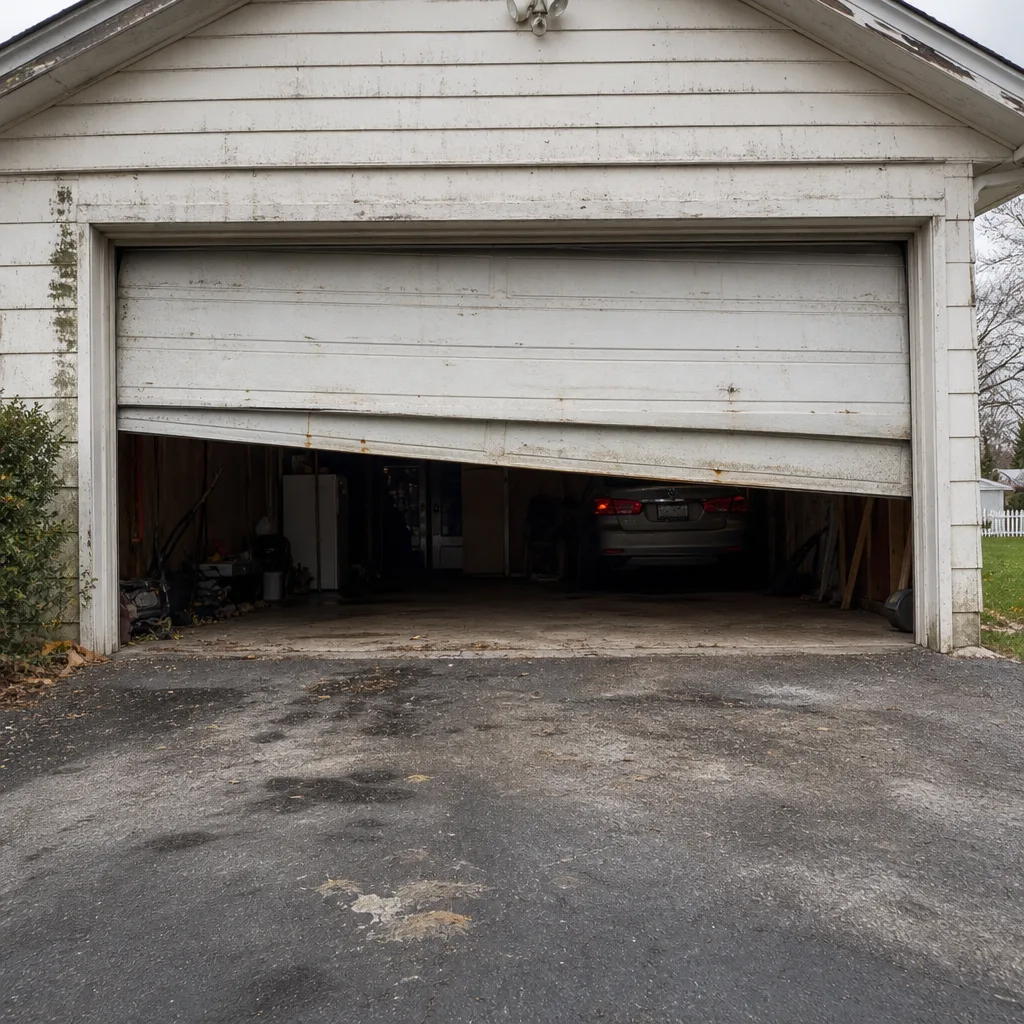 Before
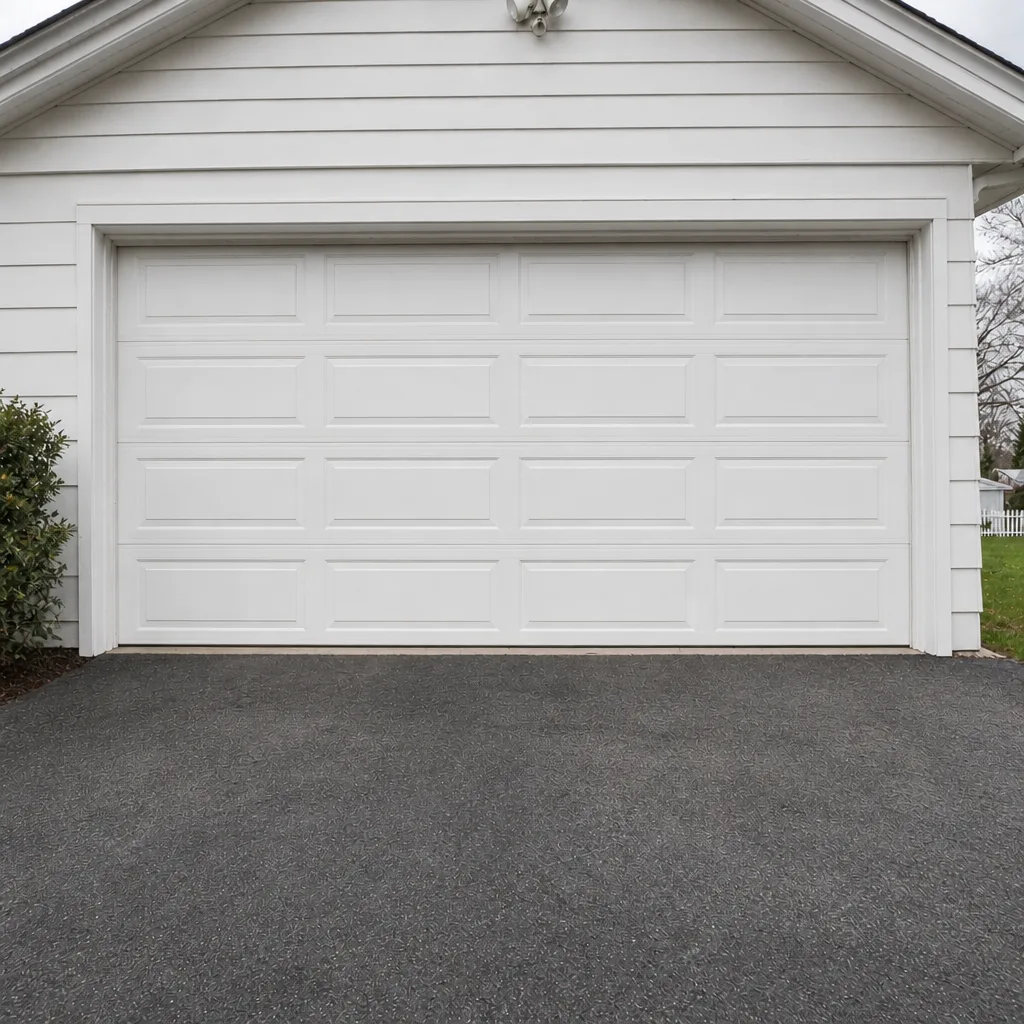 After
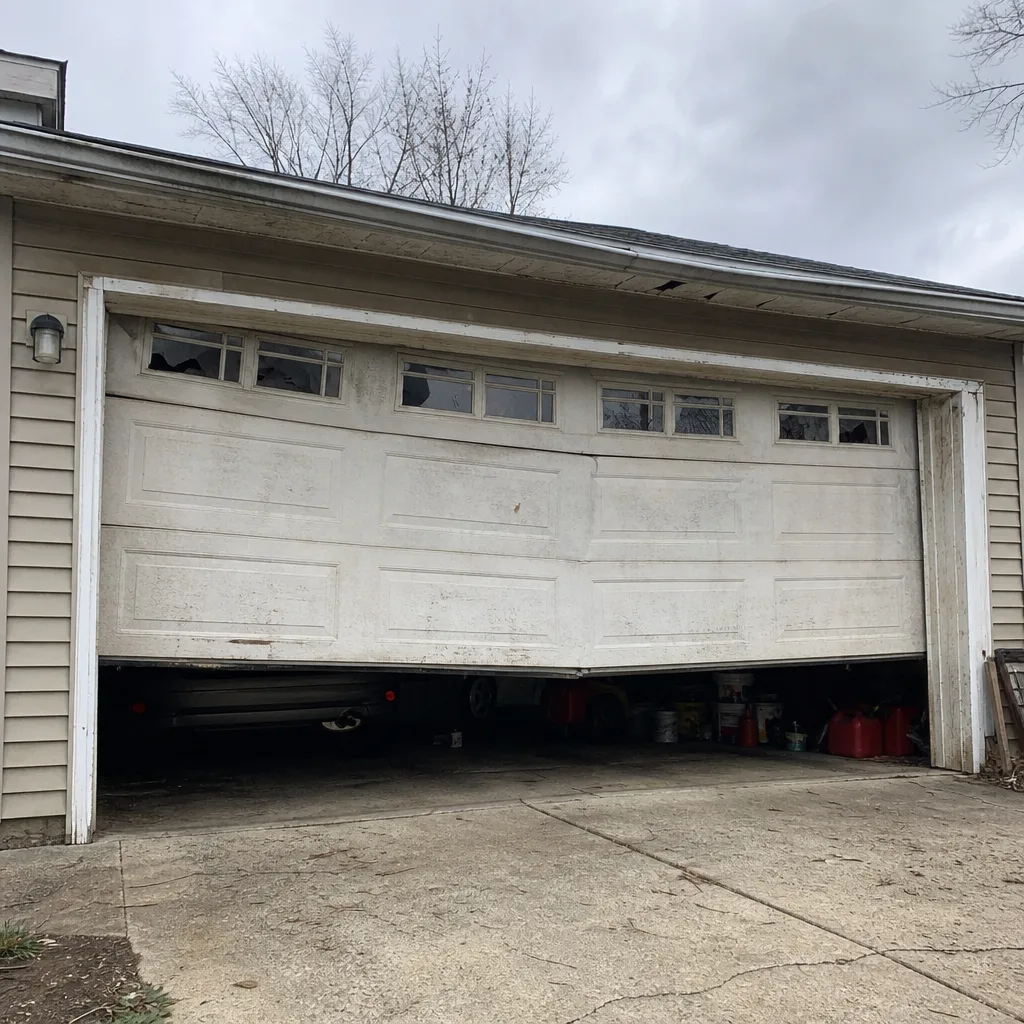 Before
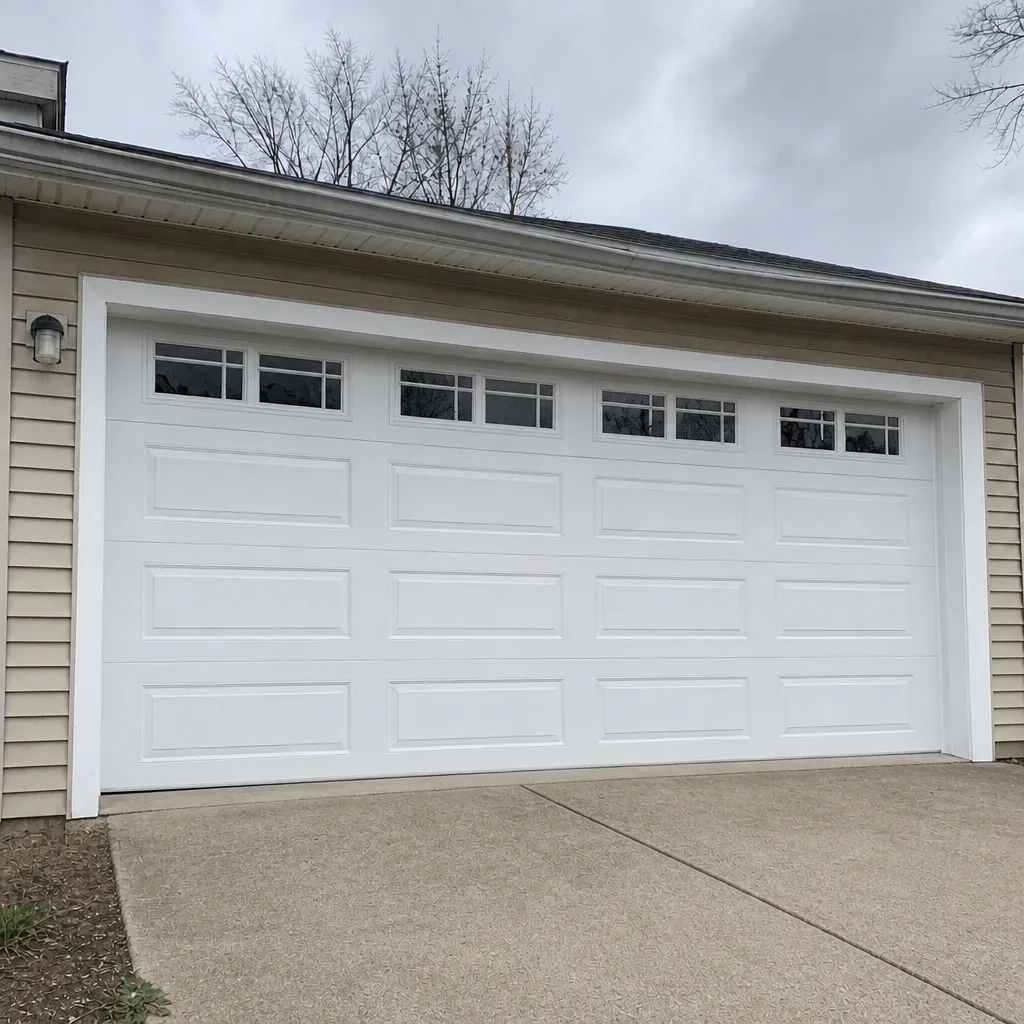 After
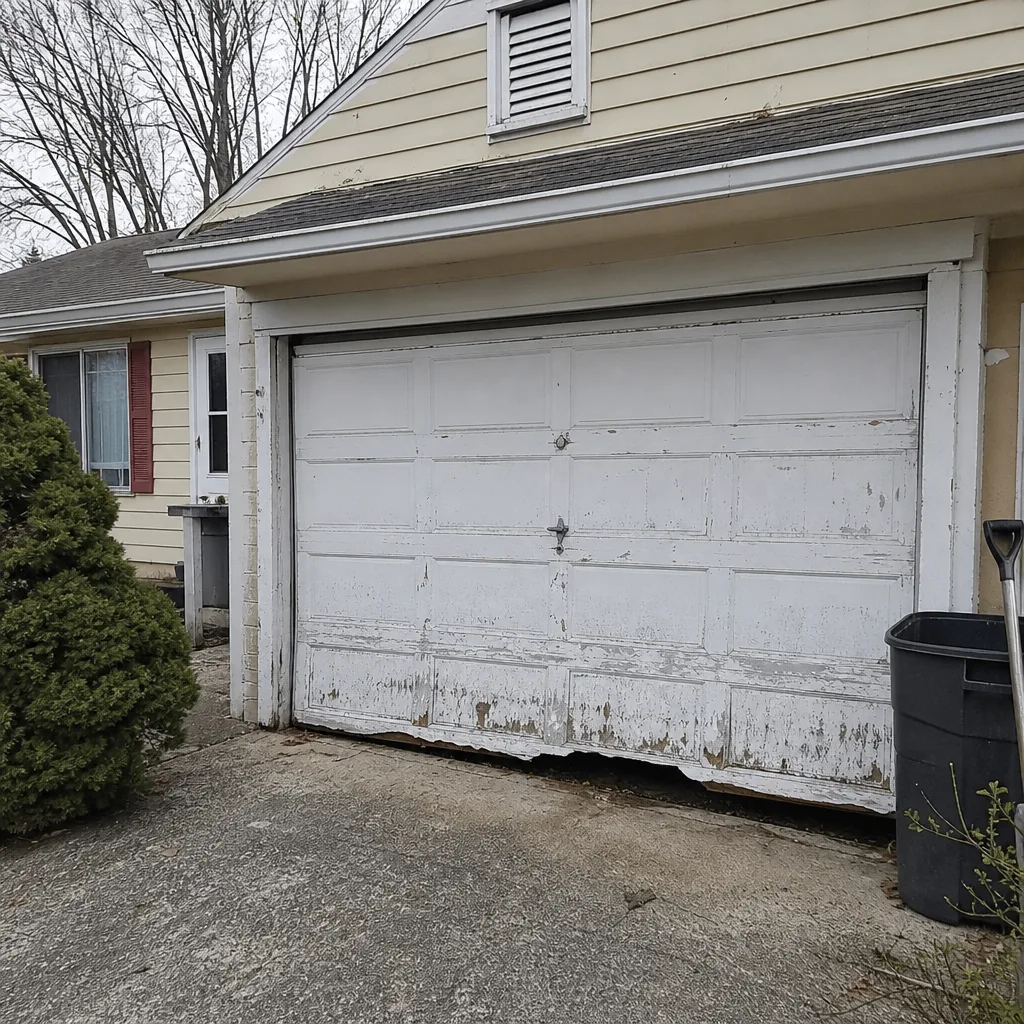 Before
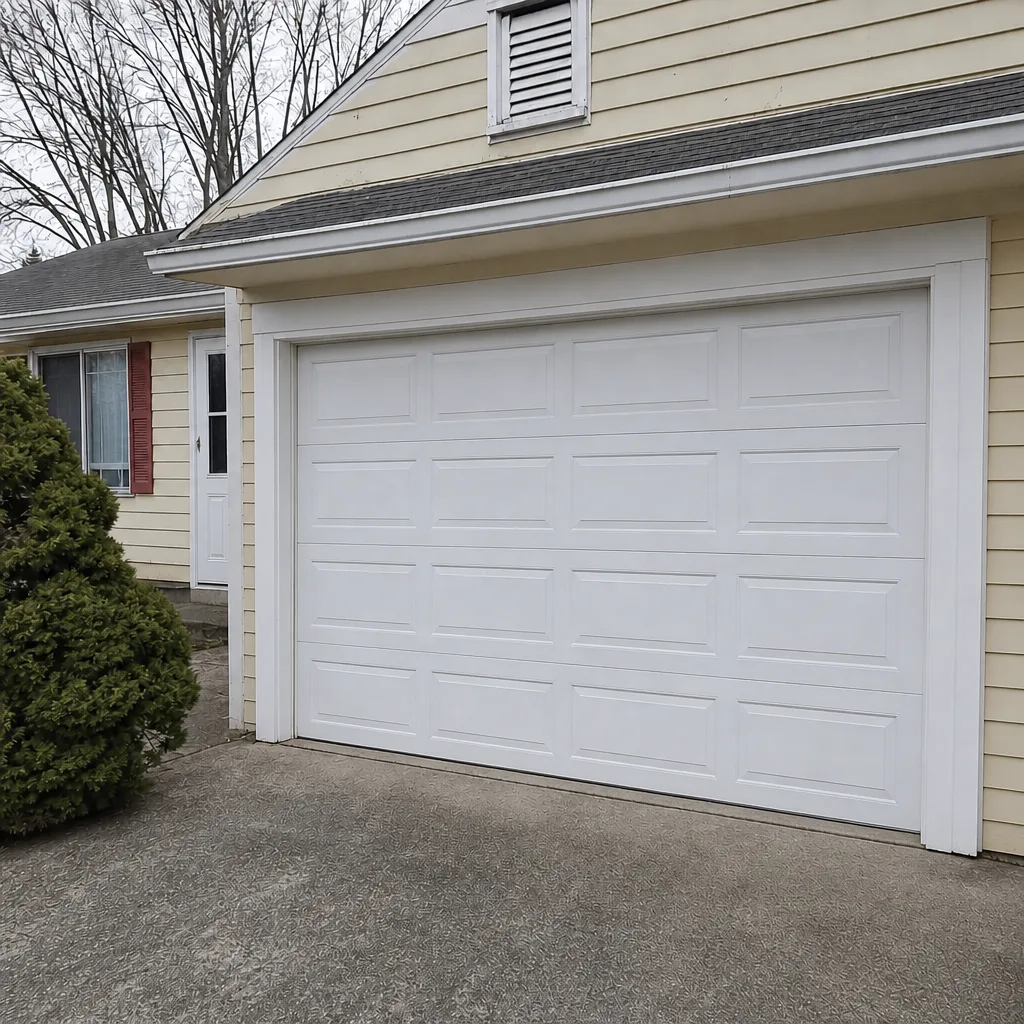 After