Last updated November 23, 2026
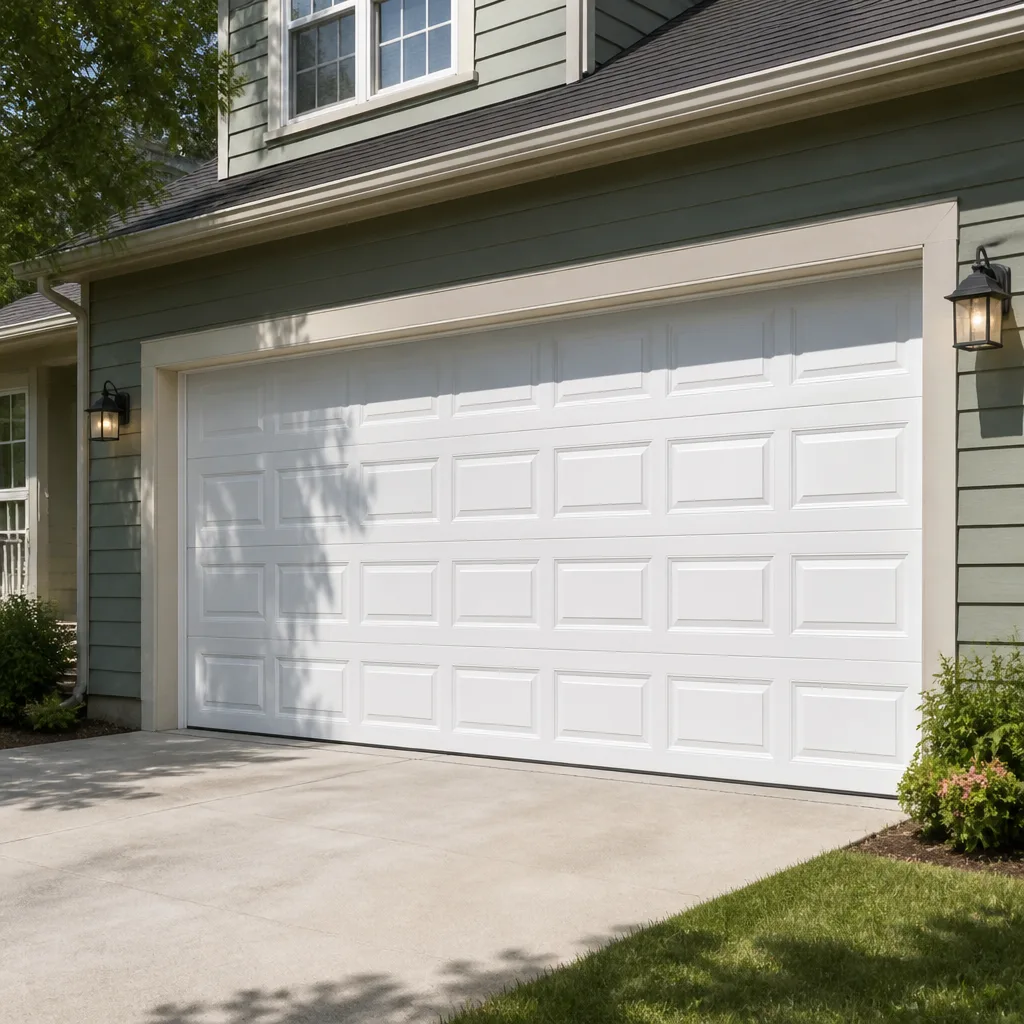 Raised-panel steel
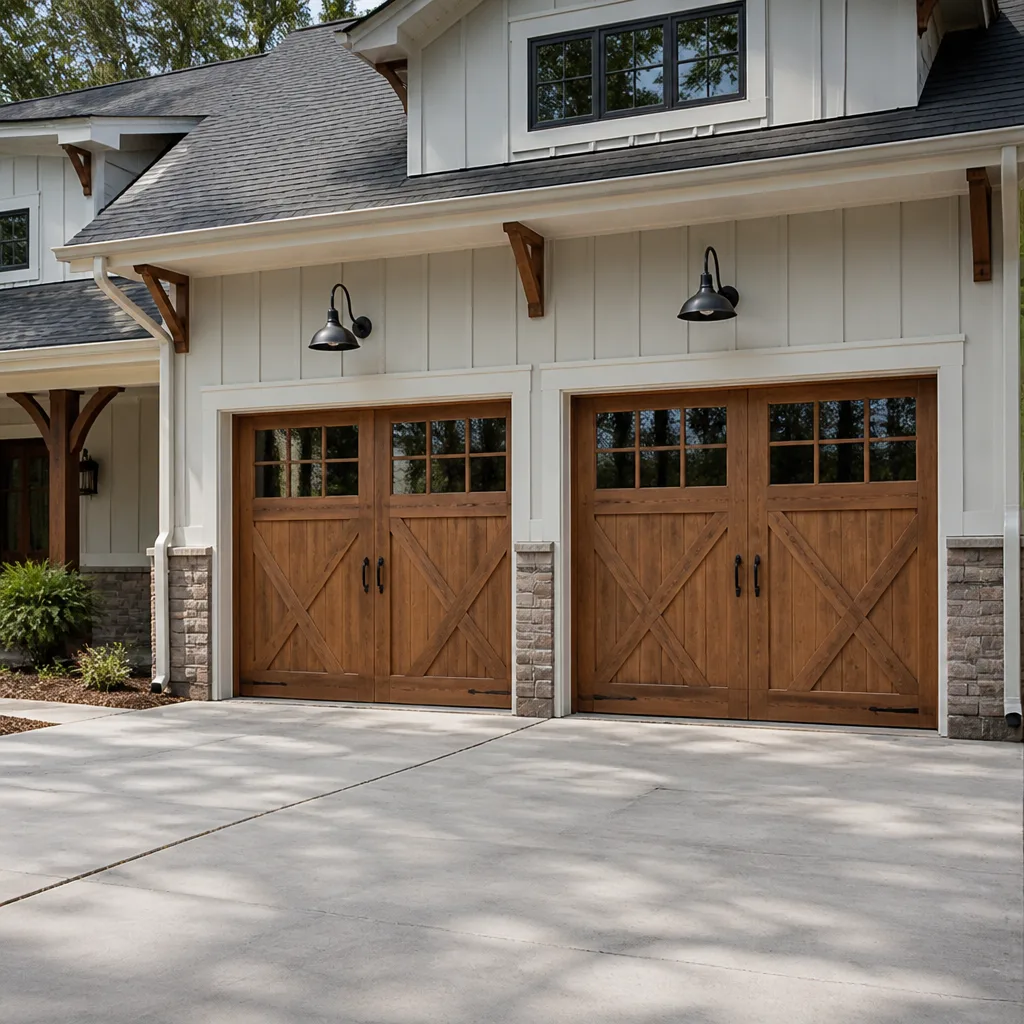 Carriage house
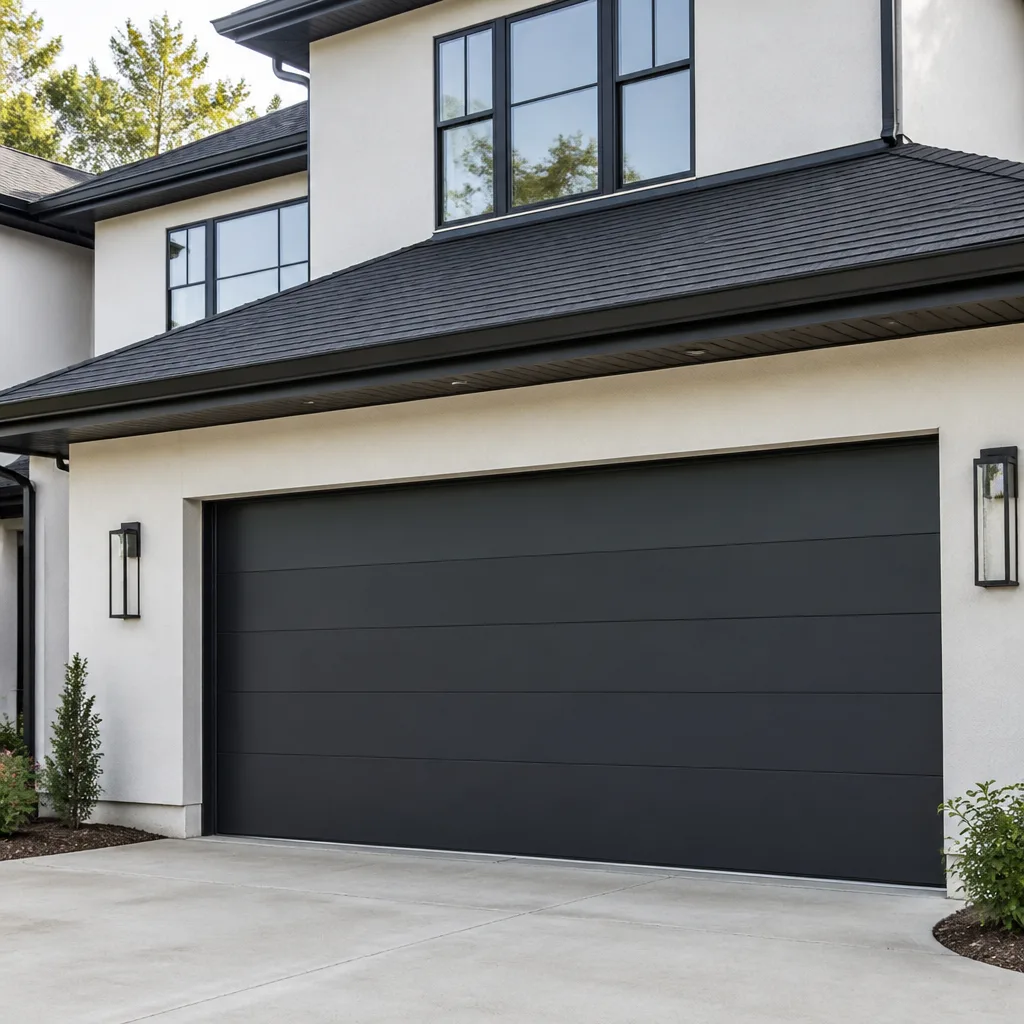 Modern flush
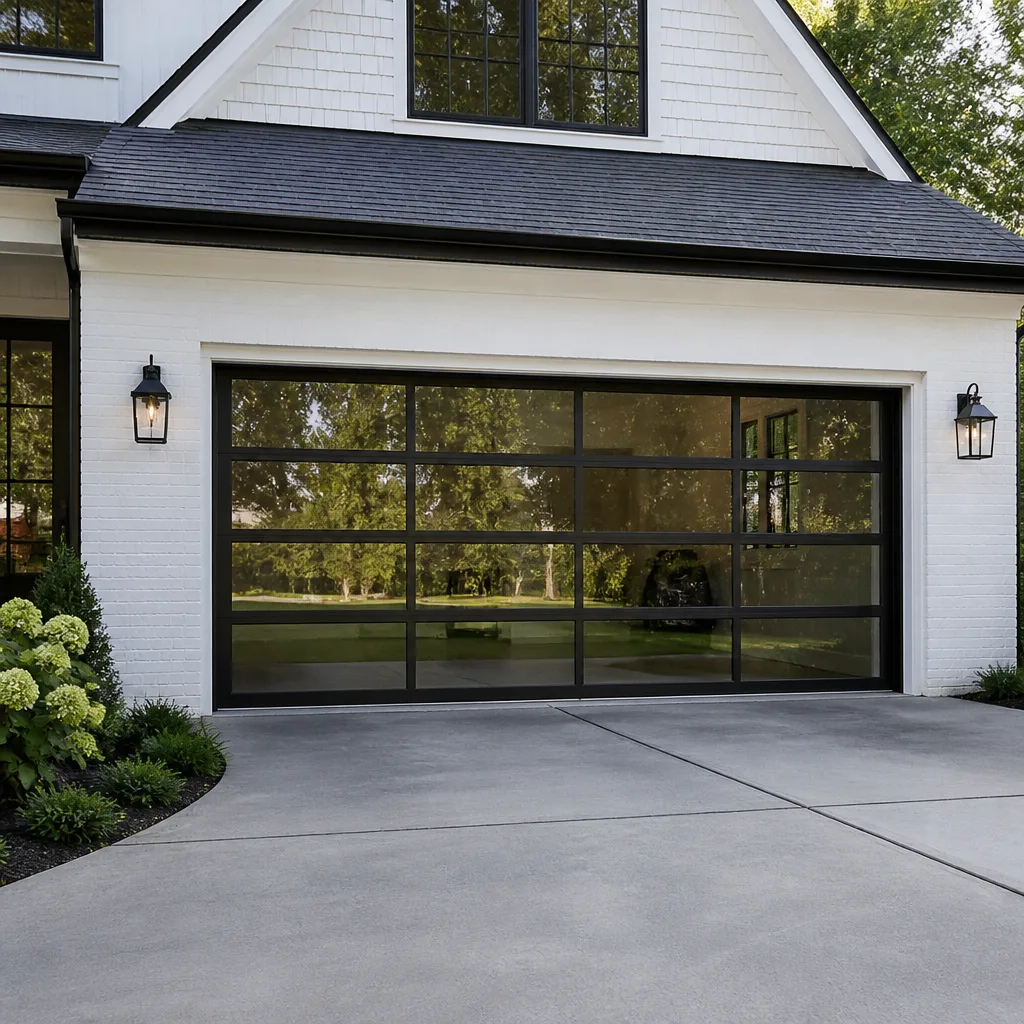 Full-view glass
 LiftMaster openers
 Chamberlain openers
Full 25-point door and opener safety check with every visit - springs, cables, rollers, tracks, and your LiftMaster or Chamberlain opener included
You get a price before we start. It does not change when the pro arrives.
Get your free estimateGarage Door Warning Signs: A Toms River Homeowner’s Reference Guide
Most garage door failures aren’t sudden. A door that snaps a spring, jumps its track, or goes dead on the opener almost always gave weeks of warning first, in sounds, in speed changes, in the way it settled at the bottom. The trouble is that homeowners don’t have a translation guide. A grind sounds like a grind, not a worn bearing. A slight slowdown reads as “normal” until it isn’t. In Toms River, where garages take a beating through humid summers and freezing winters, those quiet signals show up early and often. This guide teaches you to read them, so you can pick up the phone on a Tuesday afternoon instead of on a Friday night when the door won’t move at all.
Quick Answer
The most reliable warning signs of a failing garage door are grinding, popping, or squealing noises during travel, a door that slows or jerks in the middle of its cycle, visible rust streaking or frayed cables, and a door that no longer holds its weight when disconnected from the opener. Any one of these usually points to a specific stressed component: a worn roller, a failing torsion spring, or an opener carrying load it was never built for. Catching them early turns emergency service into a scheduled repair.
Styles & brands we work with
- Raised-panel steel
- Carriage house
- Modern flush
- Full-view glass
- LiftMaster openers
- Chamberlain openers
Table of Contents
- The sound glossary: what grinding, popping, squealing, and rattling each mean
- Speed and motion tells: hesitation, jerking, and mid-travel slowdowns
- Visual warning signs you can check without touching anything
- The disconnect-and-lift test: measuring spring balance before failure
- Rust streaking on hardware: Toms River’s early corrosion indicator
- How Toms River weather stresses a garage door
- Opener warning signs: sounds and behaviors from your LiftMaster, Chamberlain, or Genie
- Timing your repair: when to schedule and when to call it urgent
The Sound Glossary: What Grinding, Popping, Squealing, and Rattling Each Mean
Your ears are the cheapest diagnostic tool you own. A garage door in good health makes a low, steady hum. Any sound that cuts above that hum is a component telling you it’s stressed. Here’s how to translate each one.
- Grinding usually points to worn or dry rollers, a dry torsion tube, or a bearing plate starting to seize. Grinding under load often means metal is meeting metal where a bushing should be carrying the friction. Left alone, it transfers stress to the opener motor and the torsion system.
- Popping or snapping during travel is one of the more serious signs. It can mean a torsion spring is binding or a cable is about to jump its drum. If a pop happens right as the door starts to lift, treat it as urgent rather than “something to look at.”
- Squealing is high-pitched and pitch varies with the door’s speed. It typically signals a dry or glazed roller, or a hinge that has lost its lubrication. Squealing is often the easiest sound to fix, but only because it arrives early.
- Rattling is loose hardware: hinges, brackets, or roller stems. It sounds harmless. Over time a loose bracket shifts where force lands, and the door panel gets the extra load. A Clopay or Amarr panel that suddenly looks misaligned often has a rattling bracket to thank.
- Banging or slamming at the end of a close is the sound of a door slamming onto concrete. It’s rarely a sound problem; it’s a sign the opener’s limit or the spring balance is off.
What separates a mild fix from a real repair is timing. A squeal you catch in week one is a lubrication and roller swap. The same friction ignored for a season becomes a worn torsion tube. If a sound persists for more than two or three door cycles, it’s worth having it looked at before it names itself in the off-hours.
Speed and Motion Tells: Hesitation, Jerking, and Mid-Travel Slowdowns
Watch the door through a full open-and-close cycle. A healthy door moves at a consistent pace from the moment the opener engages. A failing one stutters, races, or slows like it’s pushing through mud. Those are spring and opener signals, and they show up long before a break.
What each motion symptom means
- A door that slows mid-travel: The opener is doing more work than it should. That usually points to a torsion spring losing tension (torsion springs are the springs mounted on a shaft above the door; extension springs run alongside the tracks). As tension fades, the motor has to shoulder the door’s weight. This is the single most common early indicator of spring fatigue we see in Toms River.
- Jerking or stuttering: A door that catches on one side is often a sign of a bent track, a worn roller, or a torsion tube that’s binding. Jerking in one spot every cycle is a mechanical defect, not an opener quirk.
- Racing and slamming: An opener that moves it too fast and drops it hard can be working with an imbalanced door. It can also be a failing motor sensor or a mis-set limit screw.
- One-sided lift: Watch the gap at the bottom corners. If the door raises unevenly on one side, the counterbalance is compromised. That’s a spring or cable sign, not a cosmetic one.
Why this matters before it fails
A spring is a piece of coiled steel under tension. As it fatigues it doesn’t announce itself with a bang until the day it breaks, but the door’s motion gives the game away in the weeks before. When an opener has to compensate, its motor amps go up and its gears wear faster. You often end up paying for a motor that died early because the door it was lifting was already out of balance. Toms River homes with south-facing doors can lose balance faster in the shoulder seasons, so a monthly two-minute watch of the door is time well spent.
Visual Warning Signs You Can Check Without Touching Anything
You don’t need tools to spot a lot of trouble. With the door down and the opener off, do a slow walkaround. You’re looking, not touching. High-tension springs and cables are under load even when the door is at rest, and a wrong touch is how injuries happen. A trained professional has the tools and the training to handle that load; a homeowner does not, and no visual check is worth an ER visit.
- Rust streaking on the torsion tube or springs: Orange-brown trails on the steel mean moisture is on the metal. Rust streaking is an early corrosion sign in Toms River, where humidity in the summer sits on garage hardware for weeks. If rust is only on the surface, a scheduled service catches it. If it’s pitting the torsion tube, the tube itself might need replacing.
- Cable wear: Look at the cables that run from the springs to the bottom brackets. A healthy cable has an even, tight wind of strands. A cable with a kink, a birdcaged section, or fraying near the drum is a failing cable. That’s one to call on rather than ride out.
- Gaps and sagging: Stand back and look at the closed door. A daylight gap at the bottom on one side, or a panel that ripples, can signal a failing spring or a cable that’s lost tension on one side.
- Stretched spring coils: A torsion spring that looks stretched or has a visible gap between coils is losing tension. An extension spring with a stretched gap the length of your thumb is close to its limit.
- Bent track: Even a small dent in a vertical track forces every roller that passes it to fight the rail. Catching a bent track early is usually cheaper than catching it late.
- Hinge hardware and bolts: Look for dry rust dust under a hinge or a bracket that’s walked loose. The dust is metal getting ground away.
A quick photo of each side, taken once a month, gives you a baseline. In our experience, homeowners who do this notice changes a full month before a failure.
The Disconnect-and-Lift Test: Measuring Spring Balance Before Failure
This is the one hands-on test worth knowing, and it’s safe because you’re testing the balance after you disconnect the opener. Do not run this with the opener engaged.
- Close the door. Let it settle fully at the floor.
- Pull the manual release cord. That red handle on the trolley disconnects the opener from the door. The door should then be free to move by hand.
- Lift the door to about waist height. You’re feeling for weight, not lifting fast. A door with healthy spring balance feels light at waist height (in the range of a few pounds of effort) and holds its position when you let go.
- If the door sags or drops, the springs are losing tension. Don’t force it. Move the door back down gently and re-engage the trolley.
- If the door won’t stay up at all, the spring is compromised enough that the door is relying on the opener for every lift. That’s the moment to stop using it except to get it back down and to call for service.
Run the test once a quarter. It’s the single clearest way to measure spring fatigue before it becomes a failure. In Toms River, the shoulder months (early spring and late fall) are the sweet spot for the test, so you catch a weakening spring before either the summer humidity or the first freeze.
Rust Streaking on Hardware: Toms River’s Early Corrosion Indicator
Rust on garage door hardware is often read as cosmetic. In Toms River it’s better read as a schedule cue. A rust streak is where the metal has started to lose its protective coating. The steel underneath can still be sound, but once the coating is gone, the wear process accelerates, especially on the torsion tube, spring coils, and the bottom brackets that sit closest to winter road splash.
What to look for, in order from mild to serious:
- Surface flash rusting on hinges and brackets: The dust is orange and wipes off. This is a maintenance item, not a failure. Grease and a look at the hardware solve it.
- Streaking down the bottom brackets or the track supports: Moisture is getting in regularly. Left alone, the roller stem inside can seize and the door starts to grind.
- Pitting on the torsion tube or the spring coils: This is where surface rust has started eating into the metal. On a torsion tube, that weakens the shaft that supports the whole counterbalance. On a spring, it shortens the spring’s working life. This is the sign to get on a schedule rather than wait.
For a garage door with a Clopay or Wayne Dalton bottom section, the hardware that tends to rust first is the bottom bracket and the roller hinges on the lowest panel. If you keep the garage door hardware lubricated once or twice through the humid season, you’re doing a lot of the preventing yourself. Where rust has moved into the springs, the repair is a garage door spring repair job, not a paint job, and a trained set of hands should make that call.
How Toms River Weather Stresses a Garage Door
Toms River’s climate puts garage door hardware through two distinct stress cycles a year. Summer humidity is the slow burn: moisture in the air settles on bare steel and gets into every hinge pin and bushing. Winter is the sharp test: cold contracts and stiffens the grease, and the freeze-thaw cycle of the ground shifts the concrete the tracks are anchored into. Spring and fall are when the failures surface, often on the first warm day after a cold snap.
What that means for warning signs:
- A door that ran fine all summer starts to sound stiff in January: That’s the grease in the rollers and the torsion tube stiffening. It’s not always a failing part yet, but the added load hits the opener hard.
- A door that jumps the track after a hard freeze: Ground movement, plus a swollen wood frame, can shift a vertical track. The door catches on the way up.
- A spring that breaks the first cold morning of the season: Cold makes steel more brittle. A torsion spring with fatigue from summer already had it coming; the first freeze finishes the job. This is why the balance test matters in the fall.
We see the same pattern in Toms River every year, and it’s one of the reasons we push early detection: the fall test often finds the spring a week or two before the first freeze would have broken it, turning a morning emergency into a scheduled repair.
Opener Warning Signs: Sounds and Behaviors from Your LiftMaster, Chamberlain, or Genie
The opener is the easiest part of the system to blame and the easiest to misdiagnose. A motor that hesitates is often reacting to a door that’s gotten heavier, not a motor on its way out. Brand matters here: the diagnostics on a LiftMaster, a Chamberlain, or a Genie each behave a little differently, and the quirks of a Craftsman opener aren’t identical to those of a Raynor installation.
- Motor buzzes but the door doesn’t move: If the opener runs but the door stays put, the operator is disconnected from the door or the trolley is jammed. Don’t keep cycling it; you’re burning motor duty cycles for nothing.
- Opener runs briefly and reverses: On a modern LiftMaster or Chamberlain, the safety sensors are the first thing to check. A misaligned beam or a dusty lens stops the cycle almost immediately.
- Door stops short on the way up: On a Genie or Craftsman unit, a mis-set travel limit is the usual culprit, but a door that’s gotten heavier can trip the current sensor on any brand.
- Repeated beeping before a close: That’s the opener’s safety system doing its job, but a door that needs an extended warning is often a door that’s sagging or sluggish. Get eyes on the balance, not just the opener.
- Lights flicker, motor strains, or you hear a high-pitched whine from the motor housing: It could be a capacitor or a gear, or it could be a motor doing too much work. This is where the door-to-opener relationship has to be checked as a whole.
If the symptoms point at the operator, our garage door opener repair team can diagnose the opener and the door together, which is the only way to know which one is actually at fault. We’re certified to service the major brands so the diagnosis doesn’t start with a shrug.
Timing Your Repair: When to Schedule and When to Call It Urgent
Not every warning sign is urgent. Some are, “put it on the schedule.” Some are, “call this morning.” Getting the distinction right is what saves you from both overpaying for an emergency call and paying for a broken panel.
Schedule it (within a week or two):
- Grinding, squealing, or light rattling that’s new but hasn’t changed the door’s motion.
- Surface rust on hinges or brackets that hasn’t pitted the springs or torsion tube.
- A slight speed change in the door that the opener is still handling.
- A door that’s begun settling unevenly at the bottom but still opens and closes.
Treat as urgent (call today):
- A popping or snapping sound that repeats during travel.
- A door that won’t hold waist height on the manual lift test.
- A frayed or kinked cable, or a cable that’s jumped its drum.
- A door that’s off its track, crooked, or wedged.
- A spring that’s visibly stretched or already broken.
Torsion and extension springs are under high tension even when the door is at rest. That’s why we don’t walk anyone through a DIY spring replacement, and why we’d rather send a trained technician out to a door that’s still working than coach a homeowner into a repair that can seriously injure them. If you’re in the “urgent” list, call us; that’s what Toms River Garage Door Repair Pros exists for. If you’re in the “schedule it” list, a routine appointment is all you need.
Common Mistakes to Avoid
- Waiting for the door to stop working before calling. The whole point of warning signs is that you don’t have to wait. A door that grinds for a month is telling you the repair is coming; paying for it early is almost always the version that costs less.
- Trying to fix a high-tension spring yourself. A torsion spring stores more energy than a homeowner should be near during removal. If the repair involves a spring or cable, that’s a trained-technician job. The risk isn’t hypothetical; it’s the most common serious DIY injury in this trade.
- Spraying WD-40 on every hinge and calling it maintenance. A little proper lubricant on hinge pins and roller stems is fine. Saturating the torsion tube or the cables isn’t, and it can wash out the grease that’s actually protecting the shaft.
- Blaming the opener for a door problem. If the door has lost its balance, a new motor is a short-lived fix. Have the door tested before you buy parts for the opener.
- Ignoring rust streaks in Toms River’s humid season. Surface rust on hardware is a heads-up. Pitting rust on a torsion tube or spring means the steel is weakening, and the next freeze gets closer to breaking it.
- Using the manual release and forgetting to re-engage the trolley. Test the door by hand, then re-engage the trolley before you use the opener again. Running the opener with the trolley disconnected can burn the motor.
- Assuming every brand behaves the same. A Genie’s limit settings, a LiftMaster’s safety sensors, and a Chamberlain’s travel behavior each have their own diagnostics. Brand-blind troubleshooting burns time and sometimes parts.
See the difference
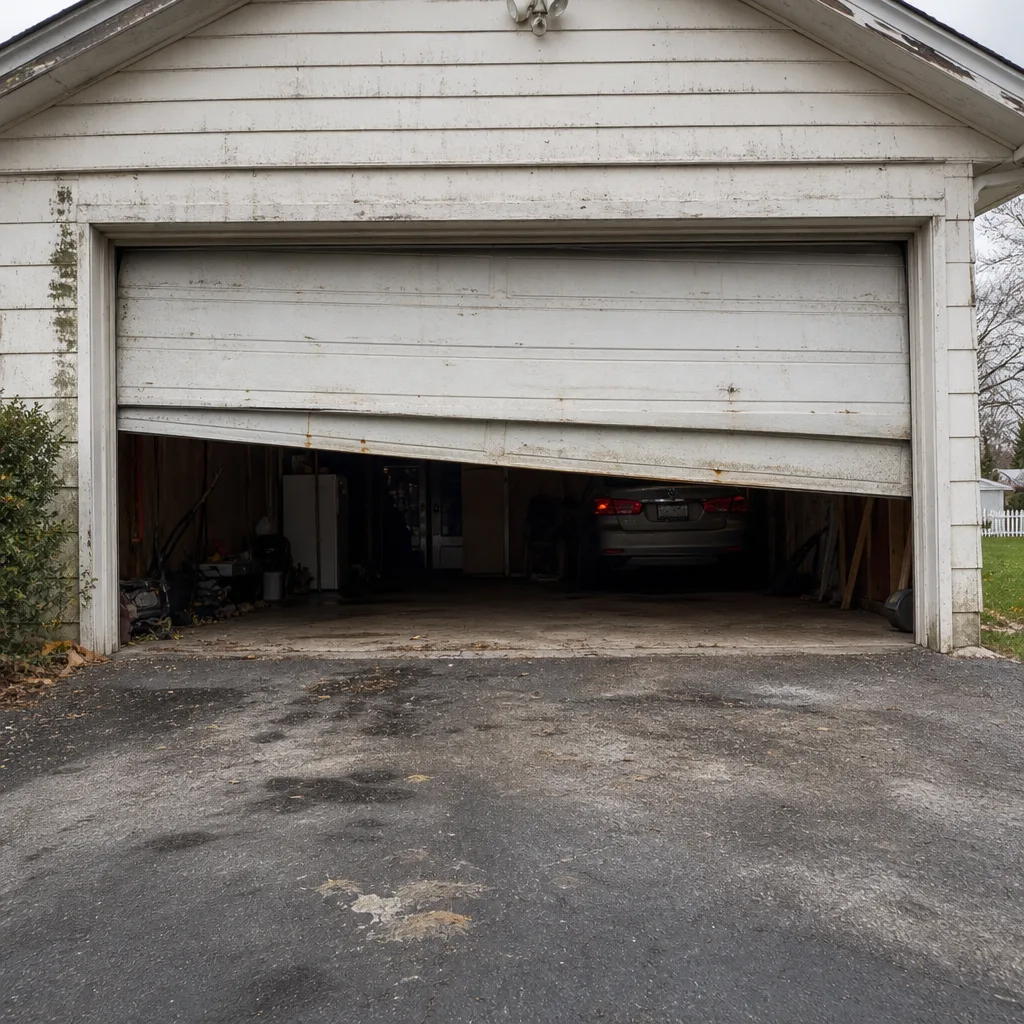 Before
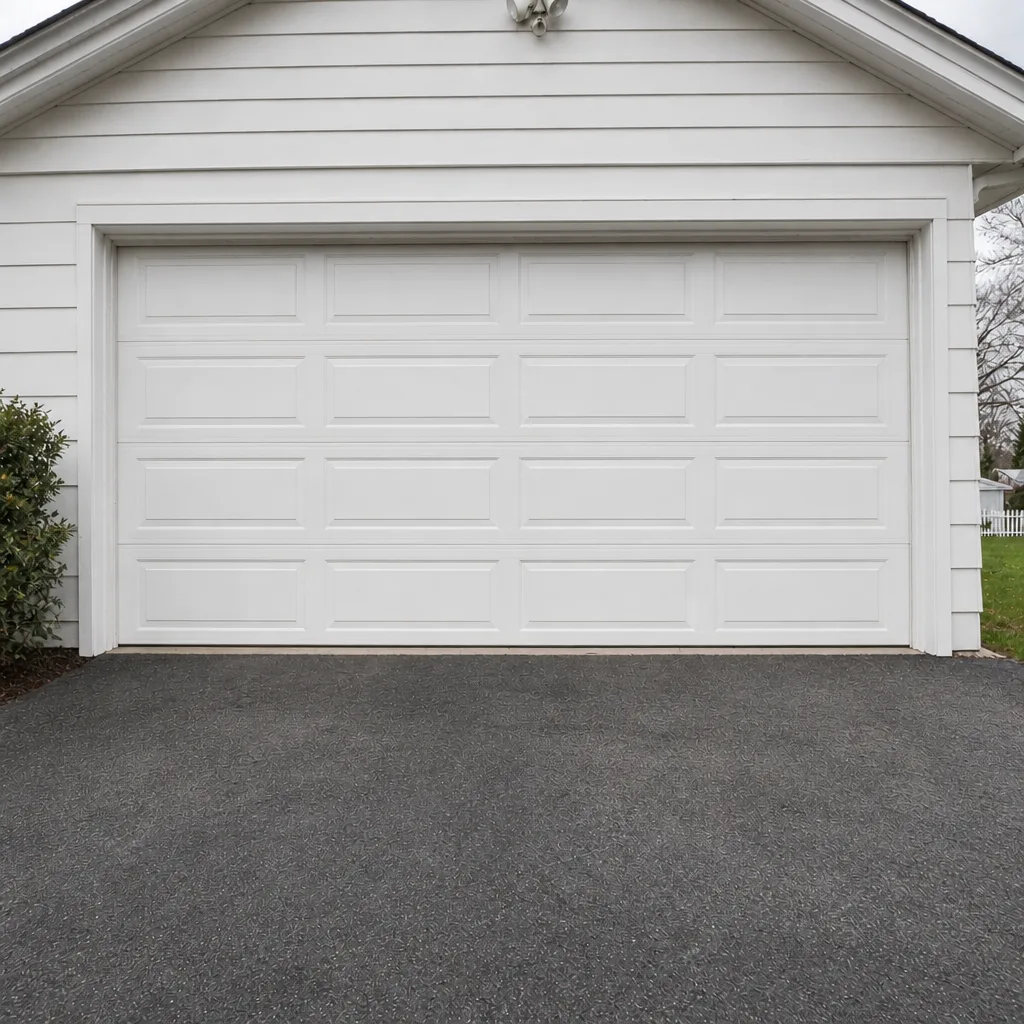 After
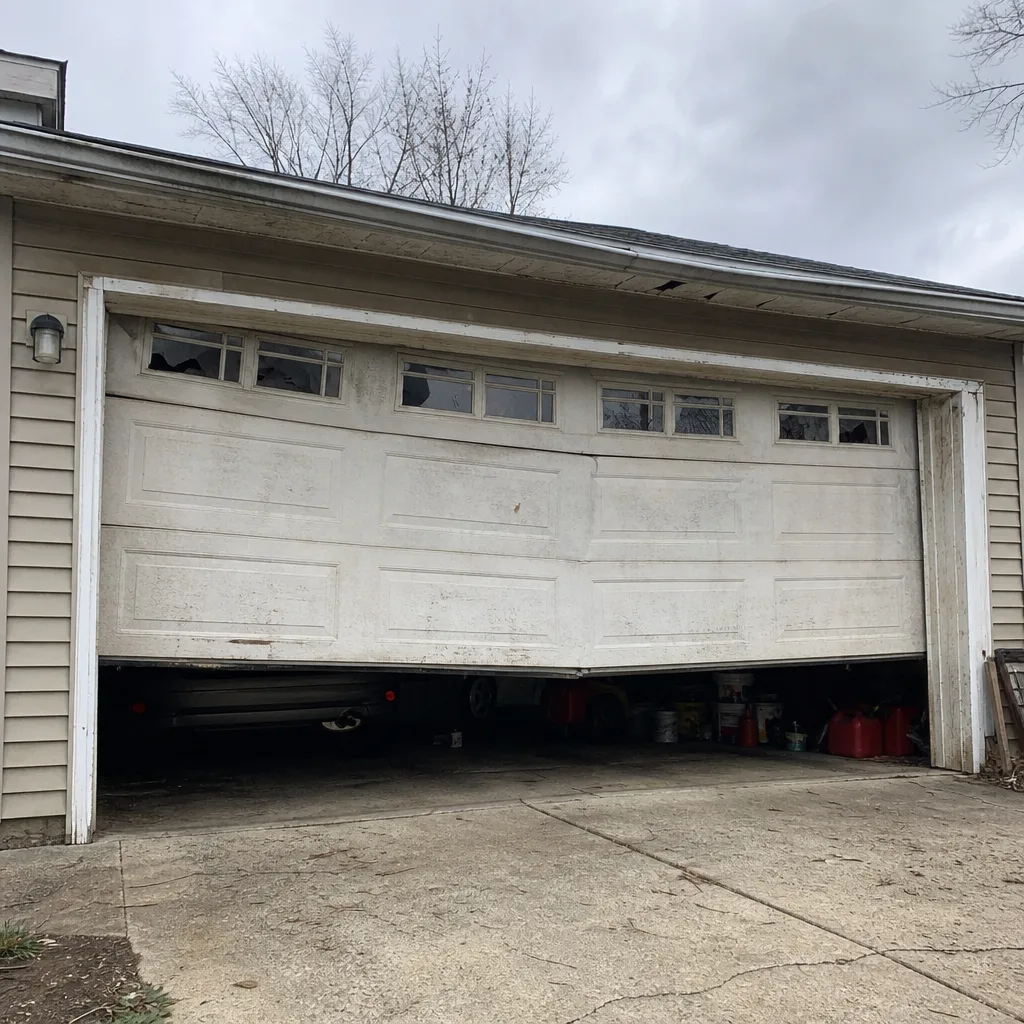 Before
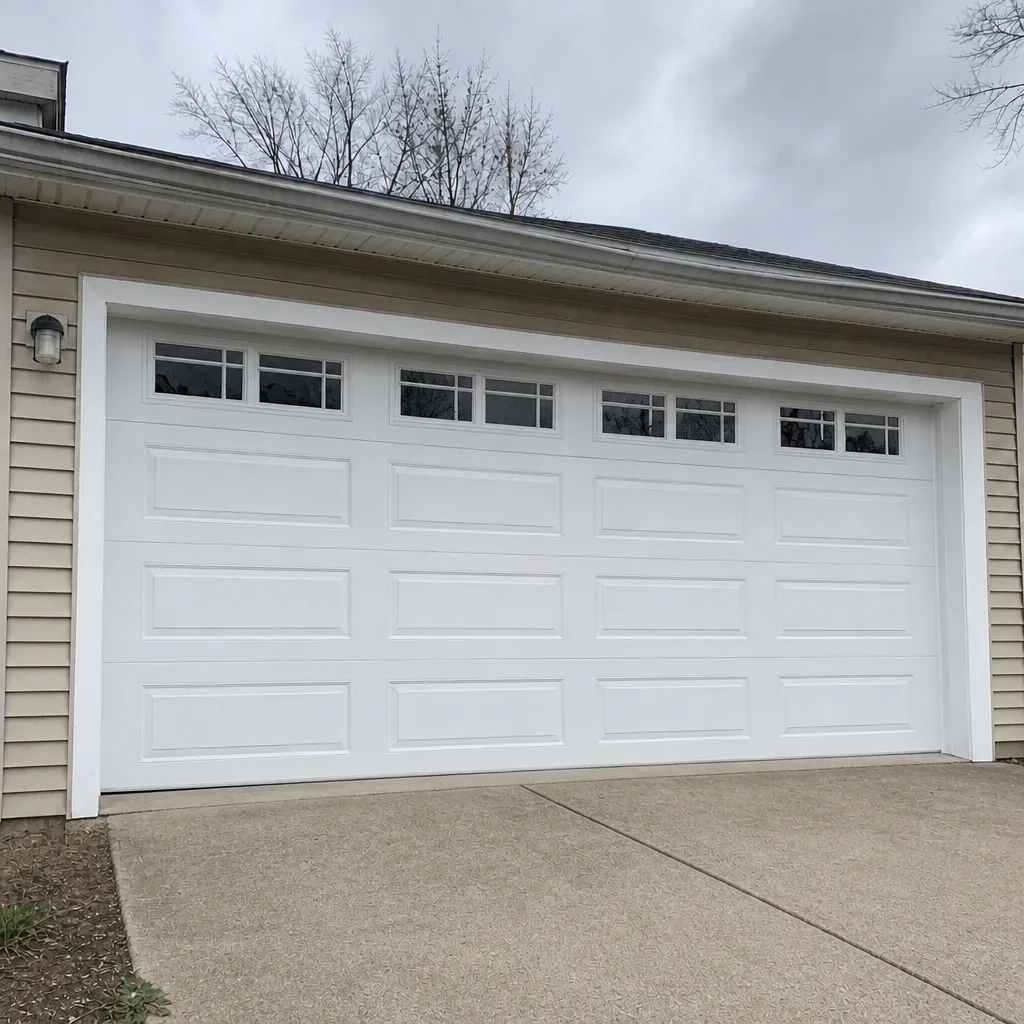 After
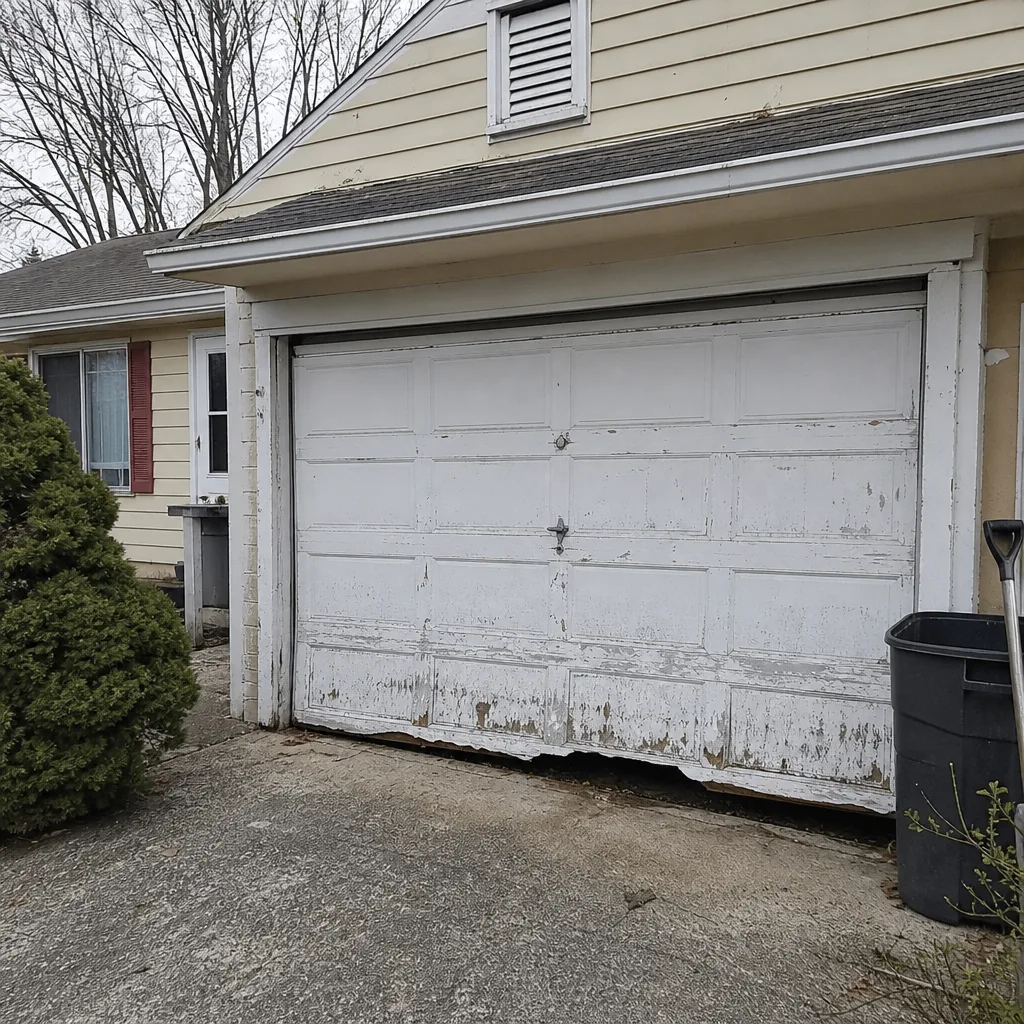 Before
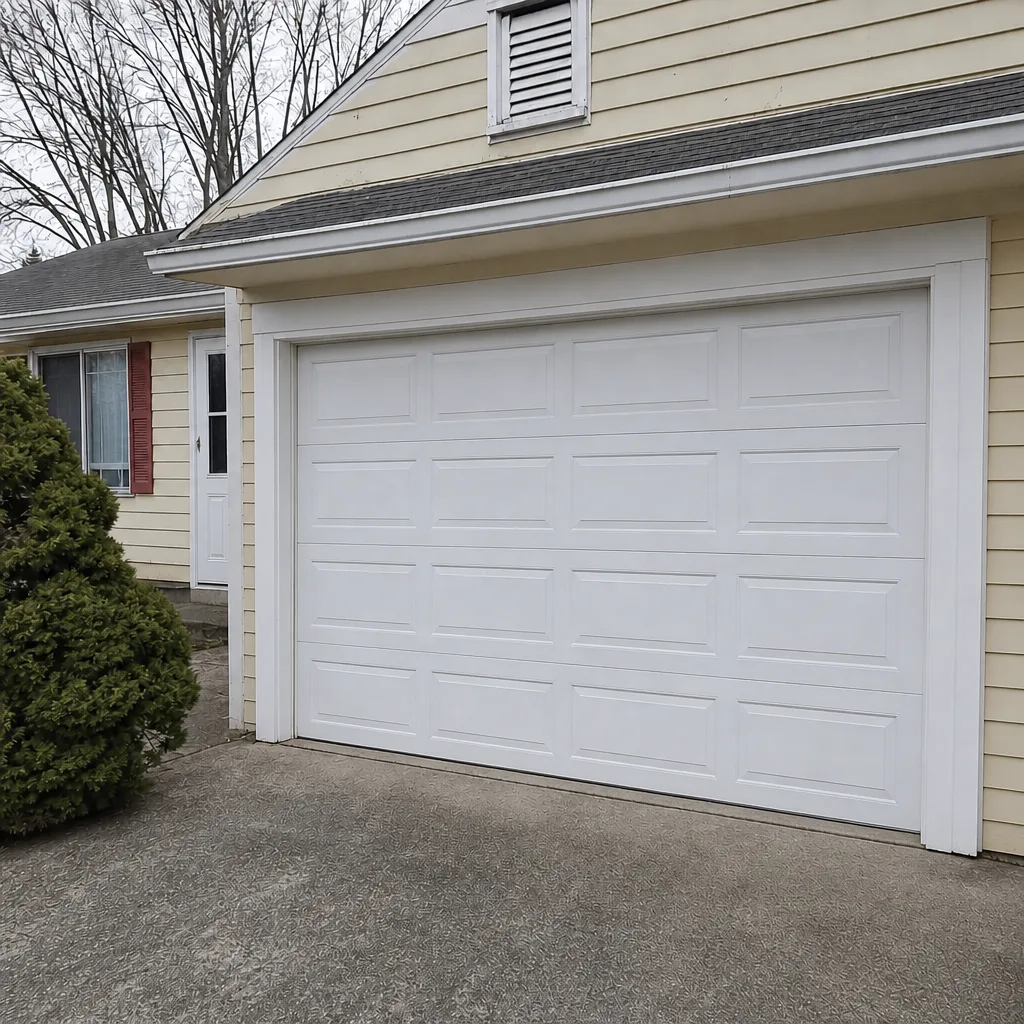 After
When to Call a Professional
Call a professional when the warning sign lands in one of the categories that puts the load on high-tension parts: a broken or visibly stretched spring, a frayed or jumped cable, a door that won’t hold its position on the balance test, a door that’s gone off its track, or a popping sound that repeats. Call too when the opener diagnosis is unclear, when the door and the operator disagree, or when a Clopay, Amarr, Wayne Dalton, or Craftsman door has started to settle unevenly and you don’t want to guess at the cause. For a garage door repair on any of those, or for a full inspection and written price on a door that’s only starting to show symptoms, our team is ready. Toms River Garage Door Repair Pros offers free estimates in Toms River and prices every job in a written estimate before any work begins. Call (855) 726-7559.
Frequently Asked Questions
The most common early sign is a change in the door’s sound or speed during travel, most often a slight slowdown or hesitation that the opener is covering. A door that used to hum starts to grind or slow down before anything breaks. If you notice a persistent new sound for more than two or three cycles, get it looked at. Call (855) 726-7559 for a free estimate.
A spring close to failing usually shows up as a door that won’t hold its position when disconnected from the opener, or a stretched gap in the coils. If the door sags or drops during the manual lift test, the spring has lost tension and you should stop using the opener. Springs are under high tension, so don’t attempt a replacement yourself. Call (855) 726-7559 and we’ll send a trained technician out.
Grinding usually means metal is grinding on metal where a bushing or roller should be carrying the friction, most often a dry torsion tube, a worn roller, or a bearing plate starting to seize. The fix is typically a lubrication and roller service if caught early. If the grind continues under load and hasn’t changed in weeks, the torsion system needs a look. Call (855) 726-7559 for an assessment.
Surface rust on hinges and brackets is a maintenance item, not a replacement signal. Rust that has started to pit the torsion tube or the spring coils is a different story: the steel is weakening. Have the springs and tube inspected before the next freeze. Call (855) 726-7559 to schedule an inspection.
Yes, as long as you disconnect the opener first and don’t touch the springs or cables. Pull the manual release, lift the door to about waist height, and let go. A balanced door stays put; a door that sags or drops has lost spring tension. Run it once a quarter. If the door won’t hold, stop using the opener and call (855) 726-7559 for a free estimate.
If the signs are mild (light grinding, surface rust, a small speed change the opener still handles), a week or two on the schedule is fine. If you’re hearing a repeating pop, seeing a frayed cable, or the door won’t hold its balance, stop using it beyond getting it down to the ground and call the same day. Call (855) 726-7559 and we’ll tell you how urgent it sounds.
The Bottom Line
A garage door tells you it’s failing well before it fails. The motor overhearing a grind, a door that slows through the middle of a cycle, rust streaking down hardware that used to be clean: those are the early chapters, not the finale. The balance test, the sound glossary, and the brand-aware opener check are how you translate them. Catch the signs on a Tuesday and pay for a scheduled repair. Miss them until the first cold morning and pay for an emergency. In Toms River, either way, we’re here for it.
Ready to have a warning sign looked at before it becomes a breakdown? Toms River Garage Door Repair Pros offers free estimates in Toms River, prices every job in writing before any work starts, and never hands a job off to a second contractor. Call (855) 726-7559.
Written by the team at Toms River Garage Door Repair Pros.