Last updated November 23, 2026
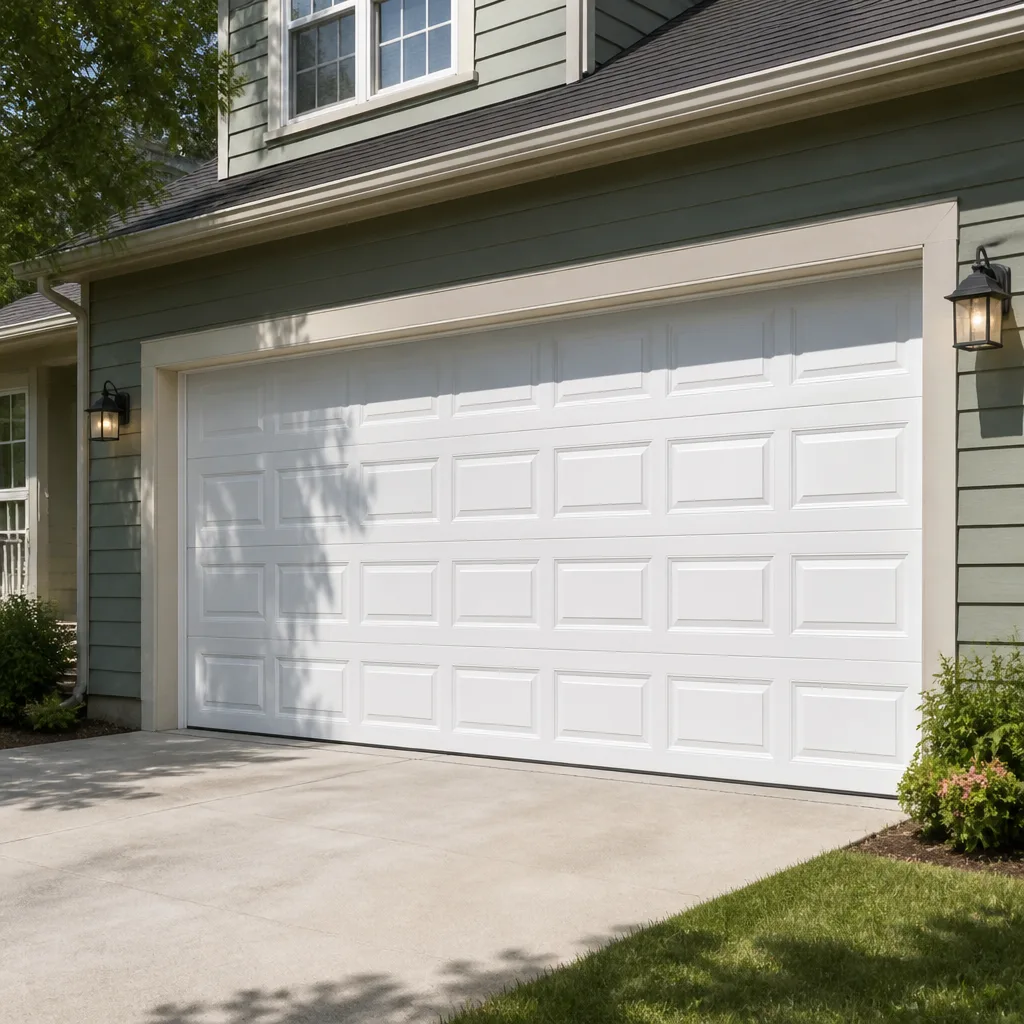 Raised-panel steel
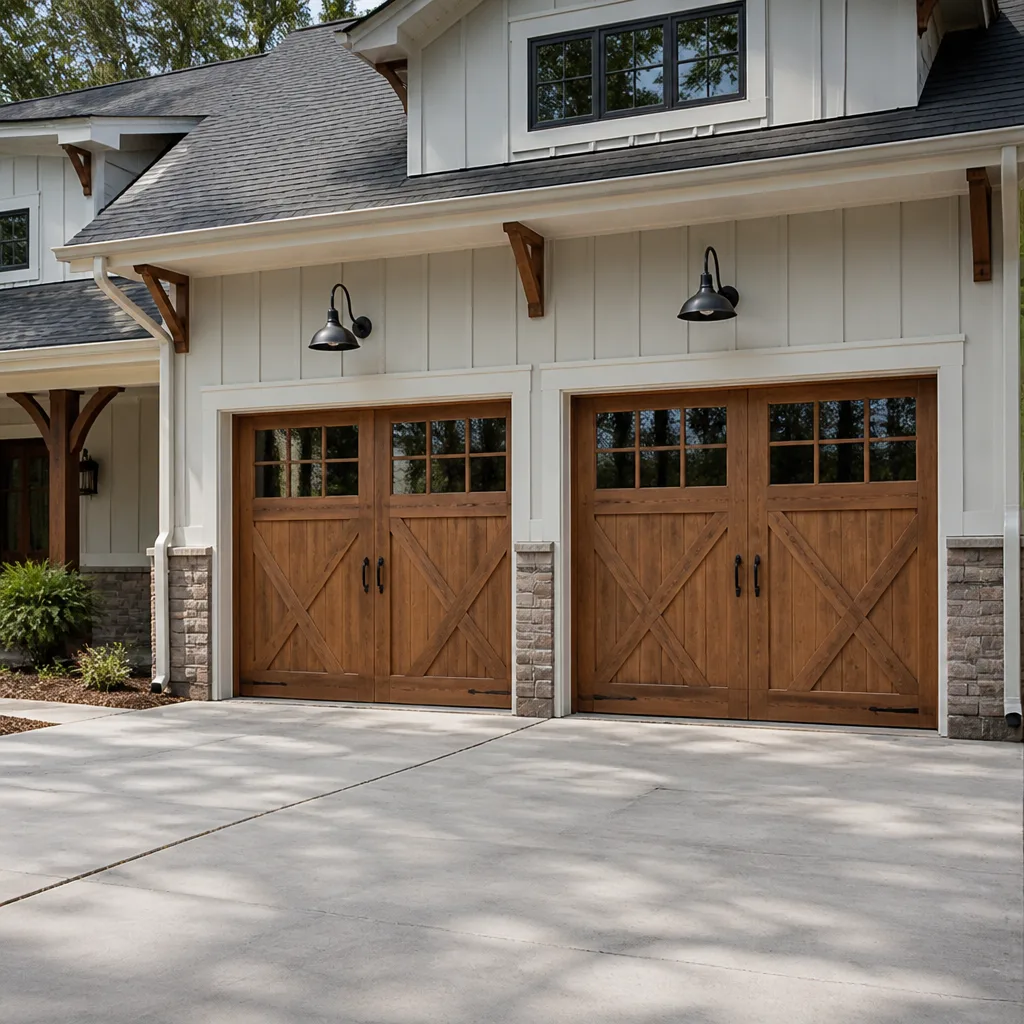 Carriage house
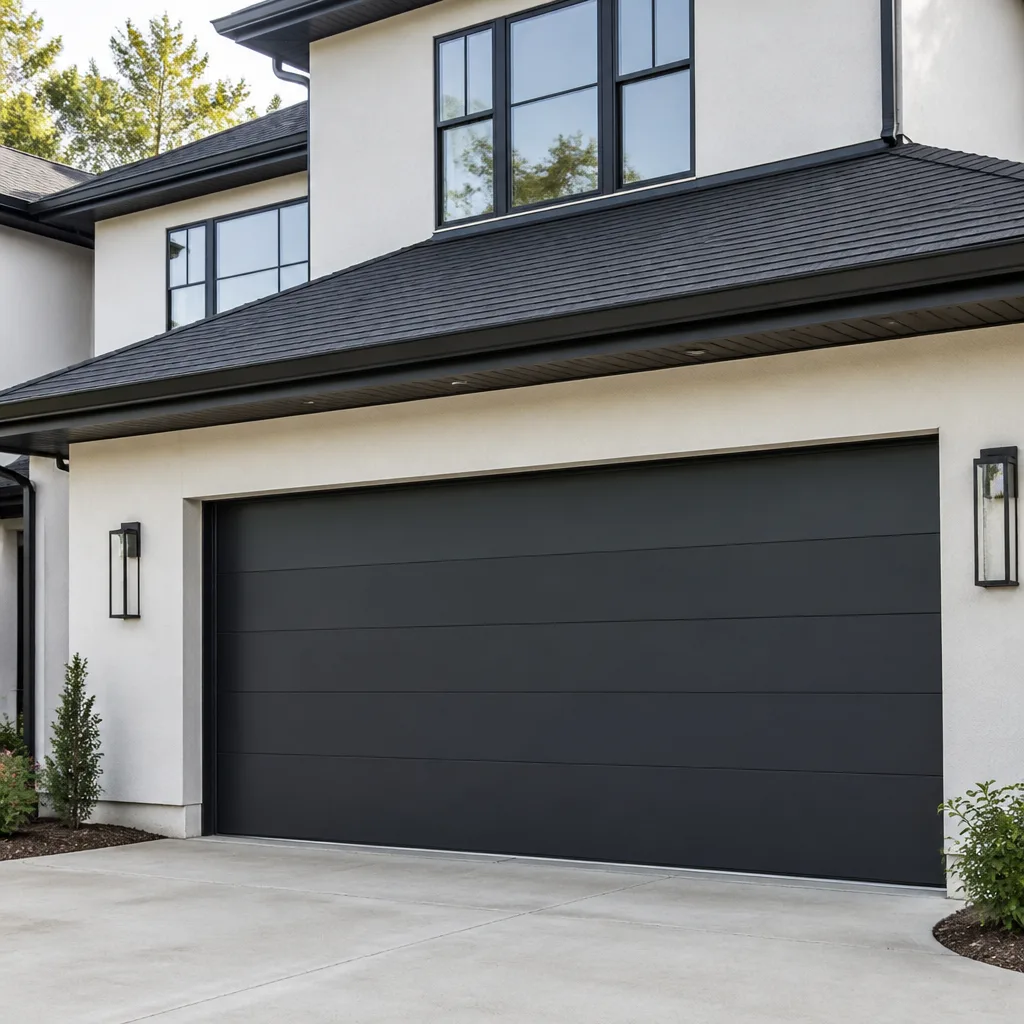 Modern flush
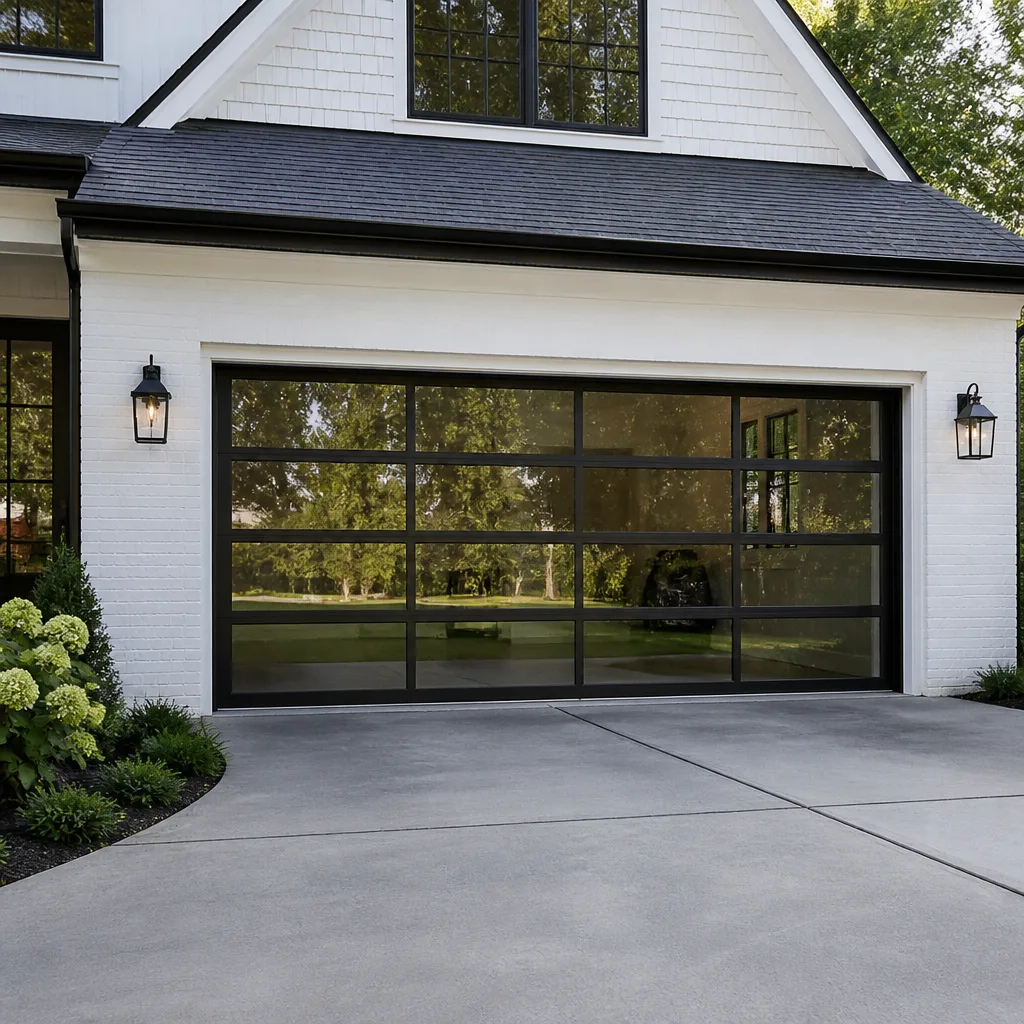 Full-view glass
 LiftMaster openers
 Chamberlain openers
Full 25-point door and opener safety check with every visit - springs, cables, rollers, tracks, and your LiftMaster or Chamberlain opener included
You get a price before we start. It does not change when the pro arrives.
Get your free estimateDIY vs Professional Garage Door: The Toms River Homeowner’s Decision Guide
Lubricating your hinges is completely safe to do yourself. Adjusting torsion spring tension with a winding bar is not, and the gap between those two tasks isn’t obvious from a YouTube thumbnail. Most DIY-versus-pro advice treats garage door work as a single decision, which is why homeowners either avoid touching a door that only needs a squirt of lubricant or, worse, tackle a spring that stores enough energy to break a wrist. This guide breaks garage door work into three honest tiers based on injury risk, tools, and skill, so you can decide what to handle and what to hand off. If you live in Toms River, the local climate and housing stock shape some of those calls too.
Styles & brands we work with
- Raised-panel steel
- Carriage house
- Modern flush
- Full-view glass
- LiftMaster openers
- Chamberlain openers
Quick Answer
Routine maintenance, sensor alignment, track wiping, and opener remote pairing are safe for most homeowners to do themselves. Spring replacement, cable work, panel replacement, and opener gear-and-rail repairs carry real injury risk or require calibrated tools and belong with a trained garage door technician. A one-time professional tune-up or repair in Toms River typically runs less than the cost of buying the specialty tools you’d need for the risky tier, and it comes with a written estimate before anyone touches the door.
Table of Contents
- The Three Risk Tiers of Garage Door Work
- Tier 1: Homeowner-Safe DIY Tasks
- Tier 2: DIY With Real Risk
- Tier 3: Professional-Only Work and Why
- The Physics of a Torsion Spring
- Tools: Buying vs. Calling
- Liability and Warranty in New Jersey
- The Middle Path: Prep Work That Saves Money
- Common Mistakes to Avoid
- When to Call a Professional
- Frequently Asked Questions
- The Bottom Line
The Three Risk Tiers of Garage Door Work
Garage door systems aren’t one machine. They’re a stack of subsystems: the door panels, the torsion or extension spring assembly, the cables and drums, the tracks and rollers, the hinges, and the opener. Each subsystem carries a different risk if you get it wrong. That’s why sorting tasks by subsystem first, then by risk, gives you a cleaner decision than asking “should I DIY my garage door?” as a single question.
Here’s how we sort every task that comes into a Toms River service call:
- Tier 1 – Homeowner-safe. Lubrication, visual inspection, sensor alignment, remote and keypad pairing, wiping tracks and photo-eye lenses. No stored energy, no specialty tools, no calibration.
- Tier 2 – DIY with real risk. Roller and hinge swaps, minor track nudges, opener force and travel limit adjustments. Doable, but a mistake shortens component life or leaves the door unbalanced.
- Tier 3 – Professional-only. Spring replacement, cable and drum work, panel replacement on a tensioned door, and any opener repair that requires opening the housing. Stored energy or electrical components are involved.
Where a task lands matters in Toms River just as much as anywhere else. Doors on the barrier-island side of town, the older stock near downtown, and the newer four-car garages out in the western sections all share the same tensioned-spring physics. The zip code doesn’t change what a spring will do to your hand if it lets go.
Tier 1: Homeowner-Safe DIY Tasks
Tier 1 covers the work that keeps a door running longer without any risk to your body. These are the tasks worth doing yourself, and doing them consistently is the single best way to extend spring, roller, and opener life. In our experience, a door that gets lubrication and sensor checks a couple of times a year goes far longer between major repairs than one that gets nothing.
The complete Tier 1 list:
- Lubrication. White lithium grease or a silicone spray on hinges, rollers, and the torsion bar bearings. Never on the tracks themselves, which collect grime if greased.
- Sensor alignment. The two photo-eye lenses at the bottom of the tracks need to line up. If the door reverses on its own, a bumped sensor is the usual culprit.
- Remote and keypad pairing. On a LiftMaster, Chamberlain, Genie, or Craftsman opener this is a manual-and-two-minute job. No tools.
- Visual inspection. Cracked rollers, frayed cables, dented panels, loose bolts. Knowing what a healthy door looks like is what lets you catch problems early.
- Track wiping. A damp cloth removes dust. Never lubricate the tracks.
- Obstruction clearing. Branches, stored items, and seasonal debris. The door should reverse with light resistance on contact.
If your door fails any of these checks and won’t respond to adjustments, that’s the cue to shift from DIY to a professional call. A stuck door that won’t reverse safely is worth a diagnostic visit rather than another afternoon of trial and error. That’s the point where you want to sort out the opener separately, and our team handles garage door opener repair for every common brand.
Tier 2: DIY With Real Risk
Tier 2 is where most DIY advice goes wrong. These tasks are technically doable, but the risk isn’t a scratched panel. It’s a door that comes off its tracks, a roller that pops out under load, or an opener that runs past its travel limit and drives the door into the header. The question isn’t “can I do it,” it’s “will I know if I got it wrong before something breaks.”
What’s in Tier 2:
- Roller replacement. Low physical risk when the door is fully raised and the spring is relaxed. The trap is a door with a broken spring, where the panel may not stay up. If any spring is broken, don’t pull rollers.
- Hinge replacement. Similar to rollers. Hinges at the bottom of the door carry more load than hinges near the top, and picking the wrong gauge shortens door life.
- Minor track adjustment. A gentle tap on a slightly bowed track can be done with the door down and spring relaxed. Forcing a badly bent track back into place is how doors leave the tracks.
- Opener force and travel limit adjustment. Real risk here. Too much force and the door won’t reverse on obstruction. Too little and it reverses mid-cycle. The manual tells you the right sequence; the wrong sequence can damage the opener’s logic board.
Where the risk is real, a trained technician catches mistakes on the visit. In Toms River we see plenty of doors that have been jogged a quarter inch off the tracks so many times that the whole system is out of square. The repair cost goes up in proportion.
Tier 3: Professional-Only Work and Why
Tier 3 is the set of tasks we consider genuinely unsafe for a homeowner, even a capable one. It’s not because the person isn’t smart enough. It’s that the components store energy in ways no other part of a house does, and no amount of reading substitutes for hands-on training with the right tools. Our technicians have up to 14 years of experience precisely because this work takes years to learn safely.
The Tier 3 list, with the reason:
- Torsion spring replacement. Stored rotational energy. Requires winding bars, a calibrated release sequence, and physical positioning to stay out of the line of release.
- Extension spring replacement. Similar risk profile. Extension springs on older doors need the safety cables in good condition before anything is touched.
- Cable and drum work. Cables are under tension whenever the spring is tensioned. A cable that slips off the drum can whip with force.
- Panel replacement on a tensioned door. The panel removal sequence depends on the door’s spring tension and the panel’s position. Get it wrong and the door drops.
- Any opener repair that opens the housing. Capacitors can hold a charge after power-down. The logic board and gear assembly need proper handling.
- Safety reverse system failure. If the door doesn’t reverse on obstruction, the fix is in the opener or the spring tension and belongs with a technician.
If any of these is the issue, that’s the moment to stop. A spring on a door in Toms River that’s been under load for years doesn’t get safer with time. That’s why “Spring failures don’t wait for a convenient time” is more than a slogan in our shop. It shapes how we book the day. If you suspect a spring is failing, the right first step is garage door spring repair from a technician trained on the exact brand and tension system on your door.
The Physics of a Torsion Spring
The reason spring work sits alone in Tier 3 is that a torsion spring stores energy in a way nothing else in a home does. The best comparison isn’t “it’s like a big version of a screen door spring.” It’s a coiled metal bar tensioned to lift a two-hundred-plus pound door for thousands of cycles. That energy doesn’t dissipate the moment the spring looks broken. It’s still loaded.
Three things a homeowner needs to understand about the spring system:
- The spring is loaded when the door is down. Which means a broken spring that “looks safe” is exactly the moment the stored energy is at its most aggressive. Opening and closing a door on a broken spring is how other components fail too.
- It’s not a tactile risk like a sharp blade. It doesn’t warn you before it releases. A torsion spring that lets go does so with force you can’t catch or redirect.
- “I watched a video” only shows the correct sequence on a working spring. The video doesn’t show what happens when the winding bars aren’t seated, the wrong manual was used, or the door is a Wayne Dalton or Raynor model with a different geometry than the video star’s door. Brand-specific tension sequences matter.
A serious spring release is a medical emergency, not a “walk it off” moment. That’s why our answer to “can I DIY spring replacement?” is always no. The right path for a spring problem in Toms River is a technician on site with proper winding bars and a written estimate before any work starts.
Tools: Buying vs. Calling
Here’s an angle most DIY-versus-pro articles skip: the tools have a price, and that price is worth comparing to a service call before you decide. A competent DIYer in the Tier 1 and Tier 2 range needs a modest set. A DIYer attempting Tier 3 needs a set that costs more than one service call, plus the physical training to use it.
What Tier 1 and Tier 2 actually require:
- White lithium grease or silicone spray – small outlay.
- An adjustable wrench and a socket set – likely already in your toolbox.
- A stepladder – likely already owned.
- A level – cheap.
- A helper for hinge swaps – free.
What Tier 3 requires:
- Winding bars. Sized for the spring on your door. The wrong diameter bar can slip.
- A calibrated spring gauge. Needed to check tension after installation.
- Vice grips and cable grips. For cable and drum work.
- A safe release position. Not a tool, but it matters as much as any of the above.
Add up the Tier 3 tools and the honest math is clear: buying them for a single spring replacement in Toms River costs more than a professional service call, and you still don’t have the training. Our technicians already carry these tools on every job. That’s part of what the estimate covers. A typical spring repair estimate in Toms River sits in the $180-$340 range for a single spring, and a matched pair (the usual scenario on a spring replacement) runs about twice that. The written estimate from your technician sets the final price before any work begins.
Liability and Warranty in New Jersey
New Jersey’s liability picture is simpler than most homeowners expect, but it’s worth knowing before you decide what to touch. The garage door itself doesn’t carry a state-level inspection requirement on owner-occupied homes. The consequence shows up in two places: your homeowner insurance and the door or opener manufacturer’s warranty.
How each is affected by DIY work:
- Manufacturer warranty. If you replace a spring, adjust the opener’s force limits outside the manual’s stated sequence, or modify the door’s hardware, the manufacturer may void the remaining warranty on the affected components. That’s not just a NJ thing, but the trigger is the same nationally.
- Homeowner insurance. A door that falls or a spring that releases inside your own home is generally handled like any other injury or damage claim. What changes the picture is when the door is out of adjustment and hits a person or object. Then the insurer will look at whether the door was maintained and who did the work.
- Resale. Title disclosure and inspection in NJ don’t require a garage door file, but a door that was DIY-modified and never brought back to manufacturer settings is one of those small things that surfaces during a buyer’s inspection.
We’re not your insurance advisor, and none of this is legal advice. What we can say is that a technician who arrives to fix a problem and sees a door that’s been DIY-modified will say so, and the fix usually costs more than the original repair would have. The written estimate before any work starts protects you from that surprise.
The Middle Path: Prep Work That Saves Money
The best answer isn’t always DIY-or-pro. It’s the prep work a homeowner can do before a technician arrives, which shortens the visit and reduces the total estimate. In our experience, a well-prepped service call in Toms River runs shorter than one where the technician has to clear the garage first.
What’s worth doing before a scheduled call:
- Clear the garage. The bay in front of the door and the floor under each track should be empty. A technician moving boxes adds time to the visit.
- Test the safety reverse. Place a roll of paper towels under the door and press the wall button. If it doesn’t reverse, note it for the technician. Don’t fix it, just record it.
- Lubricate hinges and rollers. A day before the visit. It won’t fix the broken component, but it makes the door easier to diagnose.
- Note the brand. The opener manufacturer is printed on the opener’s back panel. LiftMaster, Chamberlain, Genie, Craftsman, and Raynor models each have their own quirks, and knowing the brand ahead of time shortens the diagnostic.
- Write down the symptoms. “Door reverses on its own when it’s cold,” “grinding from the left side of the opener,” “one panel won’t sit flush.” Specific symptoms shorten the diagnostic more than any other prep.
None of that is required. But it’s the difference between a 30-minute service call and a 60-minute one, and it reduces the chance the technician needs to come back.
Common Mistakes to Avoid
- Fixing a broken spring with a “quick fix” video. Springs aren’t a cross-brand job. A Wayne Dalton tension sequence on a Raynor door is how a repair becomes a rewrite. Do the prep, don’t do the winding.
- Oiling the tracks. Grease on tracks attracts grit and shortens roller life. Tracks need wiping, not lubricating.
- Forcing a bent track straight. A track bowed by more than a fraction of an inch is a symptom of a balance problem, not a track problem. Bending it back works until it doesn’t.
- Ignoring a door that reverses on its own. A door that reverses is usually a photo-eye symptom or a spring starting to fail. It’s the earliest signal to call.
- Calling a general handyman for spring work. Most handymen know their limits and will decline. The ones that don’t are the ones to worry about. This is single-trade work for a reason.
- Putting the door on a smart app before it’s mechanically sound. A remote-controlled door with an unbalanced spring works fine until the spring releases. The app doesn’t make the door safer.
- Leaving the car outside for a week hoping the door fixes itself. A door that’s stuck or off-track in Toms River doesn’t improve with time. The components wear unevenly and the fix gets more expensive.
When to Call a Professional
Call a professional for anything in Tier 3, anything that isn’t improving after a Tier 1 or Tier 2 attempt, and anything where the door is a safety issue for the household. Specific scenarios that mean stop and call:
- A broken spring on any door, regardless of age.
- The door won’t reverse on obstruction after a sensor check.
- A cable has slipped off its drum, or a cable is visibly frayed.
- The door is off the tracks, or a panel is separating at the seams.
- The opener runs but the door doesn’t move, or the door runs but the opener doesn’t respond.
- You’re locked out and the door is the only access.
Toms River Garage Door Repair Pros offers free estimates in Toms River – call (855) 726-7559. We handle emergency garage door repair and schedule standard repairs the same day the job allows. If you’re not sure which tier your problem falls in, that’s exactly what the estimate is for.
Frequently Asked Questions
No, and we don’t recommend it for any homeowner anywhere. Torsion springs store energy in a way that releases without warning if the winding is off by even a fraction, and the wrong sequence can cause serious injury. Call (855) 726-7559 for a free estimate on spring repair.
Lubricating hinges and rollers, aligning the photo-eye sensors, pairing remotes and keypads, wiping the tracks, and visually inspecting the door for cracks or frayed cables. Those tasks have no stored tension and no electrical components, and doing them consistently extends door life. Anything that involves the spring, cable, or opener housing belongs with a technician.
Spring replacement typically runs $180-$340 for a single spring, with a matched pair (the usual spring replacement scenario) running about twice that. Other repairs vary by the component involved. The written estimate from the technician sets the final price before any work begins. Call (855) 726-7559 for an exact quote – estimates are free.
Not without your agreement. The estimate is quoted and agreed before work starts. If the technician finds something the initial inspection missed, they’ll tell you the revised number and get your approval before continuing. Nothing is billed that wasn’t quoted first.
It can. Most manufacturers void remaining warranty coverage on components that have been modified or adjusted outside the manual’s stated sequence. That’s true for LiftMaster, Chamberlain, Genie, Clopay, Amarr, Wayne Dalton, Craftsman, and Raynor installations alike. If your door is still under warranty, have the adjustment done by a technician.
Yes. Emergency garage door repair is a standing service, not a scheduled-only add-on. Call (855) 726-7559 and describe the symptom. If the door is stuck open or locked in place, we’ll book the earliest available time, and if today is impossible we’ll set the next available day rather than leave you waiting.
The Bottom Line
Garage door work sorts into three tiers, not two. Tier 1 maintenance is yours to handle, and handling it well extends the life of the whole system. Tier 2 has real risk and is worth a diagnostic visit if anything feels off. Tier 3 – springs, cables, panel work on a tensioned door – is where the risk moves from “repair might go wrong” to “the release can injure you,” and that’s the tier a trained technician should always handle. A one-time diagnostic in Toms River is cheaper than the tools for Tier 3 and the training they don’t substitute for.
If you’re not sure which tier your door is in, a free estimate answers it in minutes. Toms River Garage Door Repair Pros covers the full garage door arc under one company: repair, opener service, spring replacement, and full installation. No handoffs to a second contractor mid-project. Our technicians have up to 14 years of experience and are fluent in every major brand a residential customer is likely to own. Call (855) 726-7559 for a free estimate, and if the door is stuck, mention that on the call so we can book it as an emergency.
Scheduled repairs are straightforward. For standard work we can usually find a slot within a couple of days, and for anything urgent we’ll do what we can to get a technician out the same day. For a broader look at what our garage door repair service covers in Toms River, that page lays out each repair type we handle. You can also start from our main site at Toms River Garage Door Repair Pros if you’d rather browse the full list of services before calling.
Written by the team at Toms River Garage Door Repair Pros.
See the difference
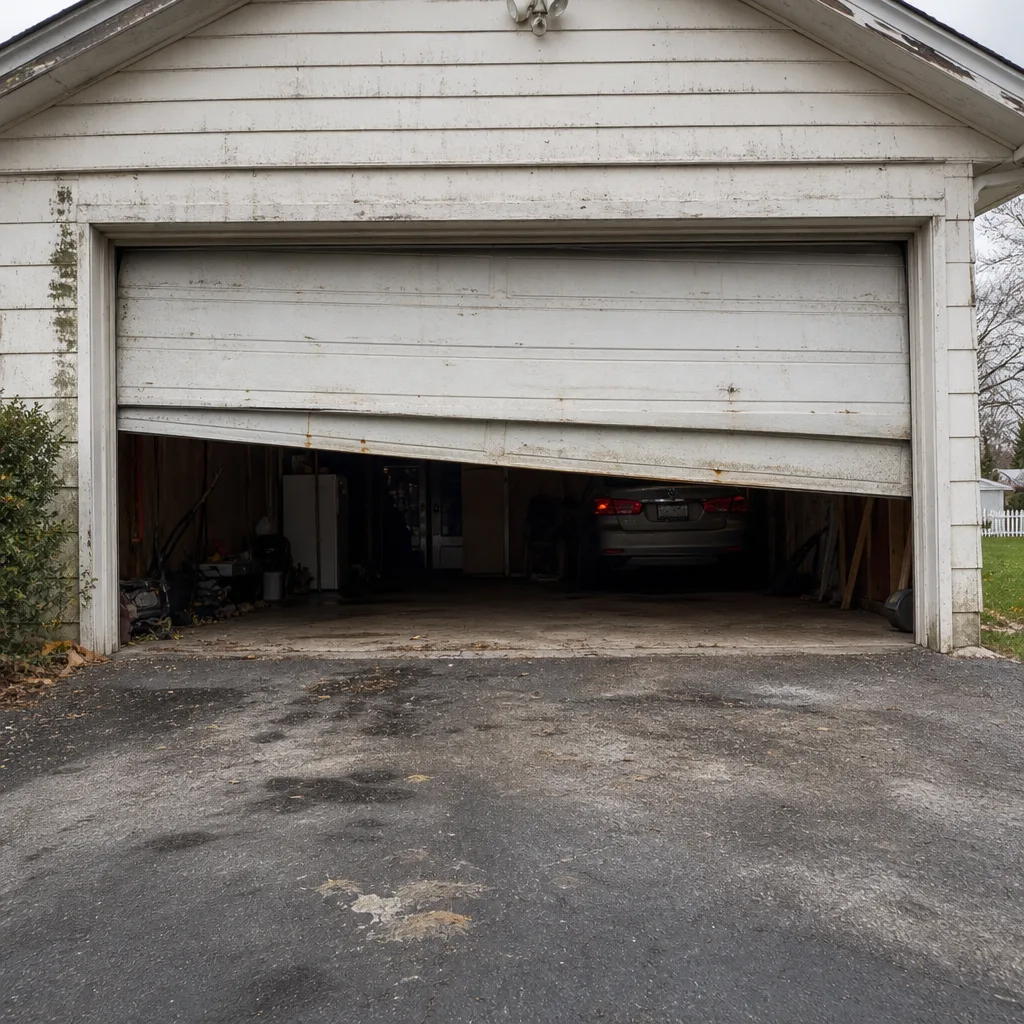 Before
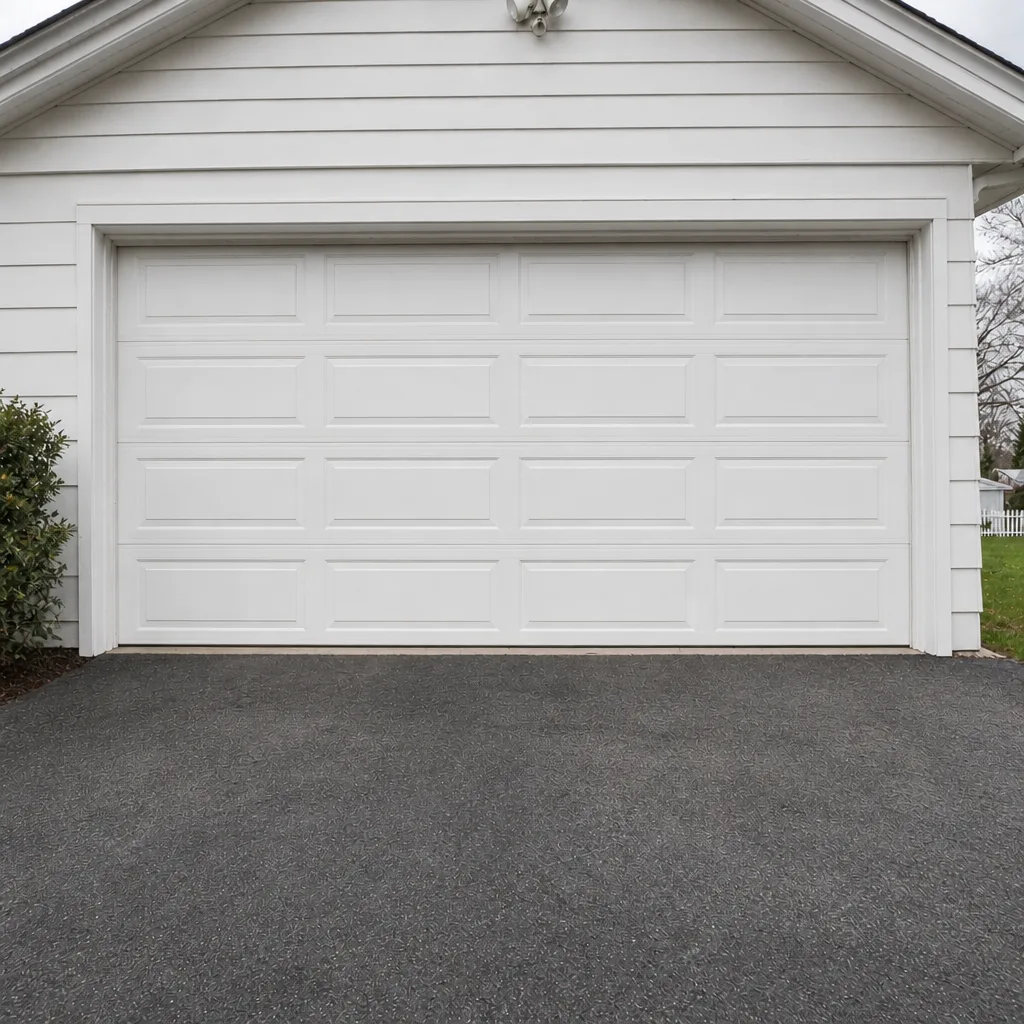 After
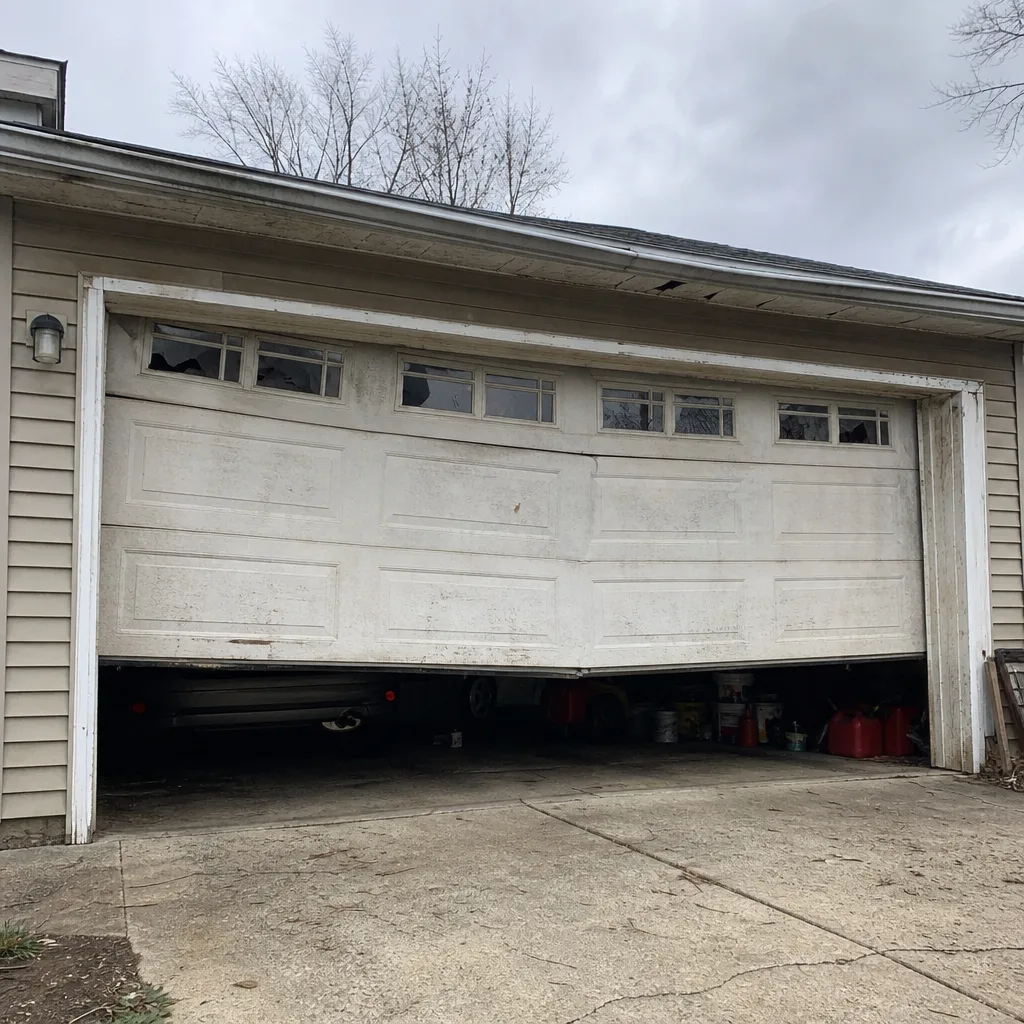 Before
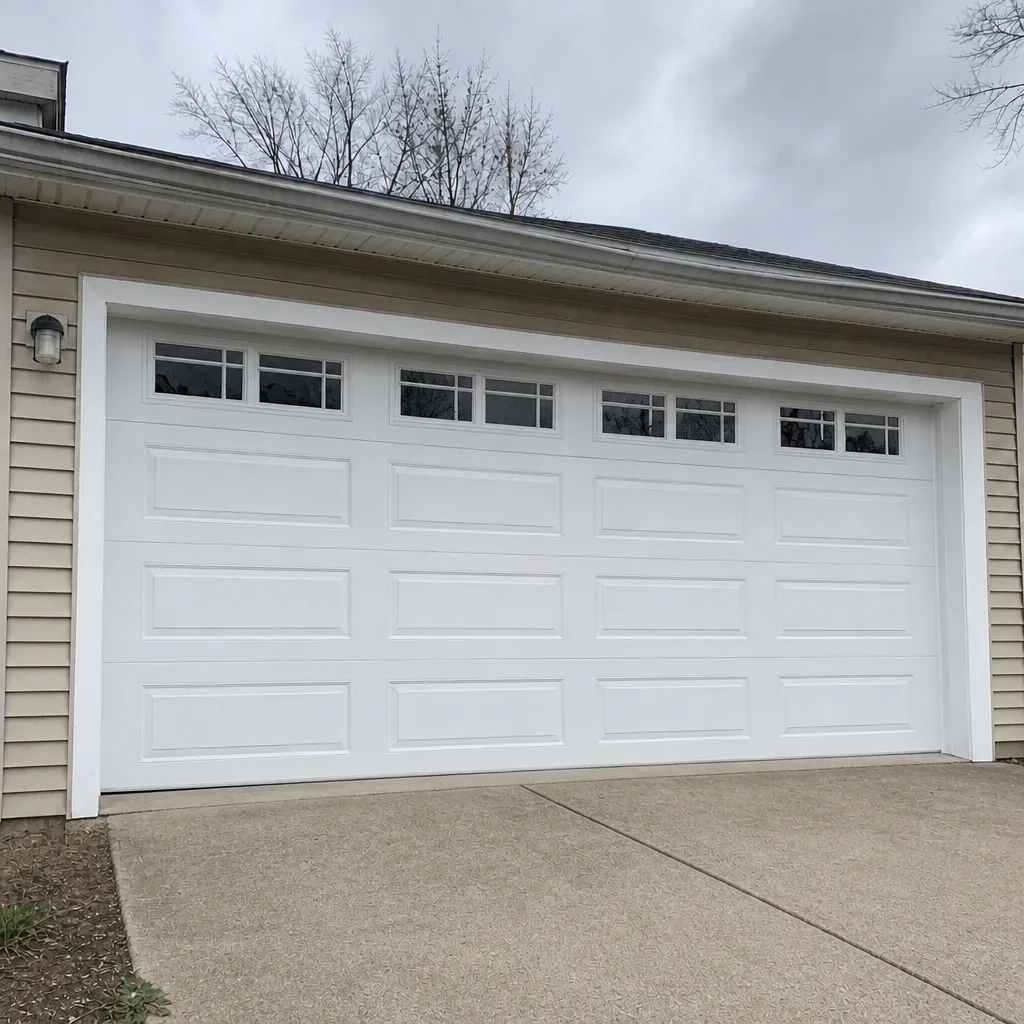 After
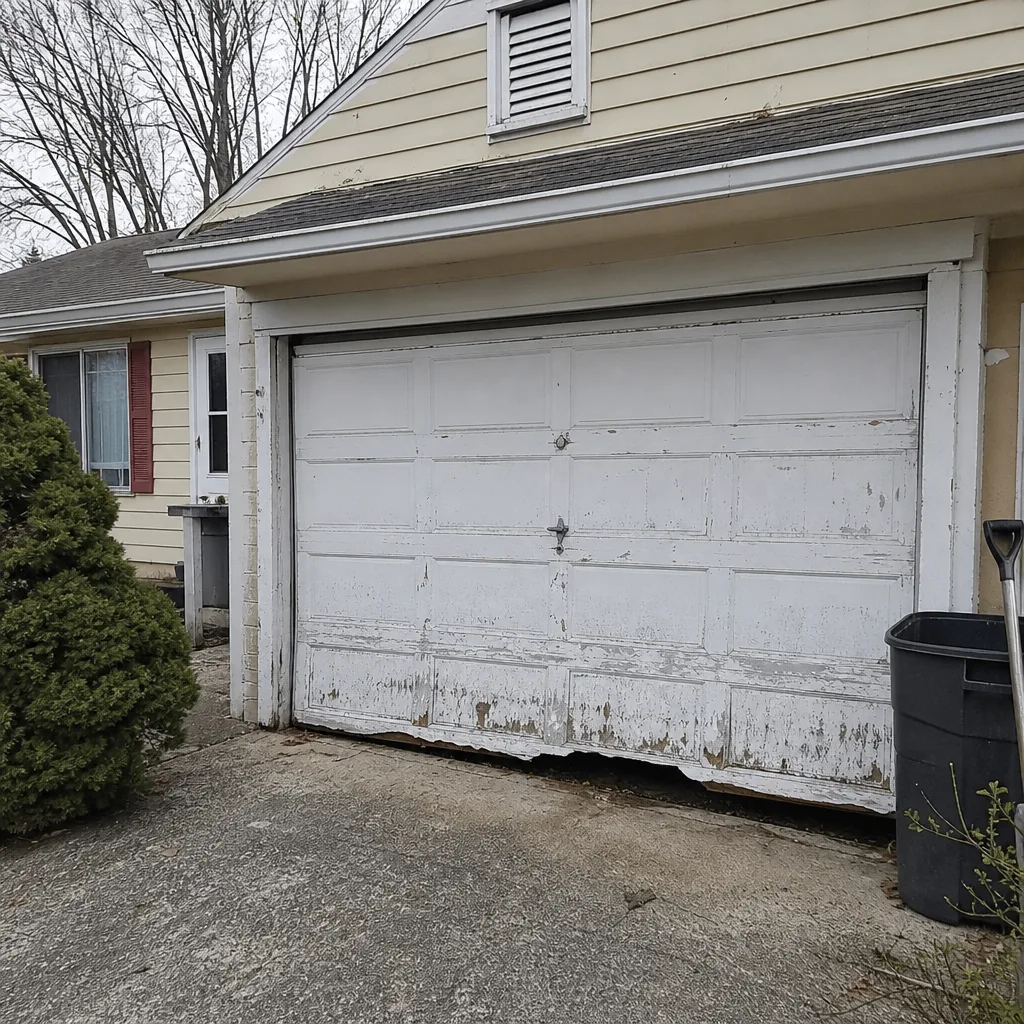 Before
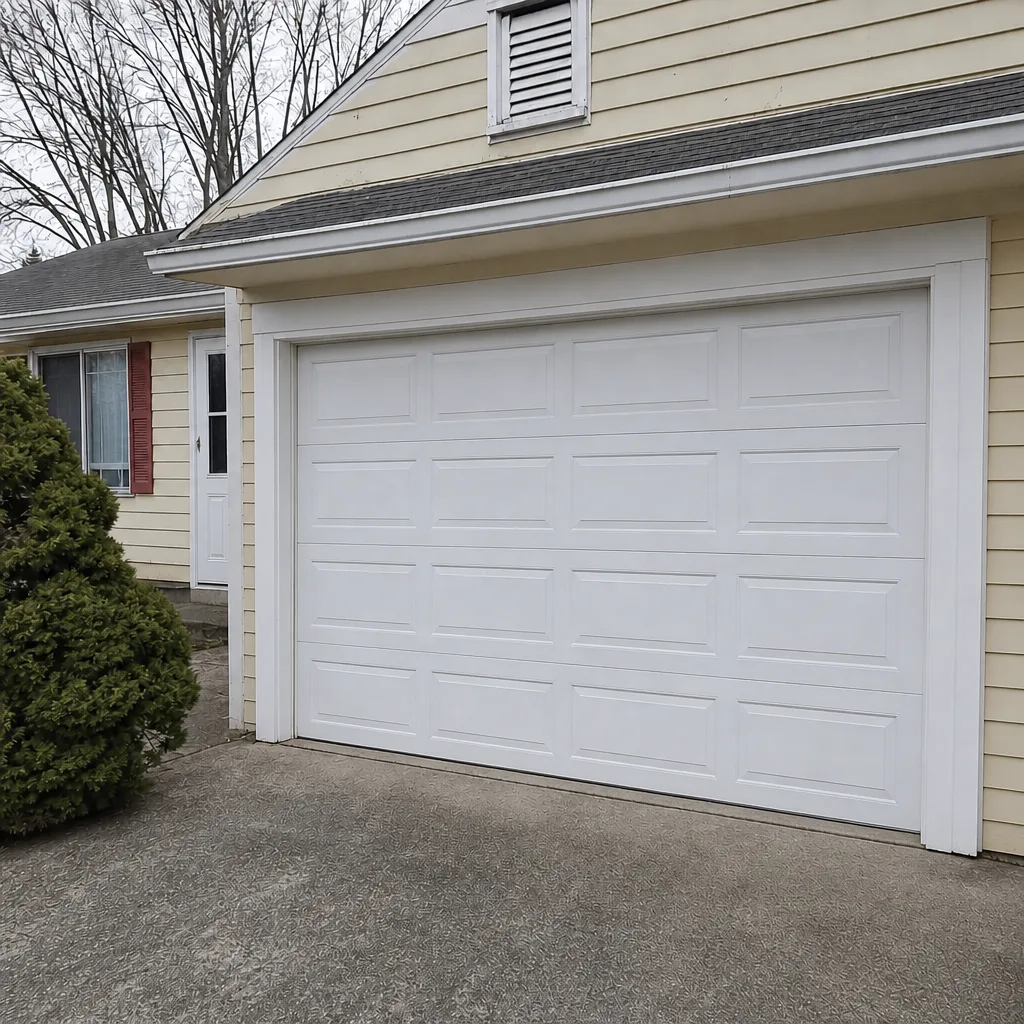 After