Last updated November 23, 2026
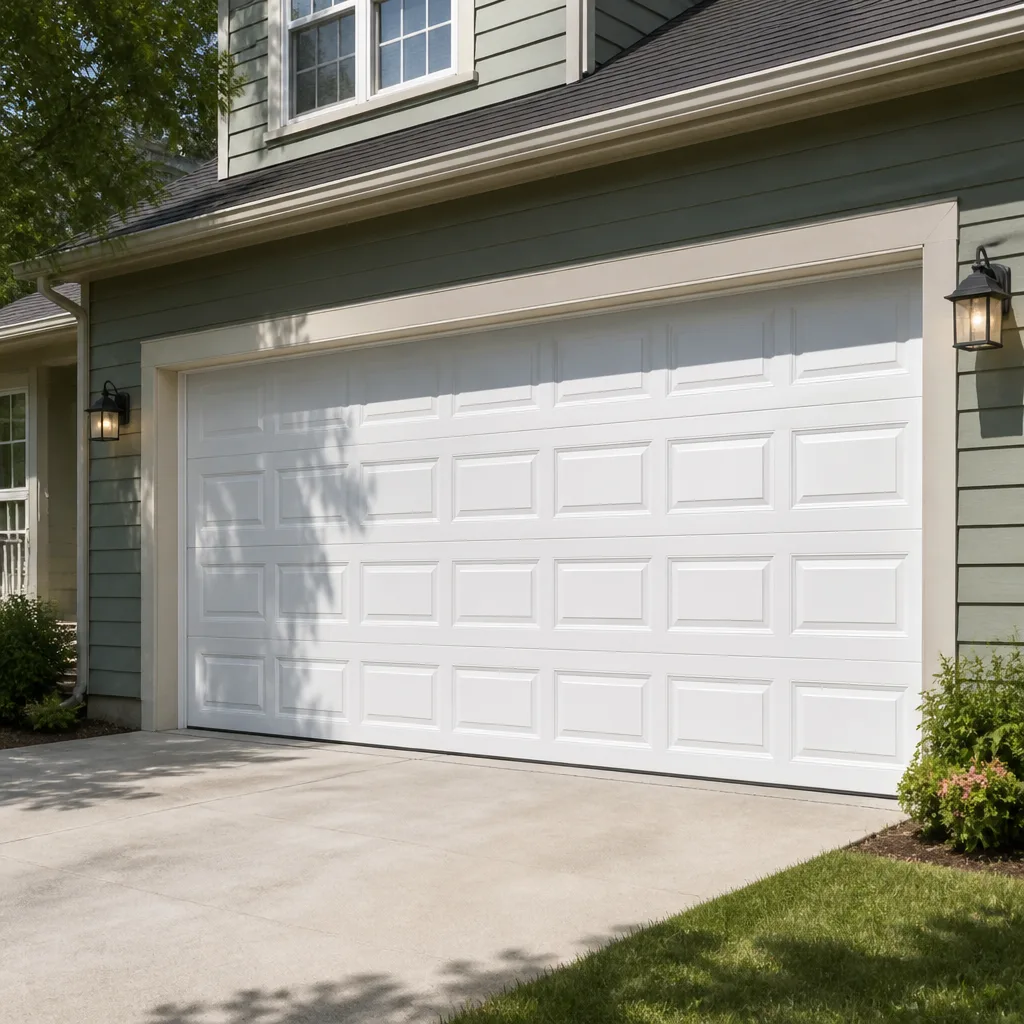 Raised-panel steel
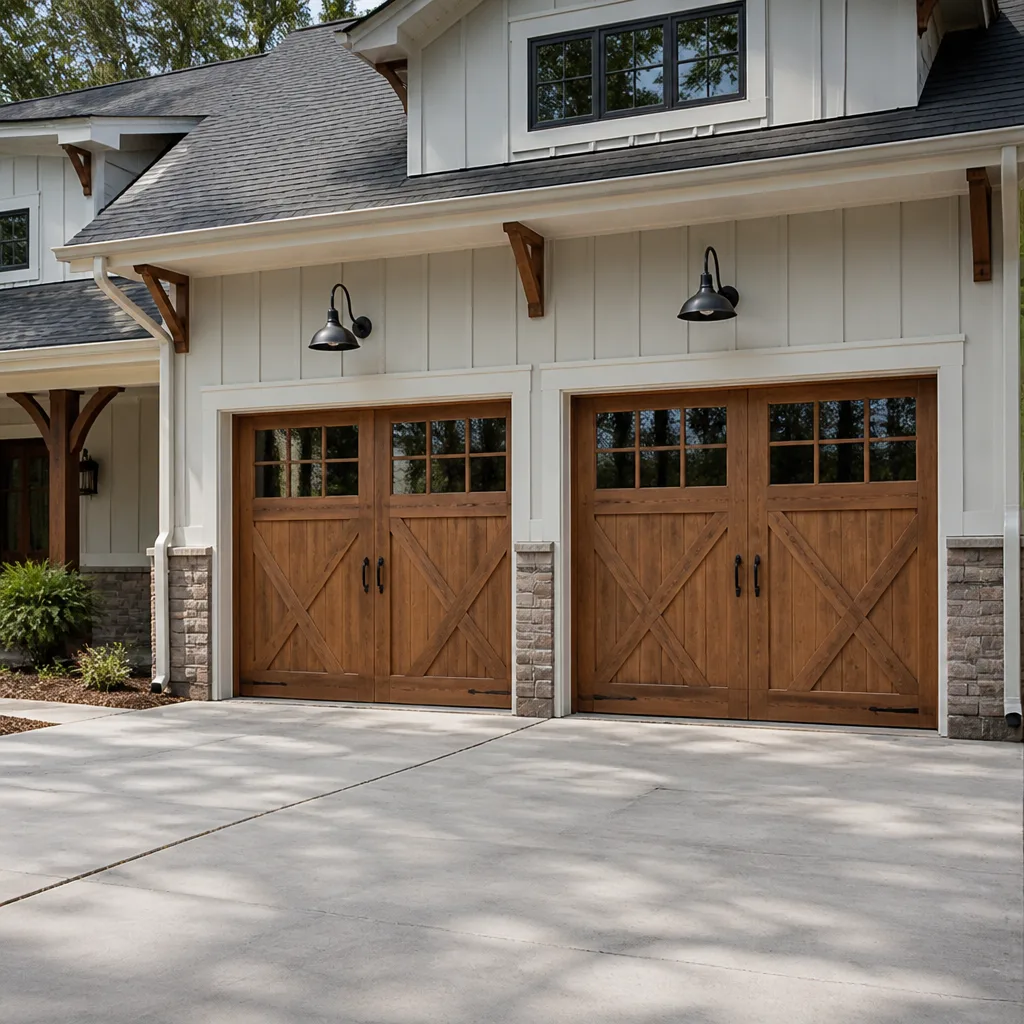 Carriage house
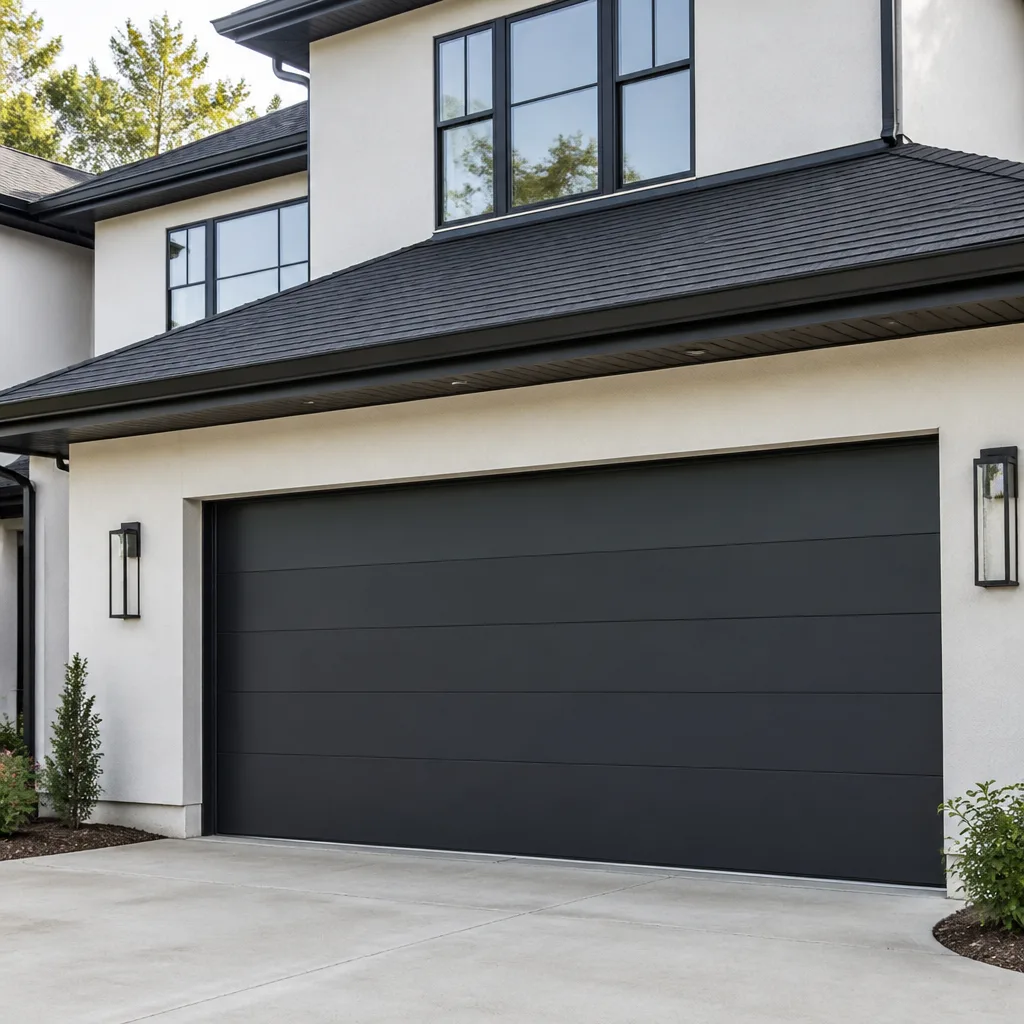 Modern flush
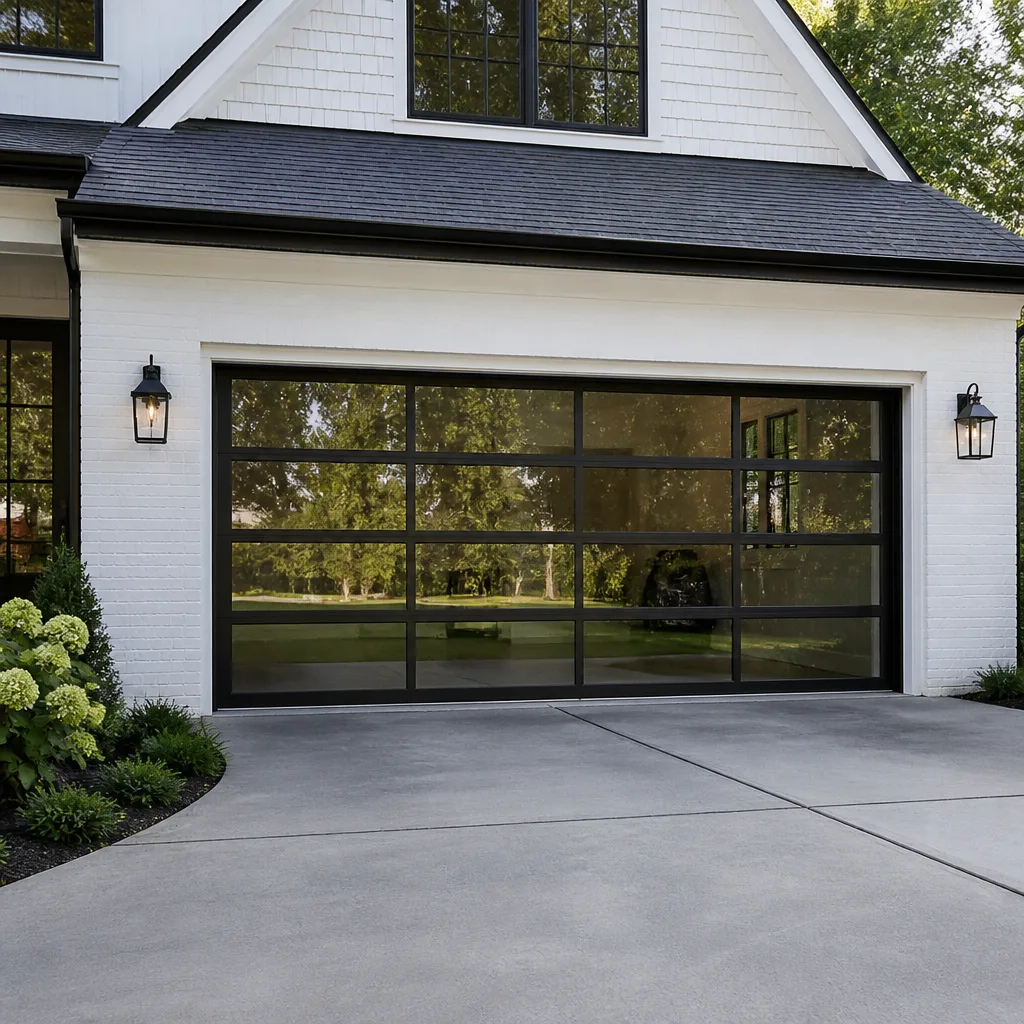 Full-view glass
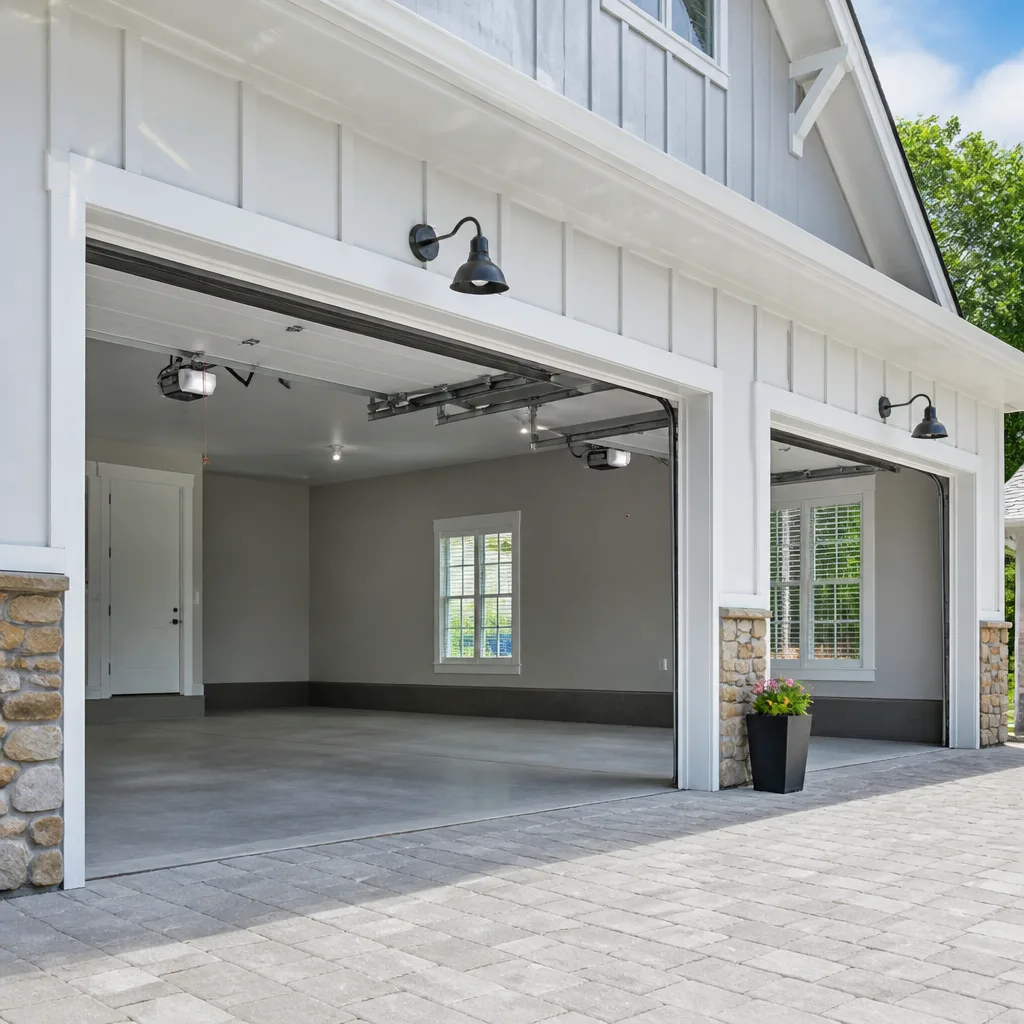 LiftMaster openers
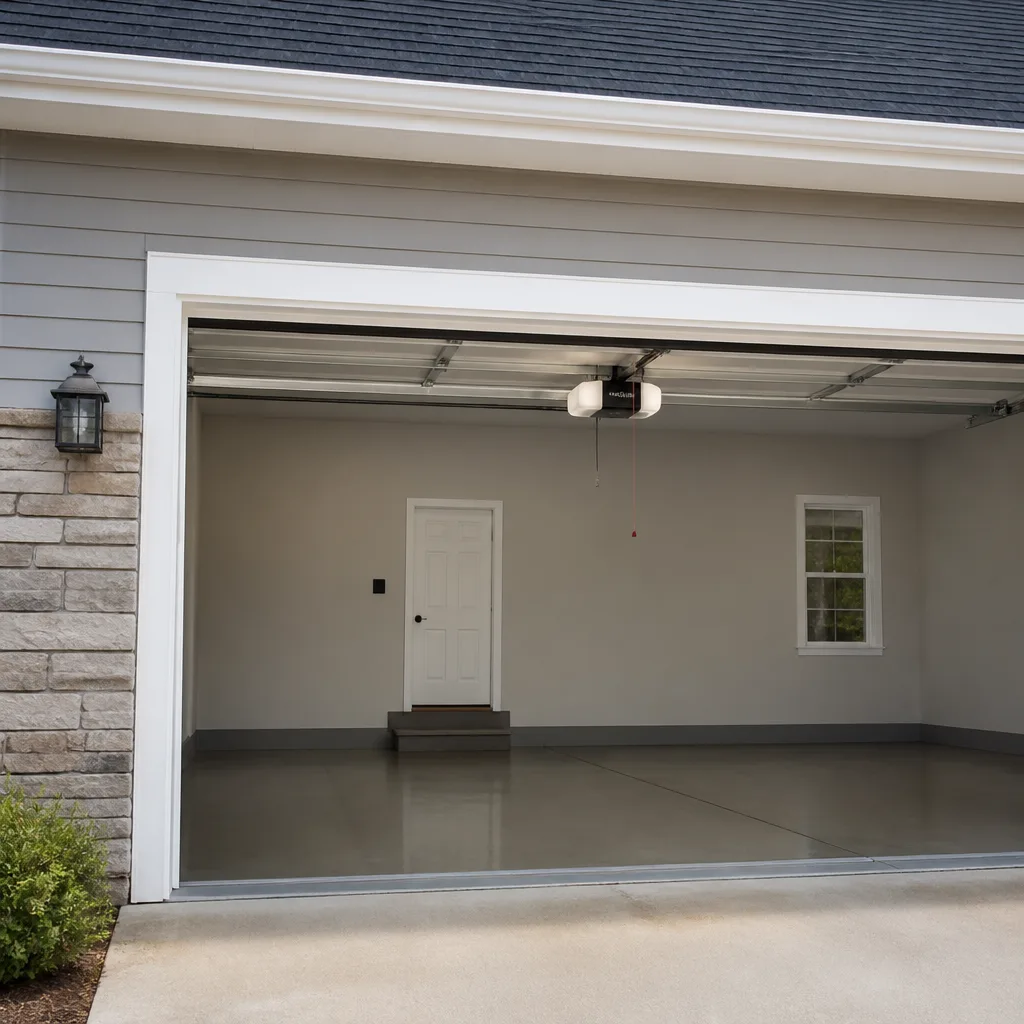 Chamberlain openers
Full 25-point door and opener safety check with every visit - springs, cables, rollers, tracks, and your LiftMaster or Chamberlain opener included
You get a price before we start. It does not change when the pro arrives.
Get your free estimateChoosing the Right Garage Door Brand: A Buyer’s Guide for Toms River
Most “best garage door brand” lists you’ll find online weren’t written for New Jersey. They were built around national averages, tested against climates that don’t look like ours, and ranked by whoever spent the most on placement. That’s a problem when what you actually need is a door that holds up through humid Ocean County summers, nor’easters that push wind against a wide garage opening, and the occasional stretch of cold that freezes everything solid. This guide takes a different approach: we evaluate the brands Toms River homeowners are most likely to encounter on their own house or on a new build, using criteria that matter here. Corrosion resistance. Wind-load ratings. Insulation options. Parts availability. Warranty service you can actually reach. You’ll finish knowing how to compare brands on specs instead of slogans, and when a premium door is worth the money versus when a mid-tier one is the smarter call.
Styles & brands we work with
- Raised-panel steel
- Carriage house
- Modern flush
- Full-view glass
- LiftMaster openers
- Chamberlain openers
Quick Answer
There’s no single “best” garage door brand for Toms River. Clopay and Amarr tend to be the strongest all-around picks for most homes, with good insulation options, solid wind-load ratings, and parts you can usually get locally. Wayne Dalton is a reasonable mid-tier choice, and premium lines make sense when your home value justifies it. On the opener side, LiftMaster and Chamberlain lead on reliability and smart-home integration. The right brand is the one whose specs match your home, your budget, and the service network near you, not the one that wins a national roundup.
Table of Contents
- Why the Brand Matters More in Toms River Than the Roundups Admit
- Corrosion Resistance: What Actually Holds Up Here
- Wind-Load Ratings and What They Mean for Your Door
- Insulation and R-Value: Matching the Door to the Room Behind It
- Parts Availability: The Ocean County Reality Check
- What “Lifetime Warranty” Actually Covers by Brand
- Choosing an Opener Brand: LiftMaster, Chamberlain, or Genie
- Matching Brand Tier to Home Value
- Common Mistakes to Avoid
- When to Call a Professional
- Frequently Asked Questions
- The Bottom Line
Why the Brand Matters More in Toms River Than the Roundups Admit
A garage door is the largest moving object on your house, and it takes more punishment than any other exterior surface. It faces the sun, the rain, the wind, and the temperature swings of a four-season climate. Toms River sits in a part of New Jersey where summers run humid and winters swing between mild and hard freezes, and that combination stresses steel, hinges, rollers, and springs in ways a mild-climate test lab never captures.
That’s why brand selection here isn’t just about looks or price. A door with better galvanized steel and a more protective finish resists rust longer. A door engineered with higher wind-load ratings holds up better when a storm rolls through. A brand with a deep local distributor network means replacement panels and parts are days away instead of weeks. And a brand whose authorized service network is reachable locally means warranty claims get honored without a fight.
Homes across Toms River, from the streets off Route 37 to the neighborhoods near the Toms River itself, tend to share the same set of conditions: humidity, wind exposure, and the wear that comes with real seasonal change. Comparing brands on those specific factors is where a useful guide starts.
Corrosion Resistance: What Actually Holds Up Here
Corrosion is the slow killer of garage doors in this climate. It starts at the bottom section, where water sits after rain or snowmelt, and it creeps into hinges, tracks, and the small fasteners nobody thinks about. Some brands fight it better than others based on how the steel is treated and finished.
Here’s what to look at when you’re comparing brands on corrosion resistance:
- Steel gauge and treatment. Thicker steel with a proper galvanized coating resists rust longer than thinner steel with a minimal coating. Ask for the gauge.
- Finish type. A factory-applied, baked-on finish outlasts a painted-on one. Some brands offer a two-sided or three-layer finish on their better lines.
- Bottom-section protection. Look for a bottom seal or weather seal designed to keep water off the lowest panel, where corrosion hits first.
- Hardware quality. Hinges, rollers, and fasteners should be galvanized or otherwise treated, not bare steel that rusts at the first sign of moisture.
In our experience, Clopay and Amarr both put real effort into their finishes and hardware on mid-range and premium lines. Wayne Dalton holds its own on entry-level doors but is more sensitive to how well the finish is maintained. Whatever the brand, washing the door a couple of times a year and touching up any scratches makes a measurable difference to how long the finish lasts.
Wind-Load Ratings and What They Mean for Your Door
Wind-load ratings get skipped in most buying guides, and they shouldn’t be. A garage door is a giant flat panel facing the weather, and when wind gets behind it or presses hard against it, the door and its track take the load. This matters in a place where storms roll in off the Atlantic and push inland across Ocean County.
Here’s how to read the numbers:
- Look for the rating on the door’s spec sheet. Manufacturers publish wind-load ratings in miles per hour (often expressed with a design pressure rating). The higher the number, the more the door is engineered to take.
- Match the rating to your site. A door on an exposed lot with a wide opening needs a higher rating than a door on a sheltered lot. Your installer can tell you what makes sense for your location.
- Reinforcement matters, not just the panel. A high wind rating usually depends on heavier-gauge track, additional struts, and stronger hinges, so check that the whole system matches the number on the panel.
- Ask about installation details. Brackets, anchoring, and how the track is fastened to the framing all affect real-world performance.
Premium lines from Clopay and Amarr offer higher-rated configurations for exposed homes. If wind is a real concern on your property, that’s worth paying for. If you’re on a sheltered lot, a mid-range rating is fine.
Insulation and R-Value: Matching the Door to the Room Behind It
Insulation matters more than many buyers realize. A garage door is a giant hole in your home’s envelope, and if the garage shares a wall or a floor with living space, an uninsulated door makes that room harder to keep comfortable. Insulation options also affect noise, weight, and structure.
Insulation types you’ll see across the major brands:
- Uninsulated single-layer steel. Lightest and least expensive. Fine for a detached garage or a shed with nothing above it.
- Vinyl-backed or polystyrene-insulated two-layer doors. Moderate cost and moderate thermal performance. A reasonable upgrade for an attached garage.
- Polyurethane-injected three-layer doors. Highest R-values and quietest operation. Best for a garage below a bedroom, above living space, or under a heated room.
R-value claims vary by brand and by line, and the number often depends on door thickness and construction. Clopay, Amarr, and Wayne Dalton all offer insulated lines ranging from entry-level to high-performance. Match the R-value to how the space behind the door is used, not to the biggest number on the box.
Parts Availability: The Ocean County Reality Check
A door brand is only as good as its ability to keep that door working. When a spring breaks, a panel bends, or a roller wears out, how fast you can get the right part decides whether you’re back to normal by the weekend or waiting for a factory order.
This is where brand choice gets practical. Some brands have strong distributor networks in and around Ocean County, with common parts on hand locally. Others rely on factory orders for anything beyond the basics, and that can mean days or weeks without a working door.
What we’ve seen with the brands we work with most:
- Clopay is widely represented locally, meaning panels and common parts are usually within reach.
- Amarr also has a strong local dealer network, so replacement parts and panels are typically available without a long wait.
- Wayne Dalton is well supplied on common hardware, though specialty panels may take longer than the majors.
- CHI has grown quickly but its local coverage varies, so it’s worth checking before you buy.
Before you commit to a brand, ask your installer how quickly they can get common wear parts, and specifically what happens with a panel replacement. A brand with no local parts presence is a gamble.
What “Lifetime Warranty” Actually Covers by Brand
“Lifetime warranty” is one of the most misleading phrases in this industry. Every major brand uses it, and every brand defines it differently. What “lifetime” typically covers is the manufacturer’s warranty against defects in materials or workmanship. It almost always excludes labor, springs, and normal wear.
How to compare warranty terms from brand to brand:
- Read what’s covered. Panels, sections, hardware, springs, opener motor, and finish each have separate warranty terms. “Lifetime” on a panel doesn’t mean lifetime on the whole door.
- Check who honors it. A warranty honored through an authorized service network near you is easy to use. A warranty that requires shipping the door back to a distant facility is not.
- Understand the labor clause. Most manufacturer warranties cover parts, not labor. That’s normal, but it means budget for installation labor when a claim comes up.
- Ask about dealer status. Authorized-dealer status usually makes warranty claims smoother because the dealer can file directly with the manufacturer.
In our experience, a clearly written warranty from a brand with a local dealer network is worth more than a longer but harder-to-use one. Look for coverage you can actually claim, not coverage on paper.
Choosing an Opener Brand: LiftMaster, Chamberlain, or Genie
Brand choice for openers is a separate decision from the door itself. LiftMaster, Chamberlain, and Genie are three of the most common brands on residential walls, and each has its own quirks, strengths, and integration story. For a home in Toms River that’s sometimes empty during the season, smart-home integration and reliability matter more than a couple of extra features.
Quick comparison:
- LiftMaster. Heavy-duty line, quieter belt and chain drives, and solid smart-home integration through its own app and common platforms. Well represented locally, so service and parts are easy to reach. Your LiftMaster opener is our bread and butter.
- Chamberlain. Same parent company as LiftMaster, sharing much of the technology, with a more consumer-focused lineup and broad smart-home compatibility.
- Genie. Solid entry and mid-range options with reliable chain drives and a straightforward app. Good parts availability and a common sight on older homes.
For a shore-community home that sits empty part of the season, look for an opener with reliable remote monitoring and battery backup if you want to check in when you’re away. Whatever the brand, an opener is only as good as its installation, and we handle garage door opener repair across every one of the major opener brands. If your opener’s acting up, that’s a service call, not a replacement.
Matching Brand Tier to Home Value
The right brand tier depends on the home it’s going on. An entry-level steel door from Clopay, Amarr, or Wayne Dalton is a perfectly rational choice for a starter home, a rental, or a detached garage. A premium insulated line with a higher wind rating and a stronger finish makes sense when the home’s value justifies it and the door is a visible part of the front elevation.
A simple way to think about it:
- Entry-level single-skin steel. Best for a detached garage or a home where the door is out of sight. Hits the function at the lowest cost.
- Mid-tier two-layer insulated. The sweet spot for most Toms River homes. Better performance without a big jump in price.
- Premium three-layer polyurethane. Best for homes with living space above or beside the garage, or where the door faces the street. Quieter, warmer, and a stronger finish.
A wrong-tier door usually costs more in the long run, not less. If you’re going to insulate the room above the garage, or if you want the door to last past a refinish, a mid-tier or premium door pays back. If it’s a basic function door, entry-tier is fine. We can help you decide, and garage door repair is often the better first step if your existing door has years left in it.
Common Mistakes to Avoid
- Buying on looks before specs. A door that photographs well can still have weak corrosion resistance or a low wind rating. Compare what’s under the finish before you fall in love with it. In a humid Ocean County summer, the finish you don’t read about matters most.
- Choosing a brand with no local parts network. A brand that has to order every part from the factory is a brand that keeps your door stuck open a week at a time. Ask your installer to name the parts they can get locally before you commit.
- Believing “lifetime warranty” covers everything. It doesn’t. Read the fine print on panels, springs, hardware, and labor separately, and make sure the warranty is usable through a local dealer.
- Underrating wind on an exposed property. A door rated for a sheltered lot isn’t the same as one built for wind. If your garage faces the weather, pay for the higher rating and the sturdier track that goes with it.
- Ignoring insulation when there’s living space above. An uninsulated door under a bedroom will make that room harder to keep comfortable year-round. Solve it at purchase, not after.
- Mixing brands carelessly on a multi-door home. Modern openers and smart-home setups sometimes need to match by brand for full integration. Keep that in mind on a two- or three-door garage.
- Assuming a national ranking tells you anything local. The brands that win national roundups often win on marketing, not on Ocean County parts availability or wind performance. Compare on the factors that determine how the door performs here.
When to Call a Professional
Some garage door work is straightforward DIY. Changing a remote battery, wiping down panels, or lubing a chain is fine. But a few specific situations should send you to the phone, not the toolbox.
Springs and cables are the first. A torsion spring under tension can injure anyone who misjudges it, and a snapped cable is just as dangerous. Call garage door spring repair rather than attempt it, every time. A door that’s off track, one that reverses unexpectedly, or an opener that’s binding against a bent track are all signs to stop and call. So is a bent panel after a storm, a door that’s sagging at one corner, or a full replacement decision where brand and wind rating matter.
Toms River Garage Door Repair Pros offers free estimates in Toms River. Call (855) 726-7559. Our technicians have up to 14 years of experience, and we work on every one of the major residential brands, so the technician already knows the quirks of whatever is on your wall. Emergencies don’t wait for a convenient time, and we’re set up for urgent repair as a standing capability, not an add-on.
If you’re still in research mode and you want the broader picture of what’s involved in a repair versus a replacement, our Toms River Garage Door Repair Pros page is a good place to start. And if you’re after the details of a specific operator brand, our guide to garage door repair covers what the most common setups need.
Frequently Asked Questions
Clopay and Amarr tend to be the strongest picks for most Toms River homes, with a good balance of insulation options, corrosion resistance, and local parts availability. Wayne Dalton is a solid mid-tier choice, and premium lines are worth it when the home justifies the investment. There’s no single winner, only the best match for your home and budget. Call (855) 726-7559 for a free estimate and a brand conversation specific to your property.
Yes, for exposed properties, and it’s worth checking even on a sheltered lot. Toms River gets storm wind that presses against wide garage openings, and a door with a higher wind rating, heavier track, and proper reinforcement performs better in real weather. If your garage faces an exposed direction, ask your installer for the door’s wind-load rating and how the installation supports it. Call for an onsite recommendation.
LiftMaster and Chamberlain tend to lead here, thanks to reliable remote monitoring, smart-home integration, and broad local service availability. Genie is a good value option with straightforward app support. The right choice depends on what you want to check while you’re away, plus your wifi setup and how old the existing opener is. Call (855) 726-7559 for a free estimate.
It usually covers manufacturer defects on the panels or sections, not labor, springs, or wear parts. Each brand defines “lifetime” differently, so compare coverage terms section by section, and ask how the warranty is handled locally. A warranty you can actually claim through a nearby dealer is worth more than a longer one you can’t. Call for a hand reading your existing door’s warranty terms.
Clopay and Amarr have strong local distributor networks, so common parts and replacement panels are usually within reach. Wayne Dalton is well supplied on standard hardware. Brands with thin local coverage can mean factory orders and long waits. Ask your installer to name the parts they can get locally before you buy. Call and we’ll walk through what’s available.
Sometimes yes, and it’s worth checking before you buy new. A bent panel, broken spring, or failing opener is often fixable, and repair extends the life of a sound door. If the panels are corroded through, the track is bent past repair, or you’re moving to a higher wind rating, replacement becomes the better call. Toms River Garage Door Repair Pros offers free estimates in Toms River, so call (855) 726-7559 and we’ll tell you honestly which side of that line your door is on. The price is quoted and agreed before any work starts.
The Bottom Line
Brand matters, but not in the way a sponsored roundup tells you. For Toms River, the brands worth comparing are the ones with proven corrosion resistance, honest wind ratings, insulation options that fit the room behind the door, and a parts network you can reach within days. Clopay and Amarr are the safest overall picks for most homes, Wayne Dalton is a strong mid-tier choice, and premium lines are worth the money when the home justifies it. On the opener side, LiftMaster and Chamberlain lead on reliability and smart-home capability, with Genie as a solid value option. Pick the brand against your home’s real needs, check the parts situation before you buy, and let an experienced specialist handle the installation and every spring or safety repair.
Written by the team at Toms River Garage Door Repair Pros.
Ready to compare brands for your home? Call Toms River Garage Door Repair Pros at (855) 726-7559 for a free estimate. We handle repair, opener service, spring replacement, and full new-door installation across every major brand, so you get one company from the first call to the finished job.
See the difference
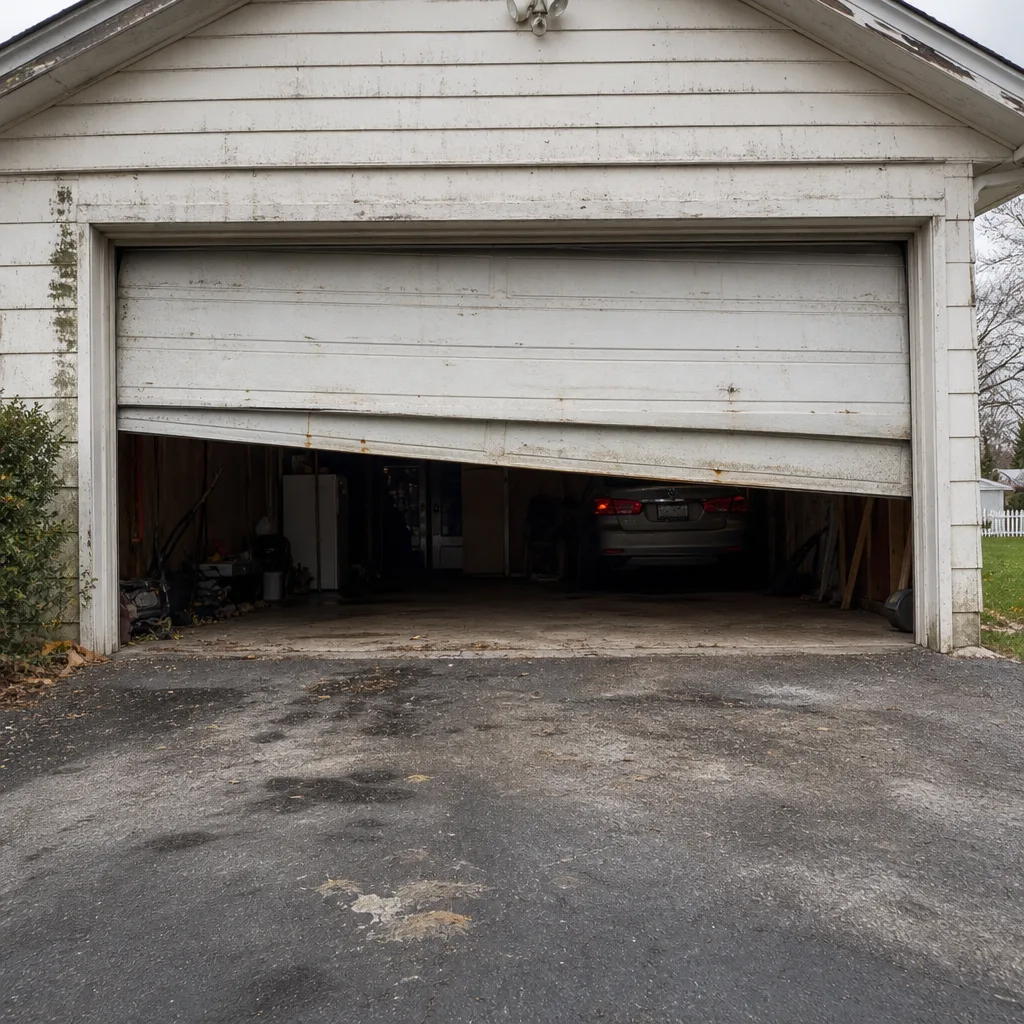 Before
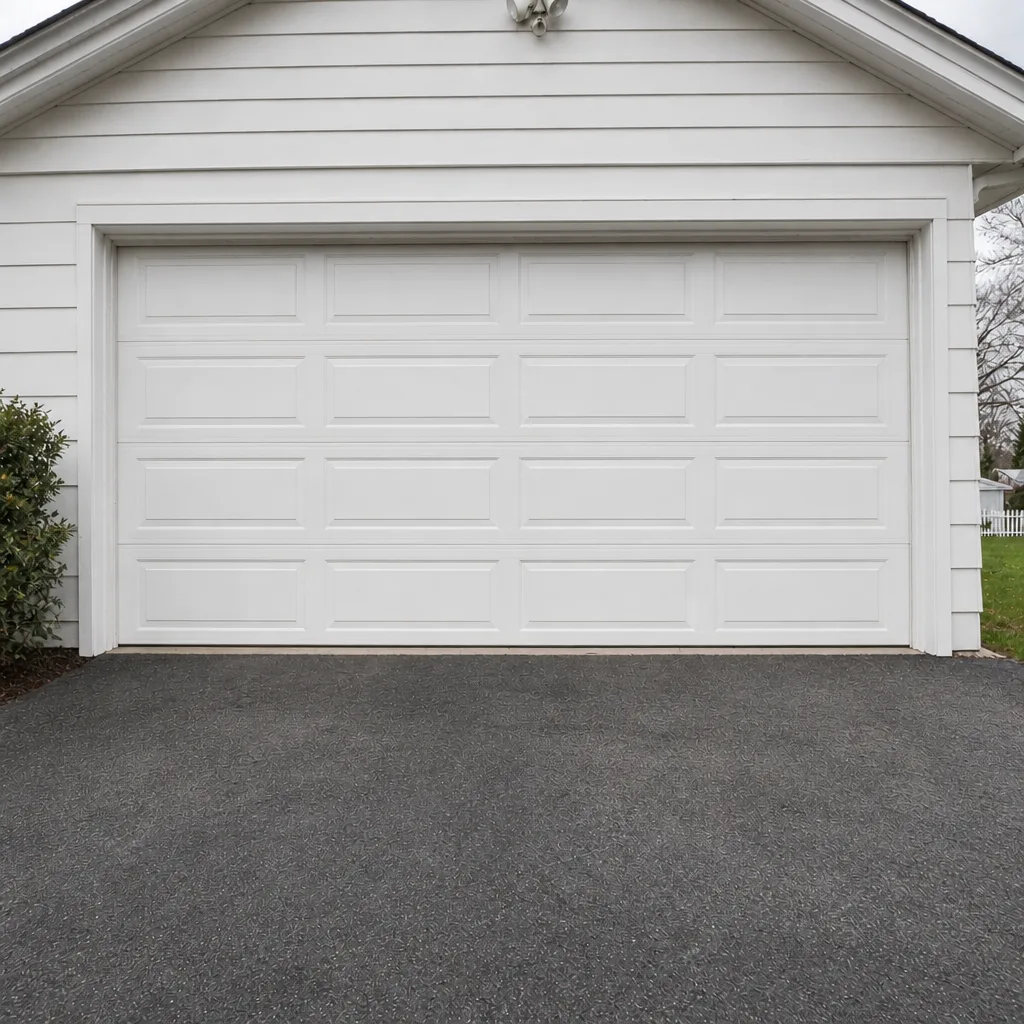 After
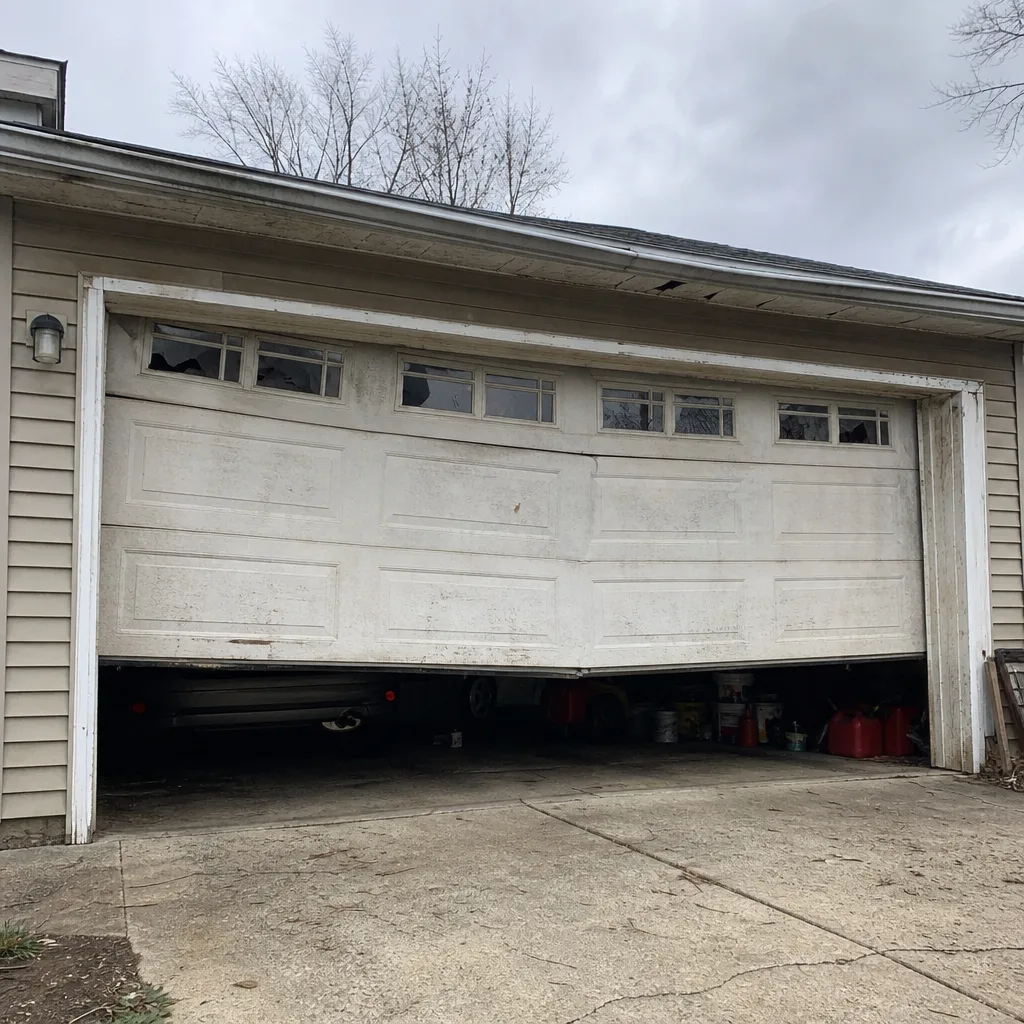 Before
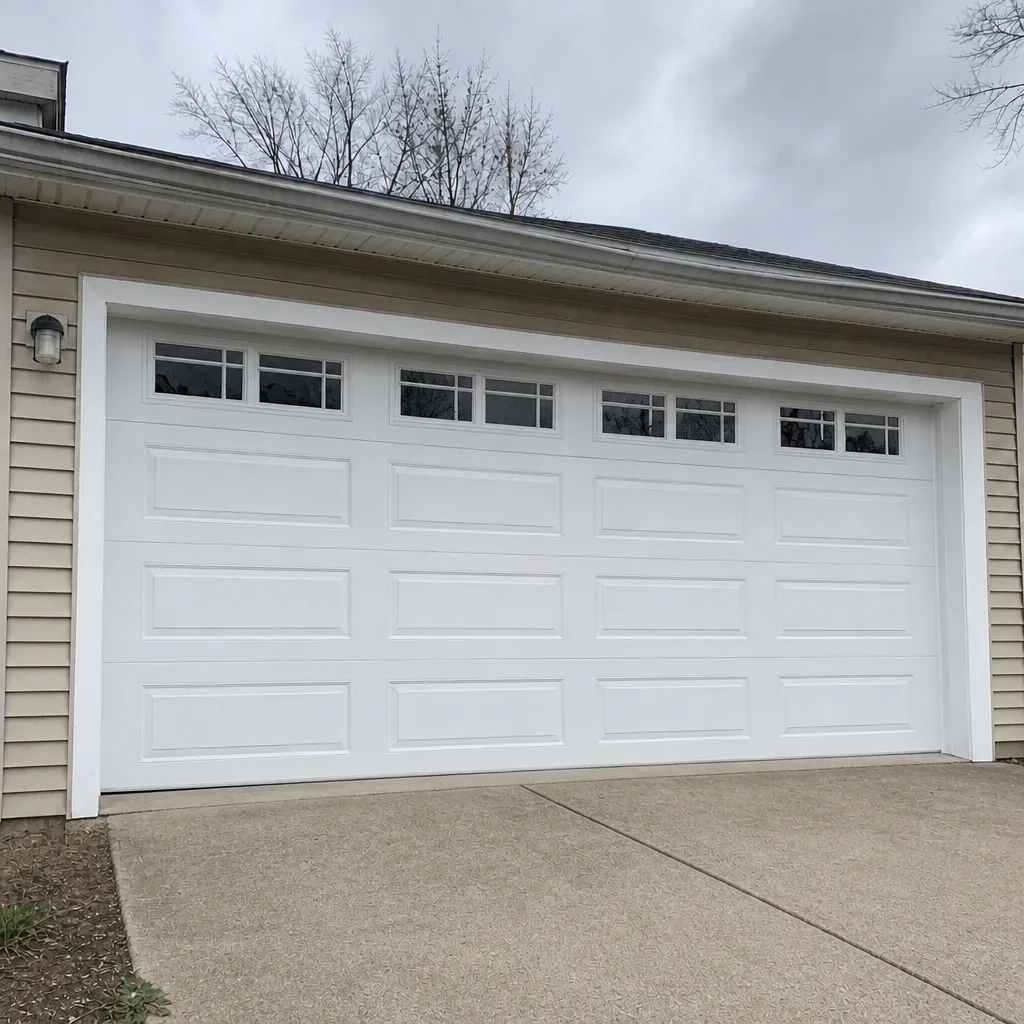 After
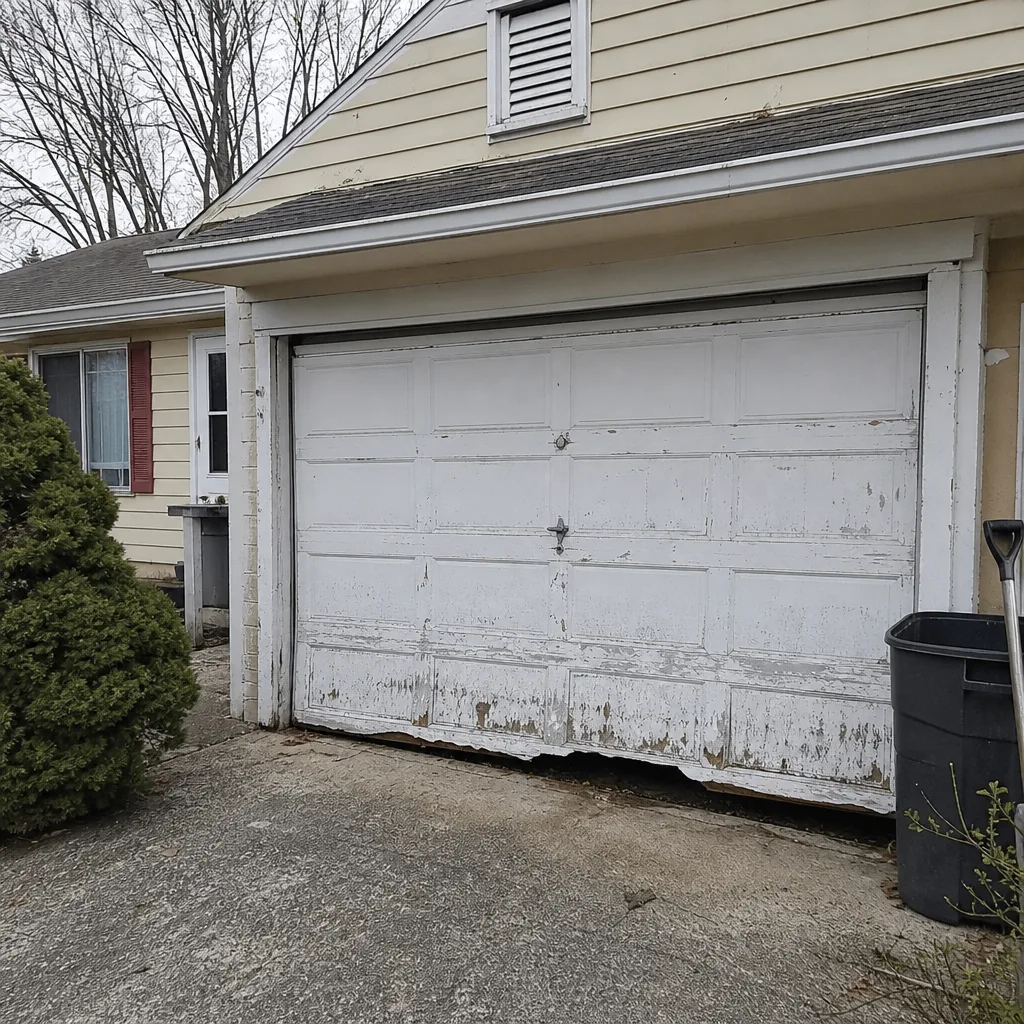 Before
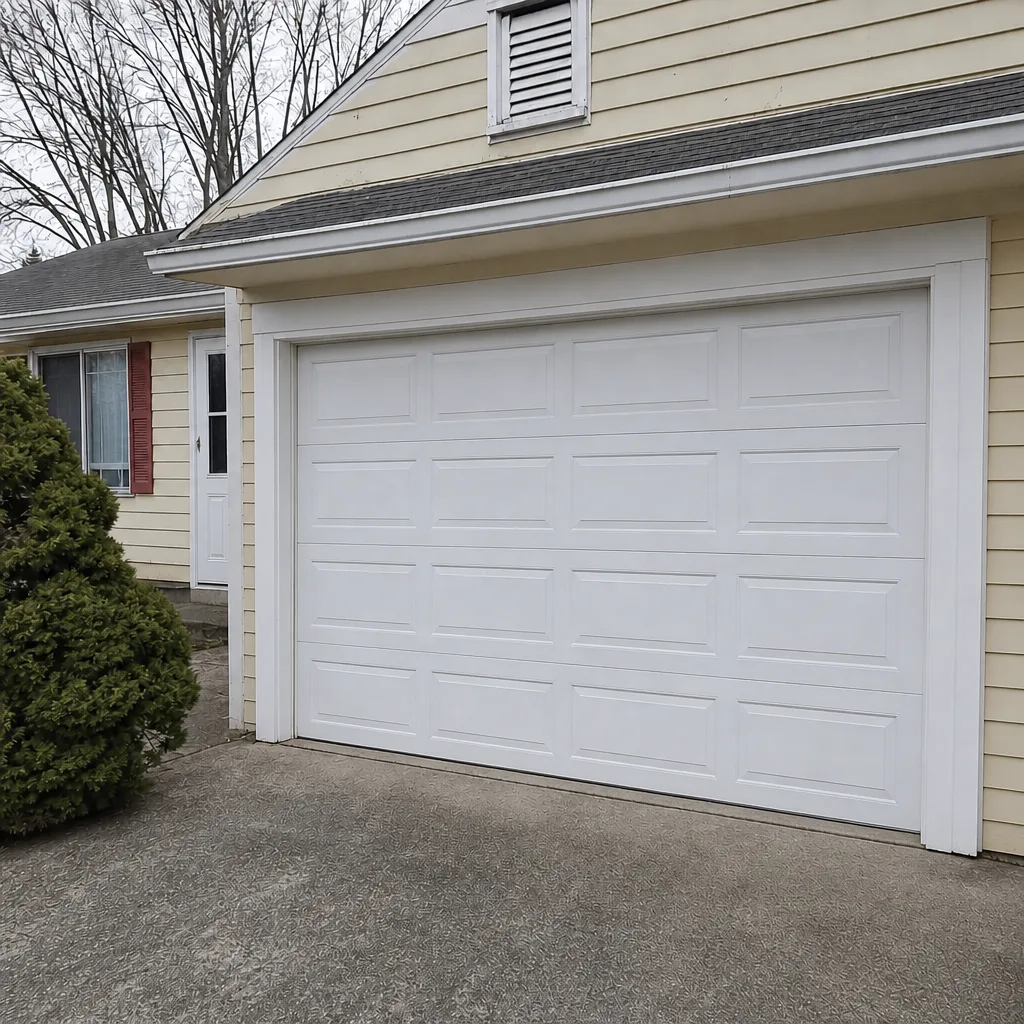 After