Last updated November 23, 2026
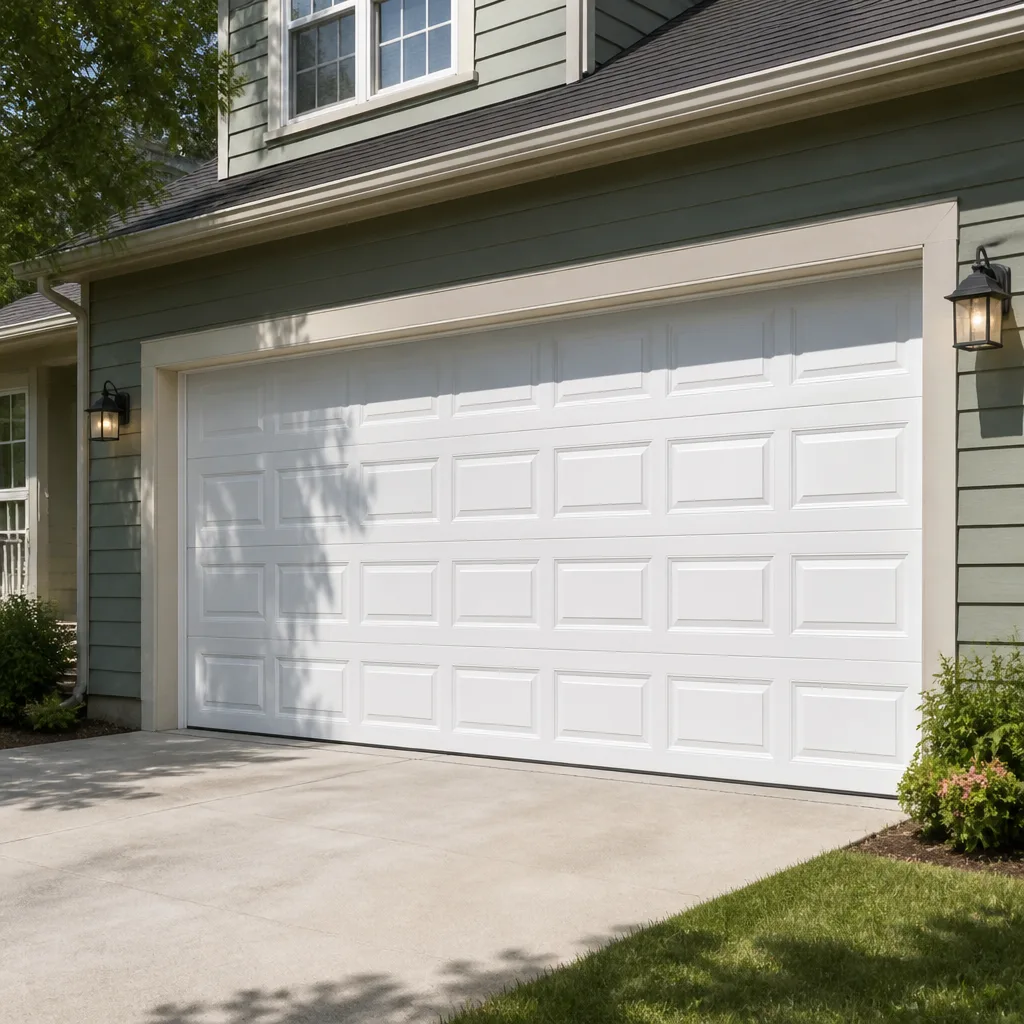 Raised-panel steel
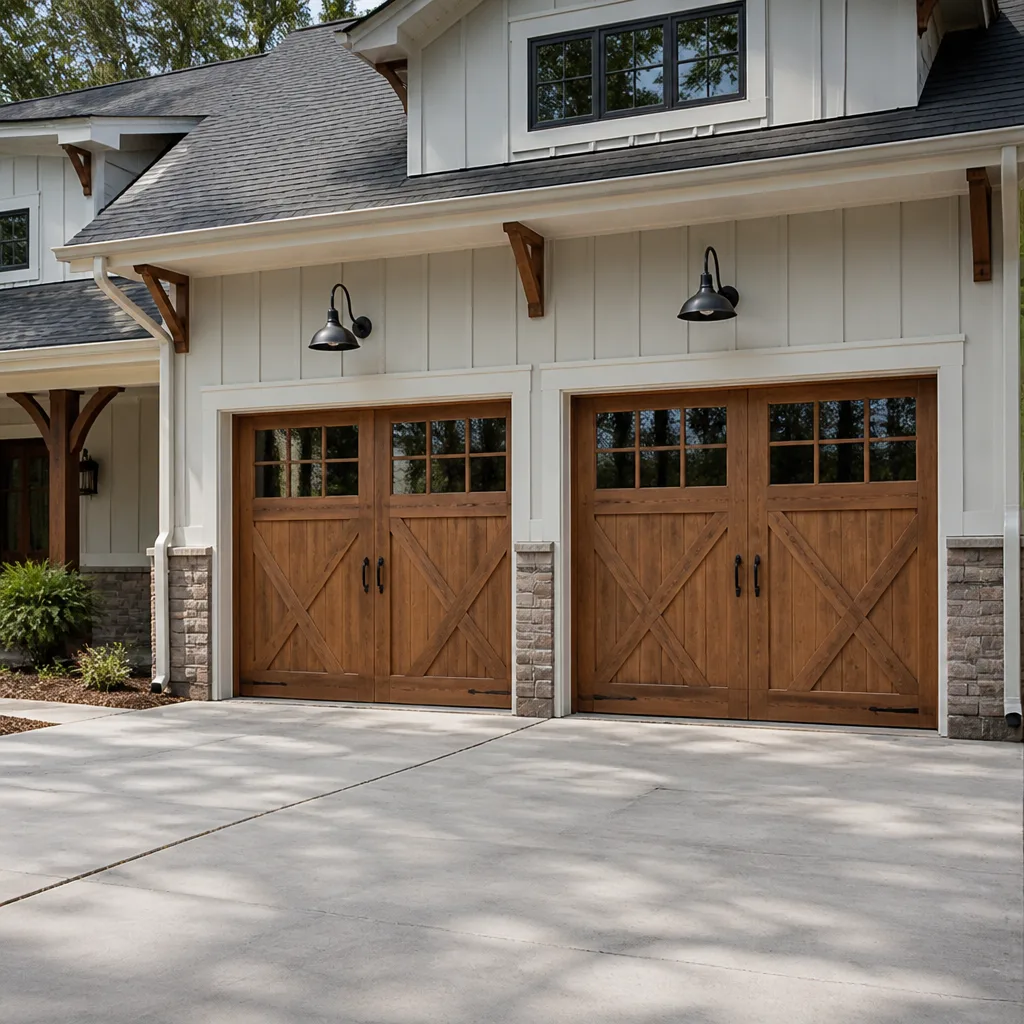 Carriage house
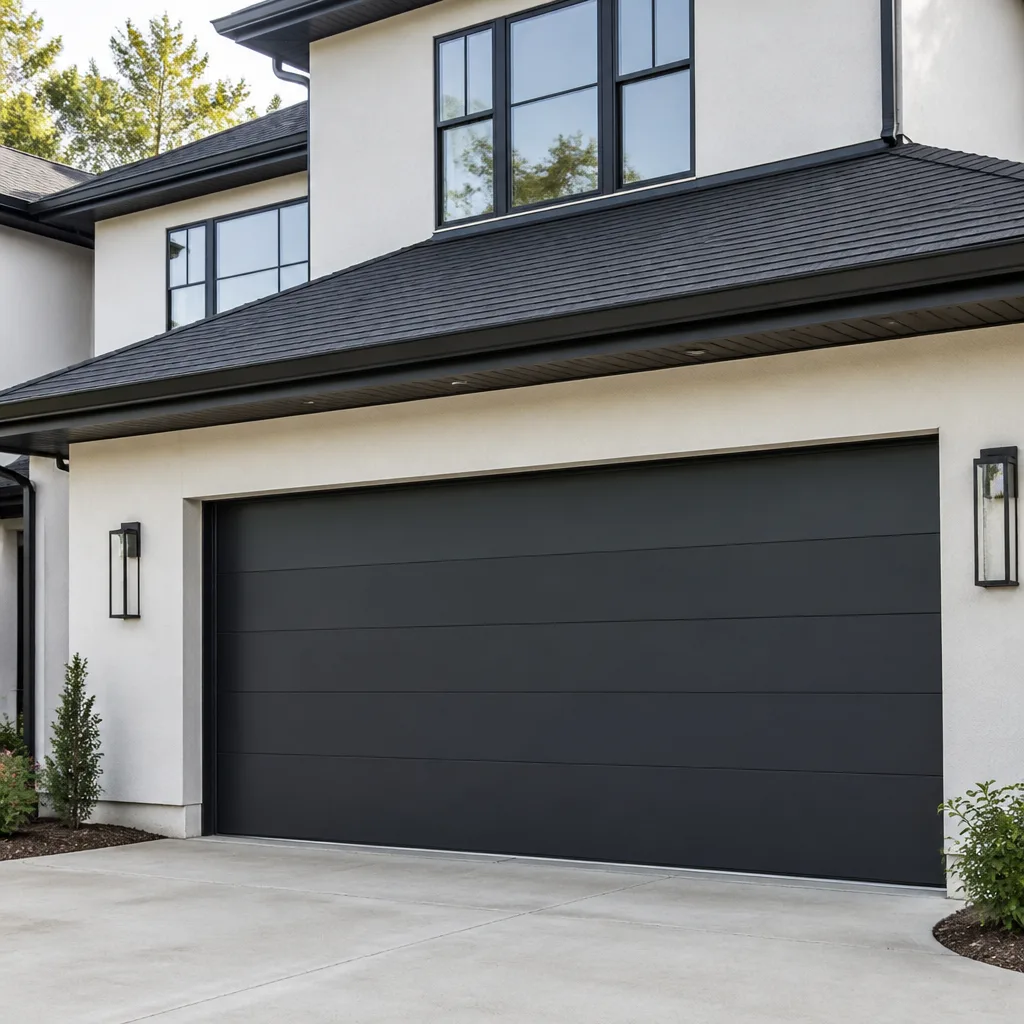 Modern flush
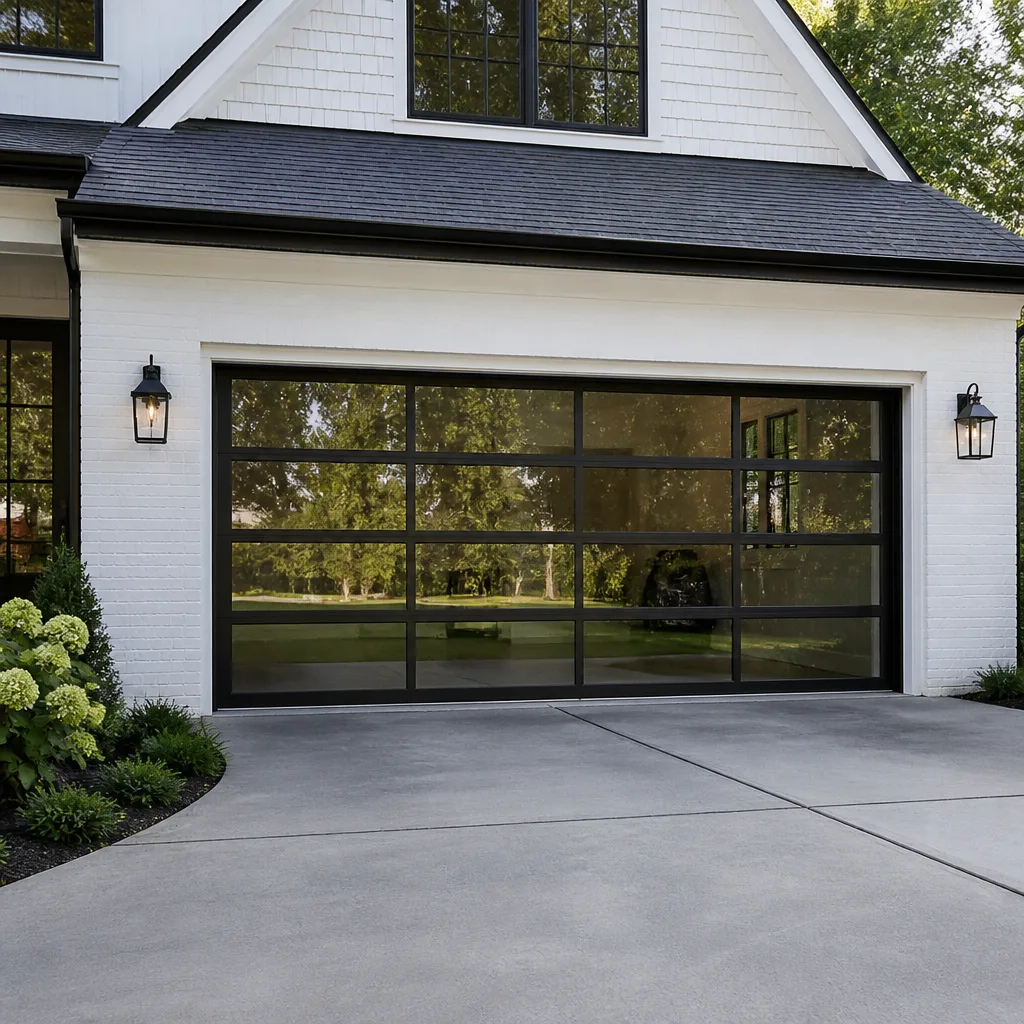 Full-view glass
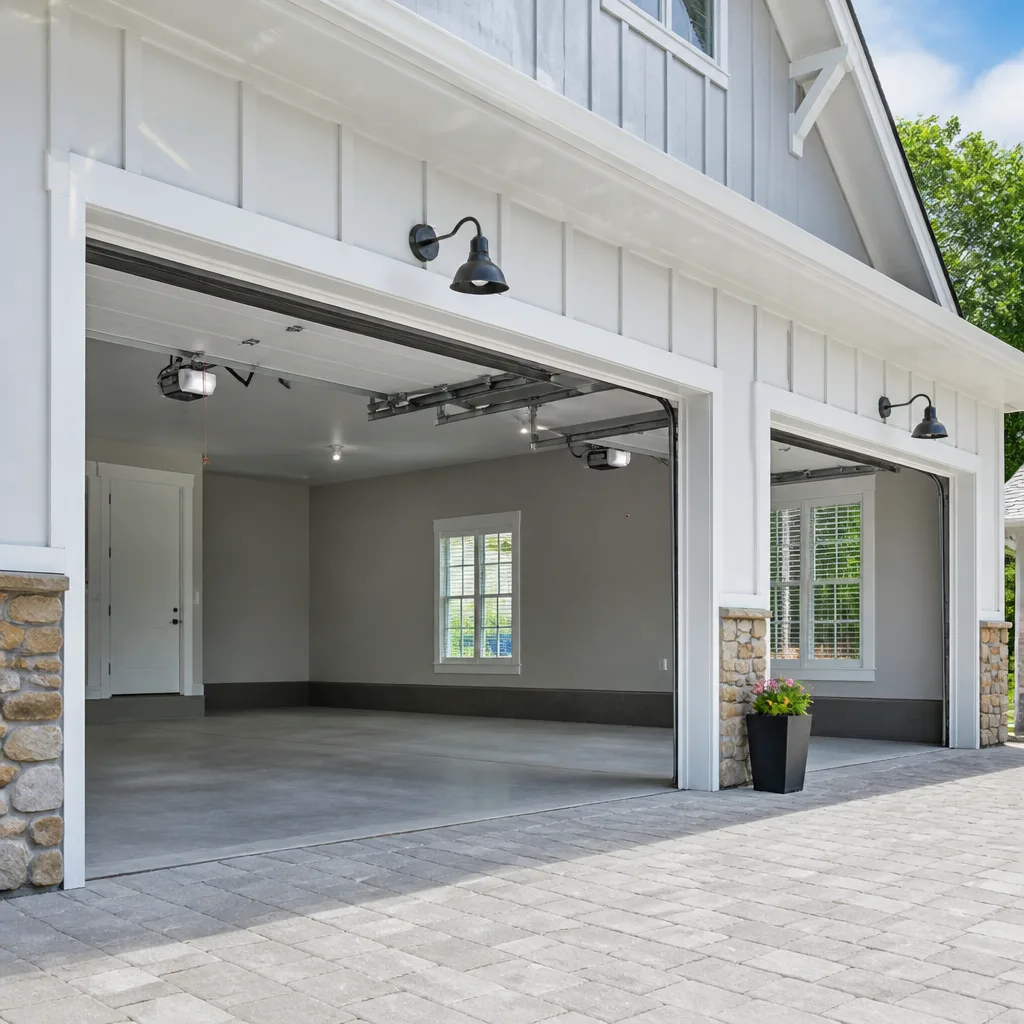 LiftMaster openers
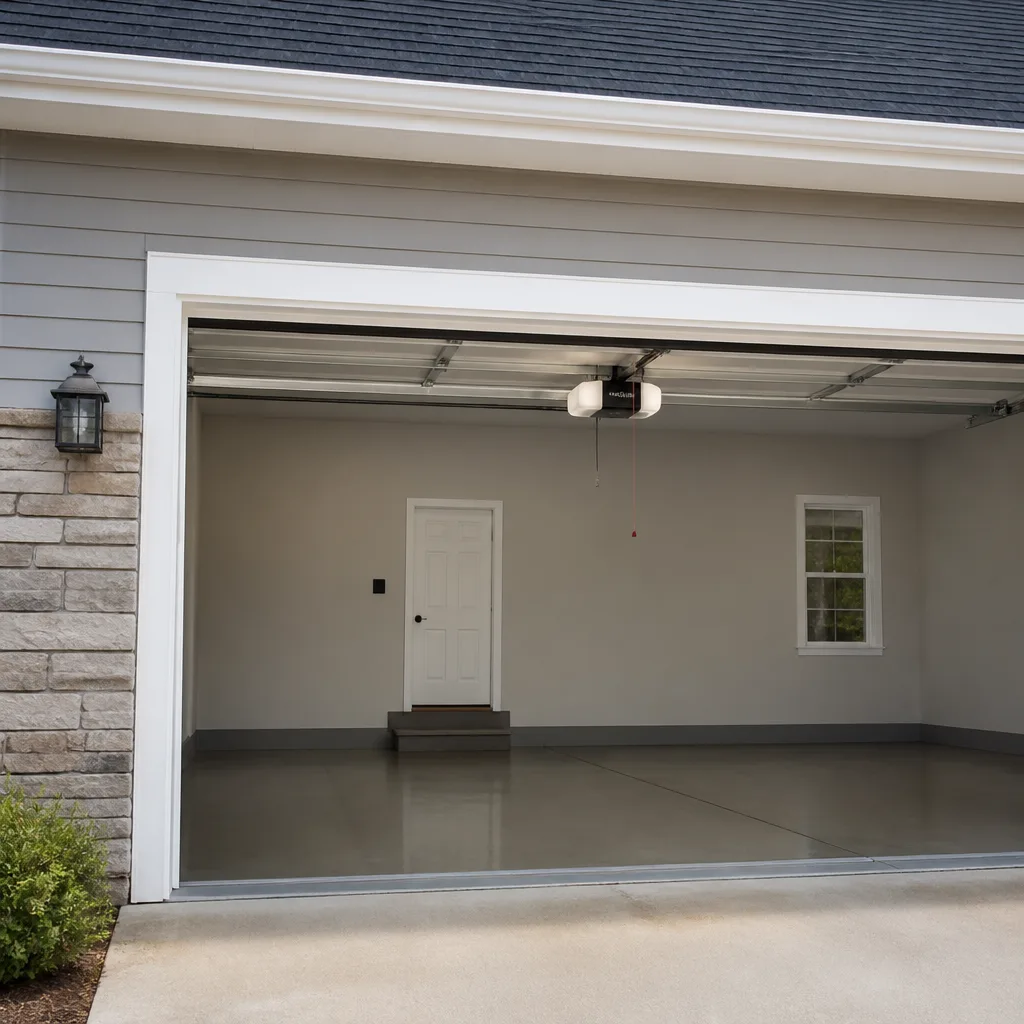 Chamberlain openers
Full 25-point door and opener safety check with every visit - springs, cables, rollers, tracks, and your LiftMaster or Chamberlain opener included
You get a price before we start. It does not change when the pro arrives.
Get your free estimateThe Complete Guide to Garage Doors in Toms River
Most garage door guides are written for climates with stable humidity and mild winters. That’s not what you’re dealing with here. Between the wet air off the water, the sandy soil under a lot of Ocean County slabs, and the nor’easters that roll through every few seasons, Toms River homeowners are asking hardware to do more than the manufacturer’s assumptions allow. Springs go before their time. Wood panels swell and stick. Weather seals harden and split. This guide walks through the whole life of a door in Toms River – what to watch, what to fix, when to fix it, and when to replace it. We’ll cover springs, openers, panels, materials, and the service timeline a house here actually follows.
Quick Answer
The key to a long-lasting garage door in Toms River is regular lubrication, prompt spring and cable repair, and choosing materials that withstand local humidity and wind. A typical residential door here needs a professional tune-up every one to two years, spring replacement somewhere in the five to nine year range, and full replacement around the fifteen to twenty year mark – with exceptions driven by how close you sit to the water and how well the door has been maintained. When something breaks, Toms River Garage Door Repair Pros connects you with vetted local specialists, and the price is always quoted before work starts.
Styles & brands we work with
- Raised-panel steel
- Carriage house
- Modern flush
- Full-view glass
- LiftMaster openers
- Chamberlain openers
Table of Contents
- How Toms River’s Climate Affects Garage Doors
- The Garage Door Life Cycle in Toms River
- Wind Load Ratings and Barnegat Bay Homes
- Choosing Materials That Hold Up Here
- Springs and Cables: The Corrosion Battle
- Openers: Brand Fluency and Repair vs. Replace
- Permits and HOA Rules in Ocean County
- A Maintenance Schedule for Toms River Homes
How Toms River’s Climate Affects Garage Doors
There’s a specific pattern we notice across Toms River homes that you won’t see written up in general garage door literature. It’s not any single weather event. It’s the rotation. Winters bring freeze-thaw cycling that opens hairline cracks in seals and loosens fasteners. Springs bring wetter air that attacks bare steel. And every few years a strong storm system pushes through and tests everything at once.
Here’s what that means in practical terms:
- Steel springs and cables corrode faster than they would inland. Interior springs are less exposed, but the cable runs and the bottom bracket area collect fine grit and moisture. That friction point is where we see early failures.
- Wood and wood-composite panels swell along seams and around hardware. A door that shut cleanly in fall can bind by spring.
- Rubber and vinyl weather seals harden in cold and split in dry stretches, letting wind-driven rain into the tracks.
- Aluminum thresholds and bottom seals pit when road salt from winter plowing sits on them through the season.
None of this is catastrophic. It’s just the extra maintenance a Toms River garage door asks for compared with the same door in a drier place. If you own a home here, plan for a professional inspection every year or two rather than waiting for the door to fail. Spring failures don’t wait for a convenient time, and neither does a panel that’s been slowly taking on water at the seams.
The Garage Door Life Cycle in Toms River
Think of a garage door as a component with a lifespan that runs in stages. In Toms River the stages tend to happen on a fairly predictable schedule if the door gets regular attention.
- Years 1 to 3 – settling in. Fresh installs need their first lubrication and hardware check after the first full heating and cooling cycle. Small adjustments here prevent bigger problems later.
- Years 4 to 7 – first spring cycle. Standard torsion springs under normal use range somewhere in the seven to twelve thousand cycle band, and cycle life is shortened by a harsh climate and lack of lubrication. Many Toms River doors show their first spring fatigue in this window.
- Years 8 to 12 – cables, rollers, and seals. Even if the springs hold, cables and rollers start to show wear. Seals need replacement around here more often than most guides admit.
- Years 13 to 18 – second spring cycle, panel wear. The second set of springs typically ages out, and panel rust, wood swelling, or delamination starts showing up on lower panels that take the most moisture and dirt.
- Years 18 and beyond – replacement decision. By this point you’re likely weighing a full new installation against continued piecemeal repair. At that age the balance usually tilts toward replacement if the door is showing combined problems across panels, hardware, and openers.
The timing varies. A door that receives annual professional lubrication on an inland Toms River street can run toward the longer end of these ranges. A door a few blocks from the water with a wood panel and no regular service can fail years earlier. When we look at a door, the age of the home is often the clearest signal of where it sits in its life cycle, because the age of the door usually tracks the age of the house.
Wind Load Ratings and Barnegat Bay Homes
Wind load is the single biggest factor most garage door guides skip, and it matters more in Toms River than in most of the state. Homes on the barrier island side and properties near Barnegat Bay sit exposed in a way inland neighborhoods don’t. A garage door is a large, flat, slightly curved surface, and in a strong nor’easter it becomes an aerodynamic problem.
Wind-load ratings describe how much pressure a door and its track system can take before panels buckle, tracks twist, or the door pulls out of the plane. If you’re building, replacing, or upgrading in a wind-exposed part of Toms River, this is the number to discuss with the installing technician.
- Panel construction matters. Steel with internal reinforcement handles high wind pressure better than a thin single-sheet panel. Insulated sandwich panels add rigidity at the cost of weight, which affects the opener.
- Track and hinge quality matter as much as the door. A heavily-rated door on standard track can still fail. The faster the track and hinges twist under load, the faster the door is compromised.
- Rear reinforcement struts are a common upgrade for exposed doors. They bolt across the back of the panels and stiffen the assembly without changing the look from the street.
- Bottom seals and side seals keep wind-driven rain out of the interior, which protects the door’s hardware from the constant moisture exposure that begins the corrosion cycle.
If you’re not sure what your current door is rated for, the door manufacturer’s documentation usually states it, and a technician can inspect the panels, tracks, and hinges to tell you whether the assembly matches the exposure. For homes near the water in Toms River, it’s worth the conversation even if the door is only a few years old.
Choosing Materials That Hold Up Here
The material decision usually has more effect on how long a door lasts in Toms River than any other single choice. Here’s how the four common categories play out in our local conditions.
- Standard steel. The most common door on Toms River homes, and a strong option if you choose one with a galvanized or hot-dip treated substrate under the paint. Thin painted steel on a low-end door rusts through at the bottom panel in this climate if the paint chips.
- Galvanized steel. The zinc coating on galvanized steel slows corrosion significantly compared with untreated steel. For a door a few blocks off the water, this is the upgrade we’d steer people toward. It’s not a lifetime solution, but it gives you more margin.
- Fiberglass. Doesn’t corrode, but it can crack or craze in temperature swings and it’s not as strong under wind load without reinforcement. A good fit for interior or protected doors; less ideal for an exposed coastal-facing wall.
- Wood and wood composite. Warm look, but wood is the fussiest option here. It swells at the seams in wet seasons and shrinks in dry ones, which means regular painting or restaining. Wood-composite doors are less prone to swelling than solid wood, but they’re still vulnerable if the seams aren’t sealed.
- Insulated sandwich panels. Steel skins over a polyurethane core. This is the construction we see hold up best across Toms River, because the closed panel system doesn’t let moisture in the way a hollow or wood panel does. Insulation is a bonus.
Brands like Clopay and Amarr both make insulated door lines in the galvanized-steel-with-polyurethane-core construction that handles this climate well. Wayne Dalton and Craftsman also offer options worth comparing. The point isn’t the brand label; it’s the substrate and panel build. If you’re choosing between two doors at the same price, always pick the one with the better steel treatment on the bottom panel, because that’s where the first rust shows up.
Springs and Cables: The Corrosion Battle
Torsion and extension springs fail in Toms River at a rate tied closely to how much moisture their cables and brackets see. A spring is a piece of high-tension coiled steel under load, and any corrosion at the coil surface becomes a stress riser. Once the stress reaches the fatigue point, the spring lets go. It’s loud, it’s sudden, and it usually happens when the door is under load.
People in Toms River call us about spring failures more than any other single repair. Here’s what typically drives the timing:
- Coastal humidity accelerates the corrosion cycle. Not dramatically on a well-sealed interior spring, but on the exposed cable runs, the bottom bracket, and the drum area it makes a difference. Homes closer to the water see the pattern sooner.
- Winter road salt on the slab contributes at the floor level. The cable runs near the bottom get the brine that drips off vehicles.
- Deferred lubrication compounds both. A clean, greased spring and cable assembly resists moisture far better than a dry one.
We need to be direct about safety here. Spring replacement is the most dangerous repair in this trade. A wound torsion spring holds stored energy equivalent to the weight of the door, and releasing it the wrong way causes serious injury. garage door spring repair is a job for a trained technician with the proper winding bars and the right safety discipline. Don’t attempt it yourself, and don’t hire a general handyman who’s “done springs before” – mismatched springs, wrong wind counts, and improper installation are the source of a lot of the second failures we see. If you hear a sharp bang from the garage and the door won’t lift, stop operating it and let a professional take it from there.
Typical pricing for spring replacement in Toms River runs in a range tied to the type and size of spring, the number of springs being replaced, and whether the cables need to come off with them. The exact figure comes from a written estimate after the technician sees the door. We don’t surprise you with a number after the work is done.
Openers: Brand Fluency and Repair vs. Replace
Openers are a separate category from the door itself, and they’re the part most likely to be working fine when the door is failing, or failing when the door is fine. Our technicians work with the major residential brands fluently, which means whether you have a LiftMaster, Chamberlain, Genie, Craftsman, or Raynor opener on the ceiling, they already know the quirks before they pull into the driveway.
When an opener won’t respond, the diagnosis usually falls into a short list:
- Stuck or reversing door – almost always a safety sensor problem or an obstruction in the track, not the opener itself.
- Loud grinding or slow operation – worn drive gear, stripped sprocket, or a failing bearing in the trolley.
- No response to remotes but the wall button works – usually the remote, the receiver, or a battery, rarely the whole unit.
- Stops halfway up or down – limit switch misadjustment or a door that’s out of balance, both of which feel like an opener failure to the homeowner.
- Lights flash but nothing moves – safety reverse logic, which is a diagnostic pattern rather than a fault on its own.
The repair-or-replace test: if the opener is functional but underpowered for a heavier new door, replacing it makes sense during a door upgrade. If it’s jammed but the drive is intact, garage door opener repair is usually the more cost-effective call. A technician can tell you which side of that line you’re on after a visual inspection. Air temperature affects the choice too – a marginal opener that runs fine in summer can struggle in a cold snap when the door’s grease thickens.
Permits and HOA Rules in Ocean County
Garage door replacement in Toms River generally requires a permit, and the requirement isn’t the same across every New Jersey town. The safest approach before you order a door is to call the Toms River building department or your contractor’s office and confirm what applies to your specific property. Some replacements qualify as like-for-like swaps under an existing permit; others, particularly ones that change the opening size or the structural header, need a fresh permit and inspection.
A few things that are worth checking before installation:
- Opening size and panel configuration. If you’re changing either, the permit scope typically changes.
- Wind load documentation. Some jurisdictions want wind-load documentation for doors installed in certain areas, particularly coastal or high-exposure zones. Confirm with the town.
- HOA design rules. Many Toms River neighborhoods, including older planned communities inland and newer developments nearer the water, have HOA rules on panel style, color, window inserts, and sometimes manufacturer. Get written HOA approval before you order.
- Setbacks and abutter issues. Uncommon for a simple replacement, but worth knowing if the door faces an alley, a neighbor’s property line, or an easement.
One important note: Ocean County has a large observant Jewish community, and some neighborhoods observe the Sabbath on Saturday. If you’re scheduling a replacement, mention any day-of-week expectations to your installer early. It’s easier to plan than to re-plan.
A Maintenance Schedule for Toms River Homes
If we could give Toms River homeowners one page to stick on the garage wall, it would look like this.
- Every three months: Spray the torsion springs, hinges, and rollers with a proper garage door lubricant (not WD-40, which is a solvent not a lubricant). Wipe the tracks dry with a rag. Check that the safety reverse still works by placing a roll of paper towels in the door’s path and confirming it retreats.
- Every six months: Inspect the weather seals at the bottom and sides. Any cracking or hardening means replacement. Check the bolts on the hinges and the lag screws that hold the track to the header; snug any that have worked loose.
- Every twelve months: Have a technician perform a professional tune-up. Balance check, spring tension check, cable inspection, opener force and travel adjustment. In this climate, annual is right for an exposed door; every two years is defensible for a well-sheltered inland door.
- After any major storm: Walk the door up and down manually (carefully – do not force it if it’s binding) and inspect the panels for cracks or separation at the seams. Confirm the door still seals against the floor and the sides. Call for an inspection if anything looks off.
- Before the first freeze: Lubricate everything again. Cold weather is when under-maintained doors fail.
- Every five to seven years: Have a technician inspect the springs specifically, even if nothing has gone wrong. The corrosion that kills springs is quiet until the day it isn’t.
A door that gets this schedule in Toms River lives toward the top of its expected lifespan. A door that doesn’t gets the same service at a much higher, more urgent cost.
Common Mistakes to Avoid
- Assuming all “steel” doors are the same. Thin painted steel on a low-end door rusts through in this climate; galvanized steel in a proper panel construction lasts far longer. The word “steel” tells you nothing about the substrate, and the substrate is what matters.
- Skipping lubrication because the door is quiet. Quiet doesn’t mean nothing’s failing. Springs and cables corrode whether the door makes noise or not. In Toms River, the quietest door in the neighborhood might be the one closest to failure because the homeowner never thought it needed anything.
- Calling a general handyman for spring work. Springs fail from improper installation and mismatched specs as often as they fail from age. Use a specialist who handles springs every week, not a general contractor who’s done them twice.
- Washing the door and letting water sit in the seams. A pressure washer aimed at the panel seams pushes water past the paint into the substrate. If you wash the door, use a low-pressure hose and dry it.
- Ignoring small seal failures. A split bottom seal lets wind-driven rain under the door and into the tracks. In this climate, that water starts the corrosion cycle in the track bolts and the bottom brackets. It’s a $20 part that protects a much larger repair.
- Ordering a door before checking HOA rules and permit scope. It’s surprisingly common. The door arrives, the installer shows up, and the panel style isn’t approved or the permit hasn’t been pulled. Always confirm both before you commit to a specific model.
- Replacing a door because the opener is failing. Openers and doors are separate systems. Have a technician diagnose which part is actually the problem before spending money on the wrong solution.
See the difference
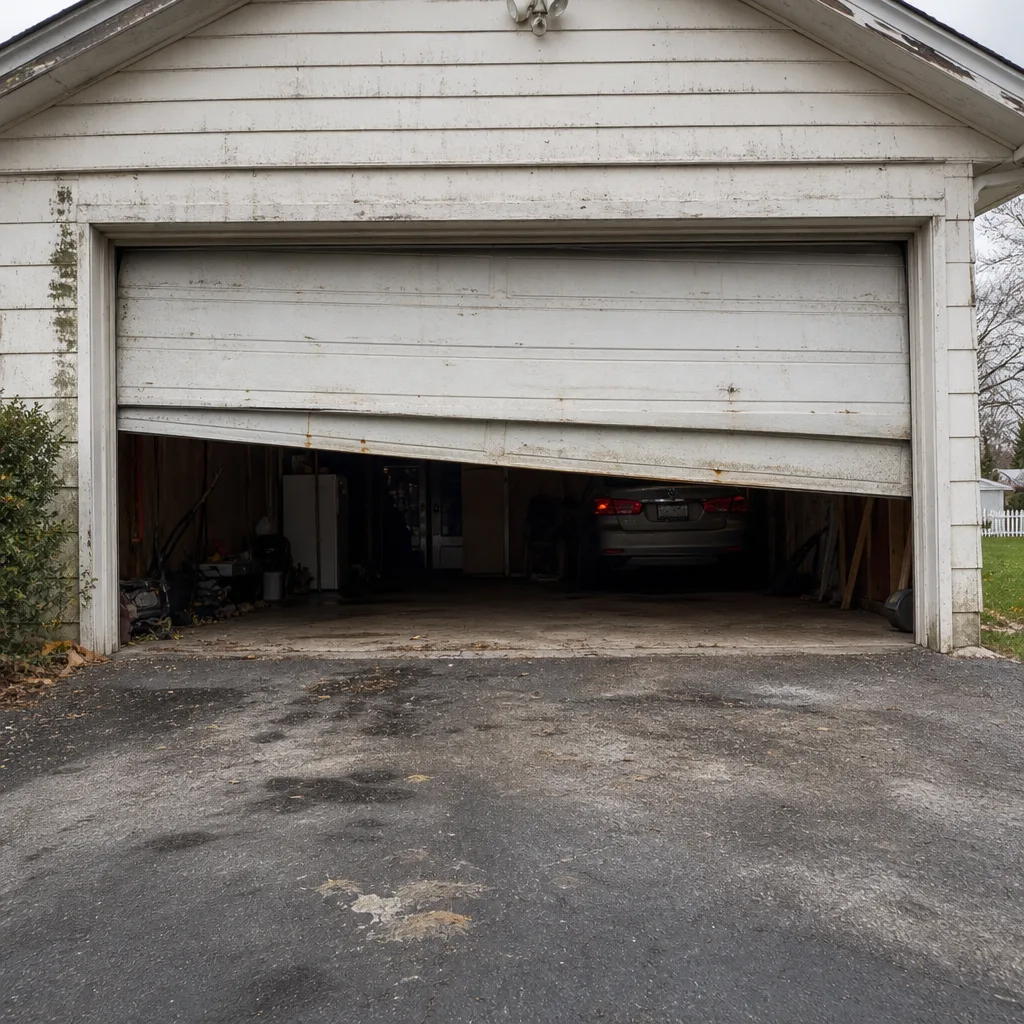 Before
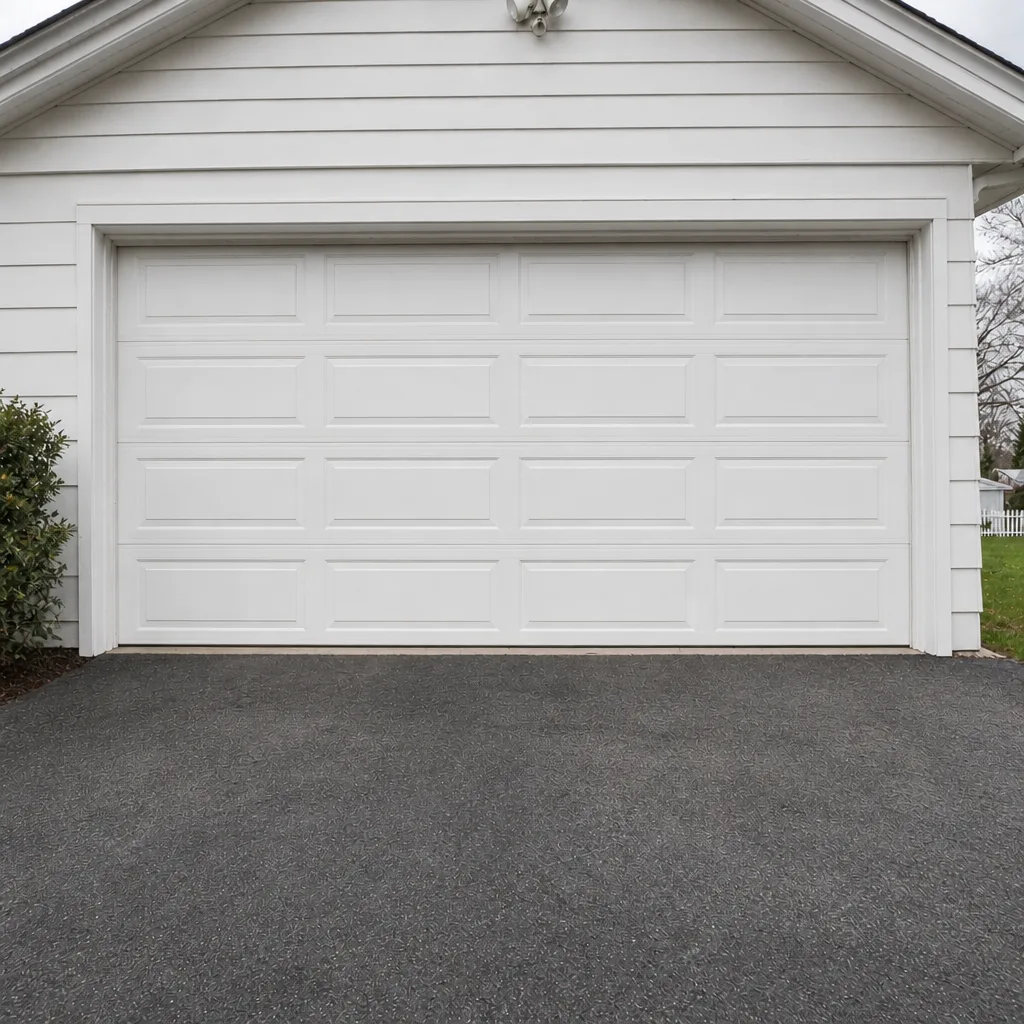 After
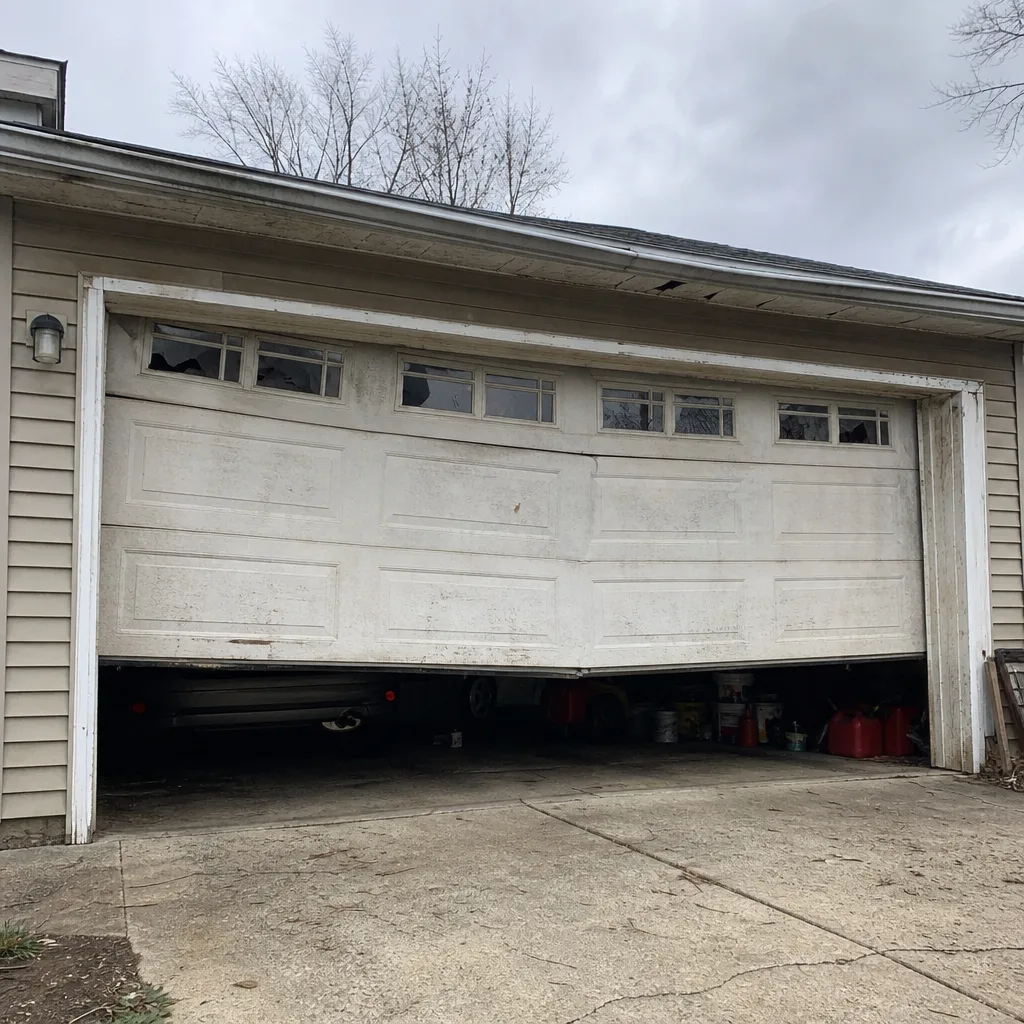 Before
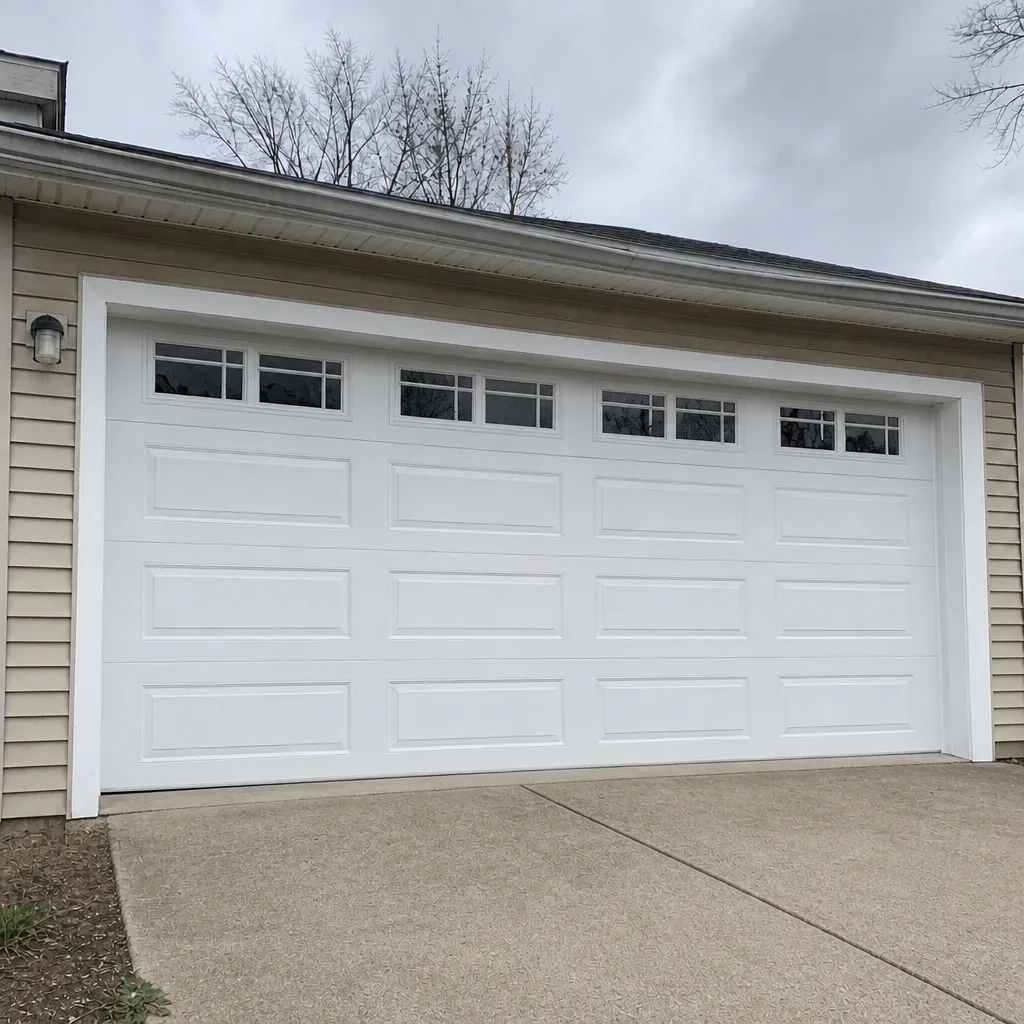 After
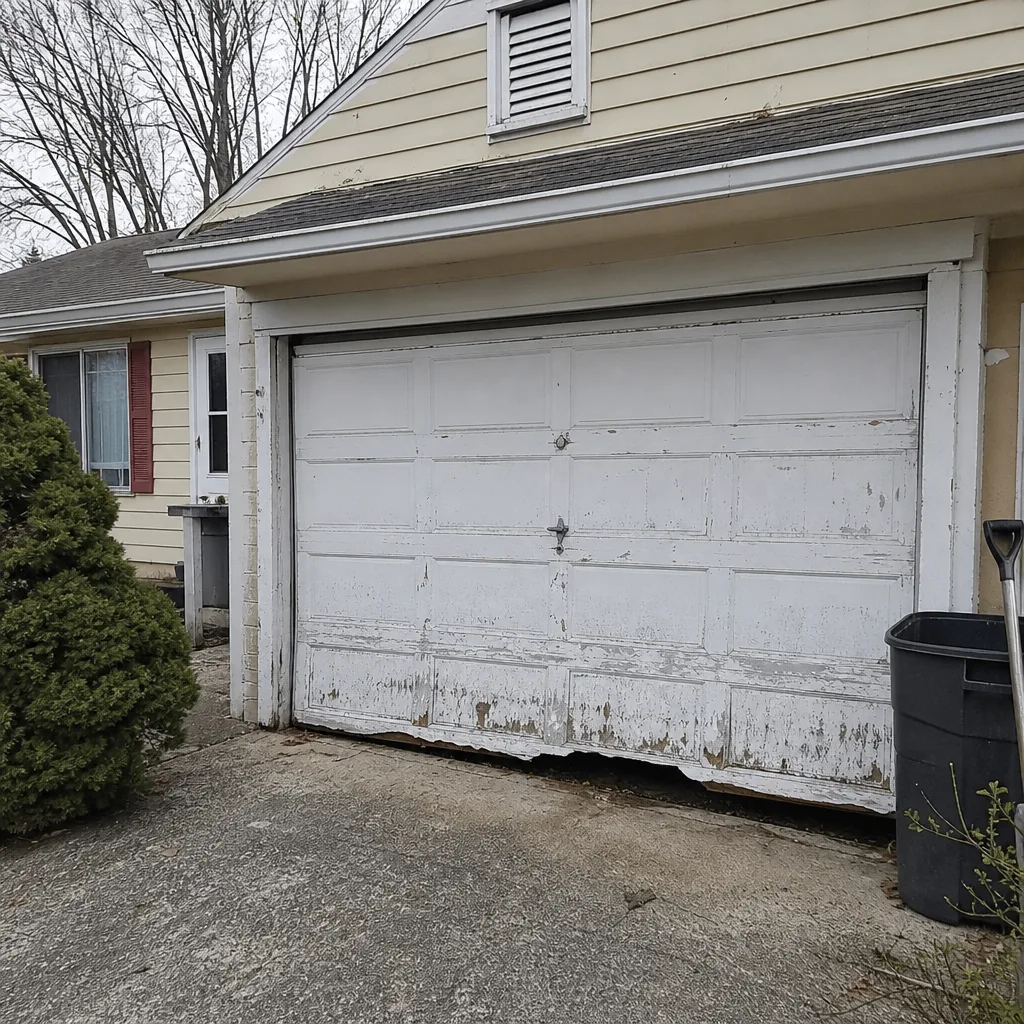 Before
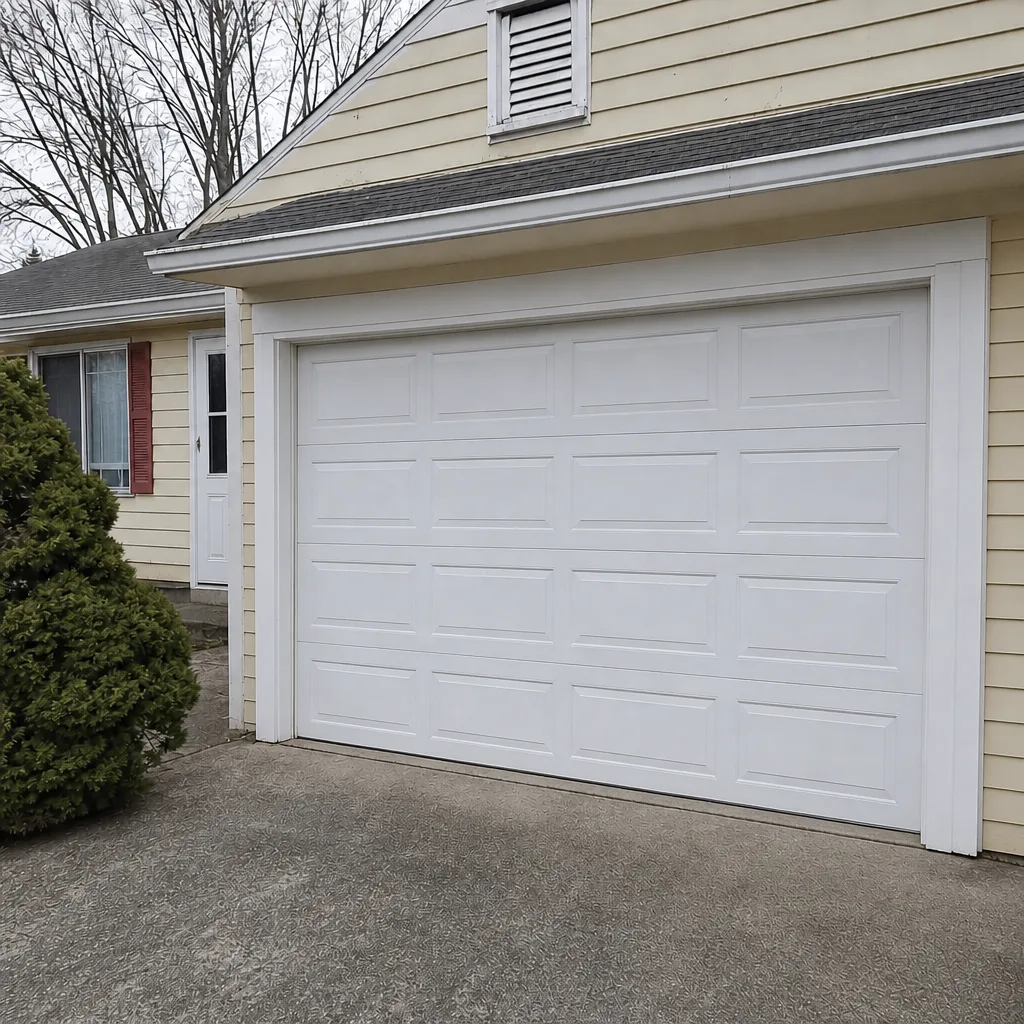 After
When to Call a Professional
Some tasks are on the homeowner – lubrication, seal inspection, confirming the safety reverse. Others are not. Call a professional when the door won’t go up or down, when you hear a bang from the garage and the door loses tension, when a panel is bent or separated at the hinge, when the opener travels erratically or stops partway, or when the door has come off its track. Spring work in particular should never be attempted by a homeowner; the geometry of stored energy means a mistake can cause serious injury. If you’re unsure whether a noise is normal, have it checked – it’s cheaper than the repair after failure. Toms River Garage Door Repair Pros offers free estimates in Toms River – call (855) 726-7559.
Frequently Asked Questions
Spring repair typically runs somewhere in a few-hundred-dollar range per spring depending on the spring type, the number of springs being replaced, and whether cables need attention at the same time. Most doors use a matched pair of springs, and a pair is usually replaced together rather than one at a time, so expect the pair price to be higher than the single-spring price. The written estimate sets the final price before any work starts. Call (855) 726-7559 for an exact quote – estimates are free.
Garage door replacement in Toms River generally requires a permit, though the exact requirement depends on the scope and your specific property. A like-for-like panel swap may follow one process; a change in opening size or structural header typically follows another. Call the Toms River building department before ordering to confirm what applies to your home. Call (855) 726-7559 – estimates are free and we can walk you through what to ask.
Most Toms River doors show spring fatigue somewhere in the five to nine year window, with the exact timing shaped by how close you are to the water, how well the springs have been lubricated, and how often the door runs each day. Homes a few blocks off the water tend to see earlier failures than sheltered inland properties. Call (855) 726-7559 for an inspection – estimates are free.
Noise from a garage door almost always points to a lubrication problem, a worn roller, a loose hinge, or a failing bearing. It’s rarely the opener itself unless the noise is a grinding from the ceiling unit. A technician can isolate it in a few minutes by running the door with the opener disengaged. Ignoring it usually leads to a bigger repair down the line. Call (855) 726-7559 – estimates are free.
Emergency and same-day repair is what we do – a broken spring or a door stuck open isn’t something to leave overnight. Call (855) 726-7559 and describe what’s happening. Same-day work depends on scheduling and the nature of the failure, but the phone call is where you find out. Estimates are free.
No, the price is quoted and agreed before any work starts. The written estimate you receive from the technician is the price you pay, unless you specifically approve additional work during the visit. Any surprises you encounter on a service call should be presented as options, not added to a bill. Call (855) 726-7559 – estimates are free.
The Bottom Line
Toms River is a demanding place for a garage door, and the hardware that lives here pays for it in corroded springs, swelling panels, and wind tests from every nor’easter that pushes through. The good news is that all of it is manageable with a straightforward maintenance rhythm, the right material choices, and a specialist on call who handles nothing but garage doors. Lubricate on schedule, inspect seals every six months, watch the springs after year five, and pull the trigger on replacement around year eighteen. When you need garage door repair for anything that’s past a homeowner job, one call gets a trained technician to your door. Call (855) 726-7559 for a free estimate in Toms River – the price is quoted and agreed before work starts.
Written by the team at Toms River Garage Door Repair Pros.